Sept. 18, 2026

Euphoria Greenville SC 2026: Dates, Events & What to Know

If you want to experience the food, music, creativity, and community that make Greenville, South Carolina, such a popular place to live and visit, Euphoria Greenville SC is one of the city's signature annual events.

Held each September and presented by Lexus, euphoria brings chefs, musicians, winemakers, brewers, distillers, food lovers, and visitors together for several days of dinners, tastings, classes, live entertainment, and special experiences throughout Greenville.

The 2026 euphoria festival takes place September 17–20, 2026, marking the event's 21st year, with nearly 90 events scheduled across the four-day weekend.

For people considering a move to Greenville, events like euphoria offer more than something fun to put on the calendar. They provide a firsthand look at the food scene, entertainment, downtown atmosphere, and community culture that help define life in the Upstate SC.


What Is Euphoria Greenville SC?

Euphoria Greenville SC is an annual four-day food, wine, and music festival held in Greenville, South Carolina.

The festival was founded in 2006 by platinum-selling singer-songwriter Edwin McCain and Greenville restaurateur Carl Sobocinski of Table 301 Restaurant Group, with the goal of showcasing Greenville and bringing people together through food, music, and community.

What started as a small festival has grown into a major annual event featuring culinary experiences, guest-chef dinners, tastings, wine and beverage events, cooking demonstrations, educational classes, and live music.

Today, euphoria describes its experience through three simple ideas:

Eat. Sip. Listen.

Those three elements capture much of what attendees can expect during the festival, but the event also has a significant community-focused mission.

Read next: 5 Can't-Miss Annual Events in Greenville, SC


When Is Euphoria Greenville 2026?

The 2026 euphoria festival runs September 17–20, 2026, in Greenville, SC.

The festival takes place during the third weekend of September each year, making it an annual fall tradition for locals and visitors.

While the main festival weekend is concentrated in September, euphoria also hosts additional events throughout the year, including its Spring Fest (held in April) and other pre-festival dinners and educational experiences.

For anyone searching for things to do in Greenville SC in September, euphoria is one of the events worth knowing about.

Because many individual experiences have limited seating, checking the official festival schedule and planning ahead can be important if you have a particular dinner, class, or tasting in mind.


What Happens During Euphoria?

One of the things that makes euphoria different from a traditional music festival or food festival is the variety of experiences.

Rather than having one central event that everyone attends, euphoria offers a large collection of individual experiences. That allows attendees to build their own weekend around the things they enjoy most.

Depending on the year, experiences can include:

  • Guest-chef dinners
  • Food and beverage tastings
  • Cooking demonstrations
  • Culinary classes
  • Wine experiences
  • Cocktail and spirits events
  • Live music
  • Chef collaborations
  • Educational sessions
  • Large outdoor tasting events
  • Intimate dining experiences


The Food: One of Euphoria's Biggest Attractions

Food is at the center of euphoria.

Throughout the festival, attendees have opportunities to experience Greenville chefs alongside culinary talent from outside the Upstate, including Michelin-recognized names in recent years. Some events focus on multi-course dinners, while others allow guests to sample dishes from multiple chefs and food professionals in a single setting.

One example from the 2026 schedule is Feast by the Field, euphoria's largest tasting event. Held at Fluor Field, the event brings together chefs, winemakers, brewers, and distillers for an afternoon of food, drinks, demonstrations, and live music.

Party in the Park, held Friday night of festival weekend, is another signature Fluor Field event — transforming the ballpark into an evening of bites from regional chefs, cocktails, regional brews, and curated wines under the downtown Greenville skyline.

That variety is part of what makes euphoria interesting for both serious food enthusiasts and people who simply enjoy trying something new.


Euphoria and Greenville's Growing Food Scene

The festival also reflects something larger about Greenville: the city's growing culinary identity.

From downtown Greenville restaurants to neighborhood restaurants throughout the Upstate, the local food scene has become an important part of the area's lifestyle.

If you're researching living in Greenville SC, food and dining are worth considering alongside housing, schools, parks, employment, and entertainment.

Related guide: Savoring the Upstate: A Culinary Tour of Greenville & Upstate SC's Best Restaurants


Wine, Cocktails, Beer and Other Drinks

The "sip" portion of euphoria brings its own collection of experiences.

Wine lovers can find tastings and wine-focused events, while other experiences highlight cocktails, beer, spirits, and beverage pairings.

Some events are designed around the beverage itself, while others incorporate wine, beer, or cocktails into a larger culinary experience. For people who enjoy learning about what they're drinking, euphoria also offers opportunities to interact with beverage professionals and learn more about wine, spirits, cocktails, and food pairings.


Music Is Part of the Euphoria Experience

Music is the third part of euphoria's signature "eat, sip, listen" identity.

Live music can be incorporated into festival experiences ranging from large gatherings, like Party in the Park and Feast by the Field, to more intimate dinners and tastings. This combination reflects something visitors often notice about Greenville: entertainment isn't limited to one type of experience. Food, music, art, outdoor recreation, festivals, and community events frequently overlap.


2026 Euphoria Highlights

Because euphoria includes so many individual events, there isn't one single way to experience the festival. Some people may prefer an elaborate guest-chef dinner. Others may want an afternoon tasting event, a cooking class, a wine experience, or live music.

A few of the signature 2026 experiences:

Party in the Park

Held Friday evening at Fluor Field, Party in the Park turns the ballpark into one of Greenville's biggest outdoor parties, with bites from regional chefs, cocktails, regional brews, and curated wines, all set against the downtown Greenville skyline.

Feast by the Field

Euphoria's largest tasting event, held Saturday at Fluor Field. Guests sample dishes from a wide lineup of chefs and culinary personalities alongside offerings from winemakers, brewers, and distillers, plus live cooking demonstrations and music.

Guest-Chef Dinners

Guest-chef collaborations remain a core part of euphoria, giving attendees the opportunity to experience special menus created by culinary talent from Greenville and beyond.

The full schedule changes from year to year, so anyone planning to attend should check the official euphoria schedule for the current lineup, ticket information, times, and locations before finalizing plans.


Euphoria Is More Than a Food Festival

One of the most important parts of euphoria is its connection to the Greenville community.

Euphoria is presented by Local Boys Do Good, a nonprofit organization. Proceeds are distributed through grants to Upstate charitable organizations — in 2026, the festival in April distributed $105,000 among seven nonprofit partners at its Community Kickoff Concert.

The festival's current mission focuses on several areas, including providing sustenance to people in need, supporting education through music and performing arts, helping children, and providing assistance to people working in the food and beverage industry.

That community component is an important distinction. Attending euphoria isn't simply about enjoying a dinner, tasting, concert, or class. The festival is also designed to put resources back into the community that hosts it.


Euphoria's Impact on Greenville's Hospitality Community

The festival's connection to Greenville's hospitality industry extends beyond the September weekend.

Euphoria supports initiatives that help people working in the food and beverage industry, including mental health support and emergency assistance for hospitality professionals facing unexpected hardships.

The organization also supports aspiring restaurateurs through programs designed to provide education, mentoring, and resources. One example is HONE, a Greenville restaurant incubator designed to help aspiring and current restaurateurs develop their skills and businesses.

These programs demonstrate how the festival's impact extends beyond the people attending its events.


Why Euphoria Is Worth Experiencing If You're Visiting Greenville

If you're visiting Greenville for the first time, euphoria can be a convenient way to experience several aspects of the city during one weekend.

You can explore restaurants and local food, experience live entertainment, spend time downtown, visit attractions, and interact with people who live and work in the community. Between events, visitors can explore places such as Falls Park on the Reedy, Main Street, the Swamp Rabbit Trail, local shops, galleries, breweries, and restaurants.

For a broader introduction to the city after arriving, see:

Read next: Things to Do in Greenville SC After You Move: A New Resident's Guide to Exploring the Greater Greenville SC Area


What Is It Like to Live in a City With Events Like Euphoria?

For people researching moving to Greenville SC, annual events are one part of the lifestyle equation.

A city can look very different when you're visiting for a weekend compared with living there year-round. The advantage of Greenville is that events like euphoria are only one piece of a larger calendar that includes concerts, festivals, food events, outdoor activities, sporting events, community gatherings, and seasonal celebrations.

That means residents have opportunities to experience the city throughout the year rather than only during one major festival.

At the same time, prospective residents should consider what type of lifestyle they actually want. Someone who enjoys being close to restaurants, entertainment, and events may prefer living near downtown. Someone looking for more space, a quieter setting, or a shorter drive to a particular workplace may prefer one of the surrounding communities.

Related guide: What to Look for in a Neighborhood Before Buying a Home


Planning Your Euphoria Greenville SC Visit

If you're planning to attend euphoria, start by deciding what kind of experience you want: an intimate dinner, a large tasting event, a cooking class, a wine or cocktail experience, live music, or a combination.

Buy Tickets Early

Some euphoria experiences have limited seating and can sell out. If there's a specific dinner or class you want to attend, don't wait until the last minute to check availability.

Check Individual Event Details

Every event can have different details regarding age requirements, attire, seating, dietary restrictions, location, and ticket policies. Read the information for your specific event before attending.

Plan Transportation and Consider Staying Downtown

Because events take place at different locations around Greenville, allow enough time between experiences if you're attending more than one in a day. Visitors coming from outside the area may want to consider staying near downtown, and should book early since hotel availability can become more limited around major events.

Explore Beyond the Festival

Don't spend the entire weekend inside festival events. Walk along Main Street, visit Falls Park, explore local restaurants, enjoy the outdoors, or check out some of the city's other attractions. That's one of the advantages of attending euphoria: the festival can become a starting point for discovering the city.


Is Euphoria Greenville Worth Attending?

For people who enjoy food, music, beverages, and community events, euphoria offers a broad range of experiences rather than one traditional festival format.

Its combination of guest chefs, local culinary talent, wine and beverage events, classes, live music, and community involvement makes it distinctly connected to Greenville. For visitors, it can be a fun introduction to the city. For locals, it has become an annual tradition. And for people considering a move to the Upstate, it can provide a glimpse into the lifestyle and community experiences available in Greenville throughout the year.


Euphoria Greenville SC FAQs

When is Euphoria Greenville 2026?

Euphoria Greenville 2026 takes place September 17–20, 2026, in Greenville, South Carolina.

What is Euphoria Greenville?

Euphoria is an annual four-day food, wine, and music festival featuring dinners, tastings, cooking classes, beverage experiences, live music, and other culinary and entertainment events.

Where does Euphoria take place?

Most euphoria events take place at venues throughout downtown Greenville, with several signature 2026 events held at Fluor Field.

What kind of events are part of Euphoria?

Euphoria includes guest-chef dinners, tasting events, cooking classes, wine and beverage experiences, live music, educational sessions, and other culinary events.

Is Euphoria Greenville a nonprofit?

Euphoria is presented by Local Boys Do Good, a 501(c)(3) nonprofit organization. Proceeds are distributed through grants supporting qualifying Upstate charitable initiatives — in 2026, the festival distributed $105,000 among seven nonprofit partners.

Is Euphoria only for foodies?

No. Although food is a major part of the festival, euphoria also features music, beverages, educational experiences, entertainment, and community-focused events.

Does Euphoria happen every year?

Yes. Euphoria is an annual event held during the third weekend of September.

What else can I do in Greenville during Euphoria?

Visitors can explore downtown Greenville, Falls Park on the Reedy, Main Street, the Swamp Rabbit Trail, local restaurants, shops, breweries, arts venues, and other attractions.


Experience Greenville Beyond Euphoria

Euphoria may only last for a few days, but the lifestyle it represents is available throughout the year.

Greenville offers a combination of restaurants, outdoor recreation, arts, entertainment, community events, and neighborhoods ranging from downtown living to suburban and more rural settings throughout the Upstate.

For people considering a move, the bigger question isn't simply whether Greenville has things to do. It's whether the area's lifestyle fits the way you want to live.

Our team helps buyers understand not only the homes available in Greater Greenville, but also the neighborhoods, communities, commute considerations, and lifestyle factors that can influence a move.

For a broader look at relocating to the area, see our complete Greenville relocation guide.

If you're considering relocating to Greenville or another part of Upstate South Carolina, call us at 864-438-5050 or schedule a consultation, or check out our FREE relocation guide. We're happy to help you explore the area and find a home that fits the way you want to live.


Receive Cash Offer on Your House ​Today!

Did you know that we have a cash offer platform? It's your gateway to ​make your home selling process ​convenient, providing you with opportunities. Don't miss out on the potential it offers – explore our cash offer platform today! ​Click here to request a cash offer for your home.



Sept. 14, 2026

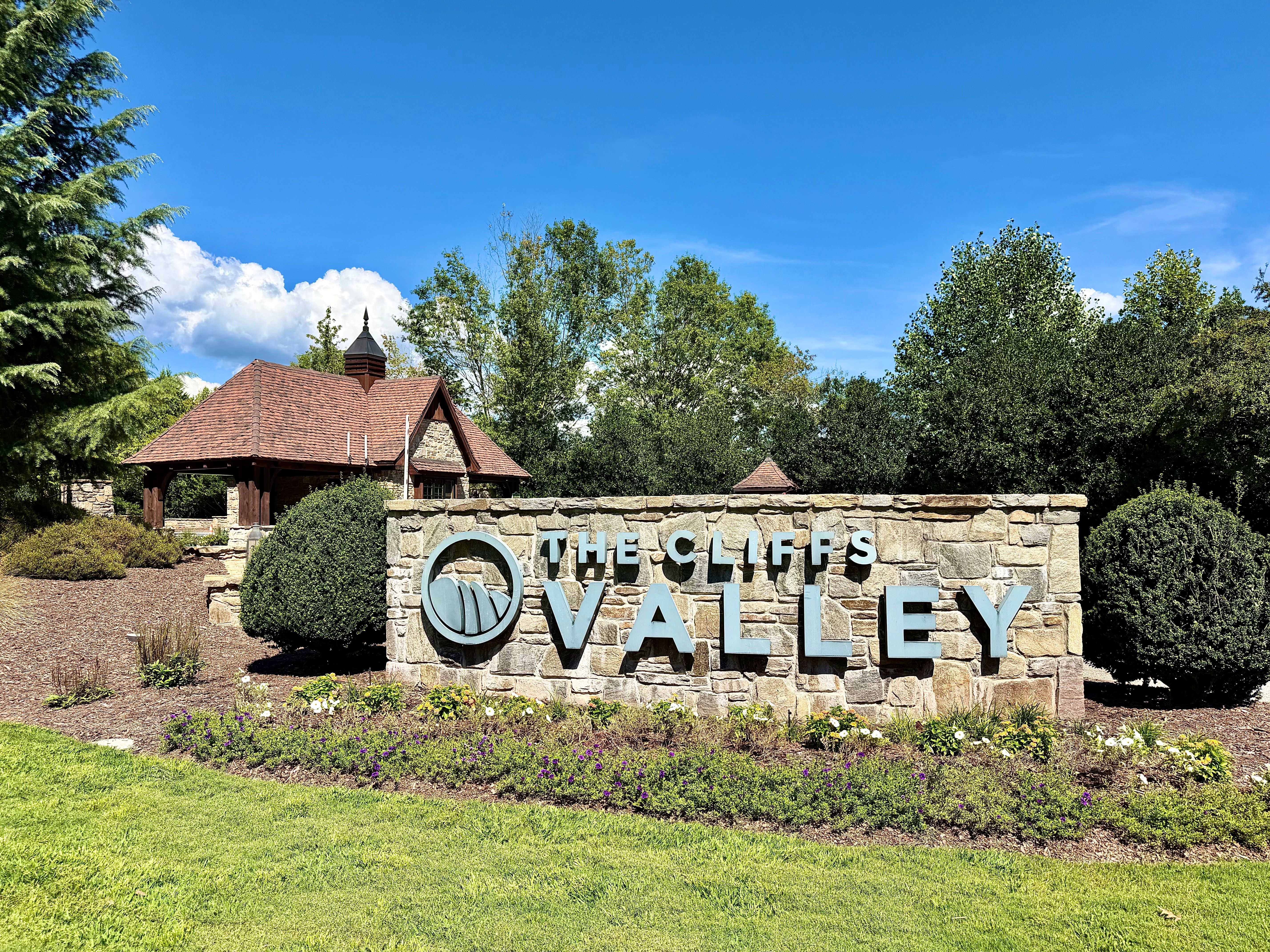
4.76 Acres in Cliffs Valley: A Mountain Homesite in Travelers Rest SC | 1424 Panther Park Trail 29690

For buyers searching for land for sale in Upstate South Carolina, finding the right property often comes down to more than just acreage. Privacy, views, topography, location, and the surrounding community can all play an important role.

This 4.76-acre homesite in Cliffs Valley offers an opportunity for buyers looking to build a custom mountain home while remaining within convenient driving distance of Greenville, Downtown Greenville, and Asheville, North Carolina.


View Additional Details & Pictures Here


A Private 4.76-Acre Mountain Homesite

This oversized homesite sits within the gated Cliffs Valley community and wraps around both Panther Mountain Road and Panther Park Trail, giving the property the feel of a private corner estate lot.

Mature hardwoods border the property, creating a natural buffer from the surrounding roads. The wooded setting could allow a future homeowner to position a custom home for increased privacy while still maintaining convenient access.

For buyers searching for large lots near Greenville SC, having 4.76 acres provides significantly more space and flexibility than a typical residential homesite.


Multiple Potential Building Sites and Mountain Views

One of the property's standout characteristics is its natural elevation change.

The varying terrain creates multiple potential areas for a future home, with several locations offering the possibility of long-range mountain views. The topography could also lend itself well to different architectural approaches.

For example, buyers envisioning a mountain-style home with a walkout basement or a home designed to step naturally down the hillside may find the property's terrain particularly appealing.

As with any undeveloped property, buyers should conduct appropriate due diligence regarding building sites, grading, utilities, access, and construction requirements before purchasing.


What Is Cliffs Valley Like?

Cliffs Valley is a gated community within The Cliffs network, situated in the Blue Ridge foothills of Upstate South Carolina.

The community is built around outdoor recreation, wellness, and a championship golf course incorporated into the surrounding natural landscape. Its setting can appeal to buyers who want a quieter mountain lifestyle without giving up access to nearby cities and amenities.

One important consideration for prospective buyers is that Cliffs Club membership is separate from land ownership and is not included with this property.

Anyone interested in club access should verify current membership eligibility, dues, initiation requirements, and other terms directly with The Cliffs before closing.


View Additional Details & Pictures Here


Convenient Access to Greenville and Asheville

The location is another significant advantage of this Cliffs Valley homesite.

Downtown Greenville SC, is within driving distance, giving future homeowners access to a growing collection of restaurants, breweries, shops, entertainment, and outdoor attractions. Popular destinations such as Falls Park and the Swamp Rabbit Trail add to the area's appeal.

The property is also close to Henderson County, North Carolina, while Asheville is approximately 40 minutes away. This provides access to another major destination known for its restaurants, arts, culture, and outdoor recreation.

The result is a location that combines the privacy of mountain acreage with relatively convenient access to two thriving regional destinations.


Mountain Homesite Worth Exploring

For buyers looking for mountain land near Greenville SC, this 4.76-acre Cliffs Valley property offers several characteristics that can be difficult to find together: substantial acreage, privacy, natural elevation, potential mountain views, and a gated community setting.

The property could be an appealing option for someone who has been searching for a place to build a custom mountain home in the Upstate South Carolina area.

Buyers interested in this Cliffs Valley homesite can work with a local real estate professional to evaluate the property, understand the surrounding market, and determine whether the land fits their building plans and long-term goals.

For those searching for Cliffs Valley land for sale, this 4.76-acre homesite is certainly one worth putting on the list.

Call us today at 864-438-5050 to book your private showing. Don’t miss your chance to make this incredible lot yours.


View Additional Details & Pictures Here


WALKTHROUGH VIDEO TOUR OF 1424 PANTHER PARK TRAIL TRAVELERS REST SC


Receive Cash Offer on Your House ​Today!

Did you know that we have a cash offer platform? It's your gateway to ​make your home selling process ​convenient, providing you with opportunities. Don't miss out on the potential it offers – explore our cash offer platform today! ​Click here to request a cash offer for your home.

Sept. 4, 2026

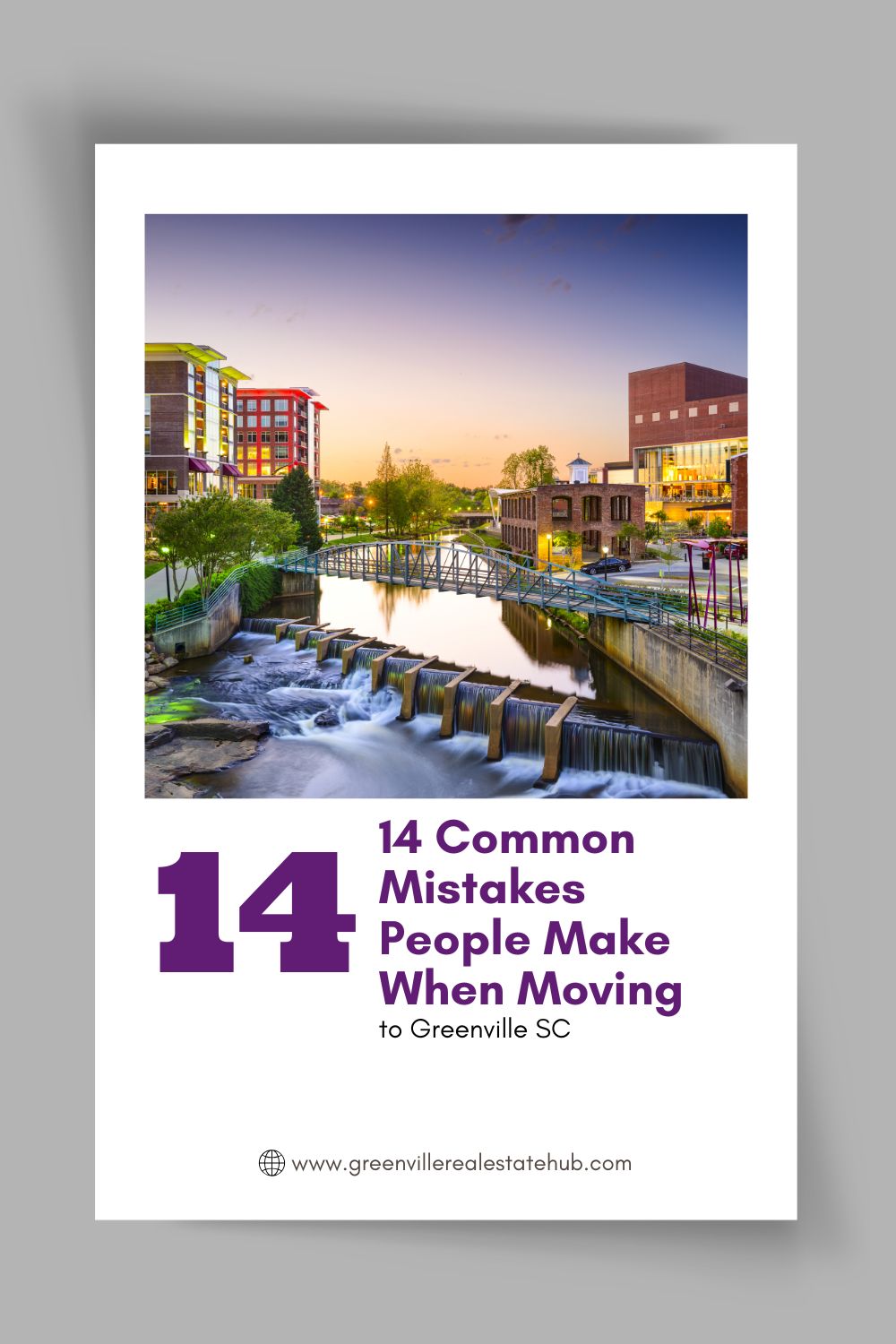
14 Common Mistakes People Make When Moving to Greenville SC

Moving to Greenville SC can be an exciting opportunity. The Upstate offers a mix of city living, suburban communities, outdoor recreation, growing employment opportunities, and a wide range of housing options.

But moving to Greenville is not as simple as picking a house from an online listing and scheduling the moving truck.

One of the biggest challenges for people relocating to Greenville is understanding how different parts of the area can feel from one another. A home that looks perfect online may not be the best fit once you consider your commute, neighborhood, schools, daily errands, future development, and lifestyle.

Whether you're moving to Greenville from another state, another part of South Carolina, or somewhere else in the Upstate, knowing the common mistakes people make when moving to Greenville SC can help you make a more informed decision.

Here are some of the biggest mistakes to avoid before you make your move.


1. Assuming All of Greenville Is the Same

One of the first mistakes people make when moving to Greenville SC is treating the entire area as one market.

Greenville is much more than downtown Greenville.

The broader Greater Greenville area includes a variety of communities, suburbs, municipalities, and unincorporated areas. Depending on where you live, your experience can be very different in terms of commute, housing styles, lot sizes, amenities, schools, shopping, restaurants, and access to major roads.

For example, someone who wants a walkable lifestyle close to downtown may have very different priorities from a buyer looking for a larger lot, newer construction, or more space in a suburban community.

Popular areas around Greater Greenville can include Greenville, Greer, Simpsonville, Mauldin, Travelers Rest, Taylors, Easley, Fountain Inn, Powdersville, and other surrounding communities.

The right choice depends on what you want your everyday life to look like.

Instead of asking, "What is the best area in Greenville?" a better question is:

"Which area of Greater Greenville best fits my lifestyle, budget, commute, and long-term plans?"

That distinction can save you a lot of time and frustration.


2. Choosing a Home Before Understanding the Neighborhood

Another common mistake is falling in love with a house before researching the area around it.

A beautiful kitchen, large backyard, new flooring, or impressive primary suite can make a home feel like the obvious choice. But you aren't just buying the house.

You're also choosing a location — and a house can be renovated far more easily than a neighborhood can be changed.

Before making an offer, consider:

  • How long will your commute actually take?
  • What roads will you use every day?
  • Are grocery stores and other essentials nearby?
  • What is the neighborhood like during weekdays and weekends?
  • Are there HOA restrictions?
  • Are there planned developments nearby?
  • How does the neighborhood fit your lifestyle?
  • What schools serve the address?
  • What might the area look like several years from now?

Greenville County maintains community, area, and corridor plans that can provide useful information about land use and future planning. For example, the county has adopted plans covering areas including Five Forks, Piedmont, Taylors, South Greenville, and other parts of the county.

That doesn't mean every planned project will happen exactly as proposed. It does mean that buyers should look beyond the current view from the front porch.

Beyond the immediate purchase, think about what you want long-term. Do you want a larger yard? More established trees? Walking or biking access? Nearby parks? A particular school assignment? A neighborhood with amenities? Less driving for everyday errands?

There is no universally "best" Greenville neighborhood. There is only the neighborhood that best fits your priorities.

If you're still figuring out what to look for, our guide on how to choose the right neighborhood when buying a home can help you evaluate the location beyond the house itself.


3. Underestimating Your Commute

This is one of the most important mistakes to avoid when relocating to Greenville SC.

A neighborhood may look close to your workplace on a map, but distance doesn't always tell the whole story.

The Greenville area continues to grow. Recent Census Bureau estimates put the city's population in the mid-70,000s, up significantly from just over 60,000 in 2010 — and the broader Greater Greenville area is growing even faster as new residents settle in surrounding communities.

As more people live, work, and travel throughout the region, the time it takes to get from one part of the Upstate to another can become an important part of your daily routine.

That's why you shouldn't evaluate a commute based solely on a weekend drive.

If you're relocating for work, try to understand what your drive could look like during your normal work schedule.

Think about:

  • Where will you work?
  • What time will you leave home?
  • What time will you return?
  • How often will you travel to downtown Greenville or other parts of the Upstate?
  • Will you need convenient access to I-85, I-385, I-26, or other major routes?

A home that saves you $20,000 may not feel like a bargain if it adds significant time to your daily commute.


4. Only Visiting on the Weekend

If you're relocating from out of state, you may only have a day or two to explore Greenville before deciding where you want to live.

That creates another potential mistake: judging an area based entirely on a weekend visit.

A neighborhood can feel completely different on a Saturday afternoon than it does on a weekday morning.

If possible, visit neighborhoods at different times of day.

Drive through during a weekday morning. Visit again in the afternoon. Look around on a weekend.

Pay attention to traffic, noise, parking, nearby businesses, school traffic, construction activity, and how easy it feels to get where you need to go.

If you can't visit multiple times because you're relocating from a distance, this is where working with someone who understands the local area can be particularly helpful.


5. Not Researching School Assignments Carefully

Families moving to Greenville often make the mistake of looking at a home's location and assuming they already know which school their children will attend.

School assignments can be address-specific, so it's important to verify the current assignment for the property you're considering.

Greenville County Schools provides an official Find Your School tool that allows families to search school assignments by address or subdivision.

Greenville County Schools is also a large and diverse district, serving tens of thousands of students and offering traditional schools as well as specialized programs, career and technology opportunities, magnet programs, and other educational options.

If schools are an important factor in your move, don't simply rely on a real estate listing description or an online map. Research the actual address.

And remember that school considerations can be more complicated than simply looking at a rating. Families may also want to consider programs, transportation, extracurricular activities, school choice options, and the overall fit for their children.

For more information, our Greenville County school district guide goes into more detail.


6. Assuming New Construction Is Always the Better Choice

New construction is one of the reasons many people are attracted to the Greenville area.

New homes can offer modern floor plans, energy-efficient features, updated finishes, warranties, and community amenities. But new construction isn't automatically the right choice for every buyer.

A newer home farther from your preferred location may not make sense if your priority is a shorter commute.

You also need to consider lot sizes, HOA fees, neighborhood density, construction timelines, included features, upgrades, builder incentives, and the surrounding area's development.

On the other hand, an older resale home may offer a more established neighborhood, mature landscaping, larger lots, or a location closer to existing amenities.

The right answer depends on your priorities.

If you're comparing the two, our guide to new construction vs. resale homes in Greenville SC can help you understand the trade-offs.


7. Waiting Too Long to Get Pre-Approved

Another mistake relocating buyers make is starting the home search before understanding their financing options.

It's easy to browse listings online and develop an idea of what you want to spend. But your online search range isn't necessarily the same as your comfortable monthly budget.

Getting pre-approved early can help you understand your purchasing power and make your search more focused. It can also help you move quickly when you find the right property.

This is particularly important if you're relocating from another state and don't have an established local real estate network yet.

Before touring dozens of homes, talk with a qualified lender about your financing options, monthly payment expectations, cash requirements, and potential closing costs.

And don't confuse pre-qualification with pre-approval. They can serve different purposes during the home-buying process.


8. Looking Only at the Purchase Price

A home priced at $400,000 doesn't necessarily cost $400,000 to own. One of the most common relocation mistakes is budgeting only for the purchase price.

Homeownership can include expenses such as:

  • Mortgage payment
  • Homeowners insurance
  • HOA fees
  • Utilities
  • Maintenance
  • Repairs
  • Landscaping
  • Closing costs
  • Moving expenses
  • Furniture and household purchases

If you're purchasing new construction, you may also have costs associated with upgrades, window treatments, fencing, landscaping, or other items that aren't included in the base price.

Before choosing a home, think about the total cost of living in the property, not just the list price. Your goal shouldn't be to buy the most expensive home you technically qualify for. Your goal should be to find a home that fits comfortably within your overall financial plan.


9. Ignoring Future Development

Greenville and the surrounding Upstate are growing, which makes future development an important consideration for buyers. The mistake isn't buying in an area where development is happening. The mistake is buying without understanding what may be planned around you.

A vacant parcel beside your future neighborhood may eventually become another residential development, commercial property, road improvement, or other type of project. That could be positive, negative, or simply different from what you expected.

Greenville County's planning department specifically works on managed growth, land-use planning, transportation planning, zoning, and development proposals. Before buying, ask questions about surrounding undeveloped land and proposed projects.

If you love a home because of its current view, for example, make sure you understand whether that view is likely to remain.


10. Assuming the Cheapest Home Is the Best Value

Price matters. But the lowest purchase price doesn't automatically mean the best value.

Imagine two homes with a $30,000 difference. The less expensive home might have a longer commute, require significant updates, have higher ongoing maintenance costs, or be farther from the places you visit regularly.

The more expensive home might provide a location that better fits your lifestyle and requires fewer immediate improvements.

That doesn't mean you should always spend more. It means you should compare the whole picture.

When evaluating homes in Greater Greenville, consider price alongside location, condition, neighborhood, commute, amenities, future plans, and your long-term goals.

The best value is the home that gives you the right combination of these factors — not necessarily the home with the lowest number on the listing.


11. Trying to Time the Market Perfectly

Relocating buyers sometimes spend too much time trying to figure out whether they should buy this month, next month, or six months from now.

Real estate markets change, and there can be good reasons to monitor market conditions.

But if you're moving because of a new job, family change, retirement, or another life event, your timeline may matter more than trying to predict the exact bottom or top of the market.

Instead of asking:

"Is this the perfect time to buy?"

consider asking:

"Does this home make sense for my finances, lifestyle, and timeline?"

A strong strategy involves understanding current market conditions, negotiating intelligently, and making decisions based on your individual circumstances.


12. Trying to Do Everything From Out of State

Relocating to Greenville can be challenging when you're hundreds or thousands of miles away.
You may be trying to research neighborhoods, schools, homes, builders, lenders, inspections, moving companies, and local amenities — all while managing your existing home and preparing for a move.

Technology makes long-distance home buying much easier, but local guidance still matters.

A local real estate professional can help you understand differences between communities, narrow your search, coordinate virtual or in-person tours, identify potential concerns, and help you navigate negotiations.

The goal isn't to replace your own research. It's to combine your research with local knowledge.

Not sure where to start? Schedule a call with our team or call us at 864-438-5050, and we'll walk you through the Greater Greenville communities that best match your budget, commute, and lifestyle before you spend hours searching listings on your own.


13. Trying to Find the "Perfect" Greenville Neighborhood

Another common mistake is searching endlessly for the perfect neighborhood.

Every location has trade-offs. One community may offer a shorter commute but smaller homes. Another may offer larger lots but require more driving. Another may have newer construction but less established landscaping. Another may put you closer to downtown but come with a higher price point. Instead of searching for perfection, identify your top priorities.

For example:

  • Priority #1: Commute
  • Priority #2: Budget
  • Priority #3: Schools
  • Priority #4: Home size
  • Priority #5: Lifestyle

Once you've identified your priorities, you can compare communities based on what actually matters to you.


14. Not Giving Yourself Enough Time

Relocating is a major life change. Trying to rush the process can lead to emotional decisions.

If you have the flexibility, give yourself enough time to research neighborhoods, understand your financing, visit homes, compare communities, and learn how the local market works.

At the same time, don't let research become paralysis.

The goal is to become informed enough to make a confident decision — not to know every single thing about every neighborhood in the Upstate.


How to Avoid These Common Mistakes When Moving to Greenville SC

The easiest way to avoid relocation mistakes is to build your home search around your actual life.

Start by identifying your budget. Then determine where you need to work and how much commuting you're comfortable with.

Think about schools if you have children.

Decide whether you prefer new construction or an established home.

Determine how much space you need.

Identify the amenities and lifestyle features that matter most.

Then compare communities based on those priorities.

If you're relocating from outside the Greenville area, start with our complete Moving to Greenville SC relocation guide  for a broader look at the area.

You can also read our guide on buying a home when relocating to Greenville SC  for more information about the home-buying side of your move.


Frequently Asked Questions About Moving to Greenville SC

What is the biggest mistake people make when moving to Greenville SC?

One of the biggest mistakes is assuming the entire Greenville area is essentially the same. Greater Greenville includes many different communities, and the right location depends on your commute, budget, schools, lifestyle, housing preferences, and long-term plans.

Is Greenville SC a good place to move?

Greenville can be an attractive place to live for people looking for a growing Upstate community with a mix of urban amenities, suburban neighborhoods, outdoor recreation, restaurants, employment opportunities, and different housing options. The best fit depends on what you're looking for in a community.

Should I live in Greenville or one of the surrounding suburbs?

There isn't one correct answer. Downtown and more central areas may appeal to people who prioritize proximity to restaurants, entertainment, and urban amenities. Surrounding communities may appeal to buyers looking for different housing options, more space, or a particular commute.

The best choice depends on your priorities.

How far should I live from work in Greenville SC?

That depends on your schedule and tolerance for commuting. Rather than choosing a home based strictly on mileage, consider the actual route, traffic patterns, work hours, and how often you need to make the trip.

Should I rent before buying when moving to Greenville SC?

Renting first can make sense for some relocating households, especially if you aren't familiar with the area and don't have enough information to confidently choose a neighborhood. However, buying may make more sense for buyers who have a clear timeline, stable finances, and a good understanding of where they want to live.

What should I research before buying a home in Greenville SC?

At minimum, research the home's location, neighborhood, commute, schools if applicable, HOA, property condition, surrounding development, nearby amenities, and total cost of ownership.

Is new construction a good option for people moving to Greenville SC?

New construction can be a great option, but it isn't automatically the best choice. Buyers should compare the location, builder, included features, upgrades, incentives, HOA, lot, construction timeline, and surrounding community against comparable resale homes.

Do I need a local real estate agent when moving to Greenville SC?

You can research a great deal online, but a local real estate professional can provide valuable insight into neighborhoods, market conditions, new construction, negotiations, and local considerations that may not be obvious from listing websites.


Final Thoughts: Make Your Greenville Move With Confidence

Moving to Greenville SC can be an exciting new chapter, but choosing where and how to live here deserves more thought than simply finding a house you like online.

The biggest mistakes usually happen when buyers move too quickly, focus only on the house, underestimate the importance of location, or make decisions without understanding the broader Greater Greenville area.

Take the time to understand your priorities.

Research the communities.

Consider your commute.

Verify school information.

Look beyond the current appearance of a neighborhood.

Understand your complete budget.

And when you're ready to start looking, surround yourself with people who understand the local market.

At PRODUCER Realty, we help buyers navigate Greater Greenville Upstate SC with local knowledge, experience, and a focus on making smart real estate decisions — not just finding a house.

If you're considering a move to Greenville SC and want to talk through your options, call us at 864-438-5050 or schedule a call to discuss your goals.

Your move doesn't have to be overwhelming. With the right information and the right strategy, you can make your transition to Greenville with much more confidence.

Want all of this in one place before you start your search? Download our free Greenville SC Relocation Guide for a complete breakdown of everything you need to plan your move with confidence. It's free, there's no obligation, and it's built specifically for people relocating to Greater Greenville Upstate SC.

Receive Cash Offer on Your House ​Today!

Did you know that we have a cash offer platform? It's your gateway to ​make your home selling process ​convenient, providing you with opportunities. Don't miss out on the potential it offers – explore our cash offer platform today! ​Click here to request a cash offer for your home.


Aug. 28, 2026

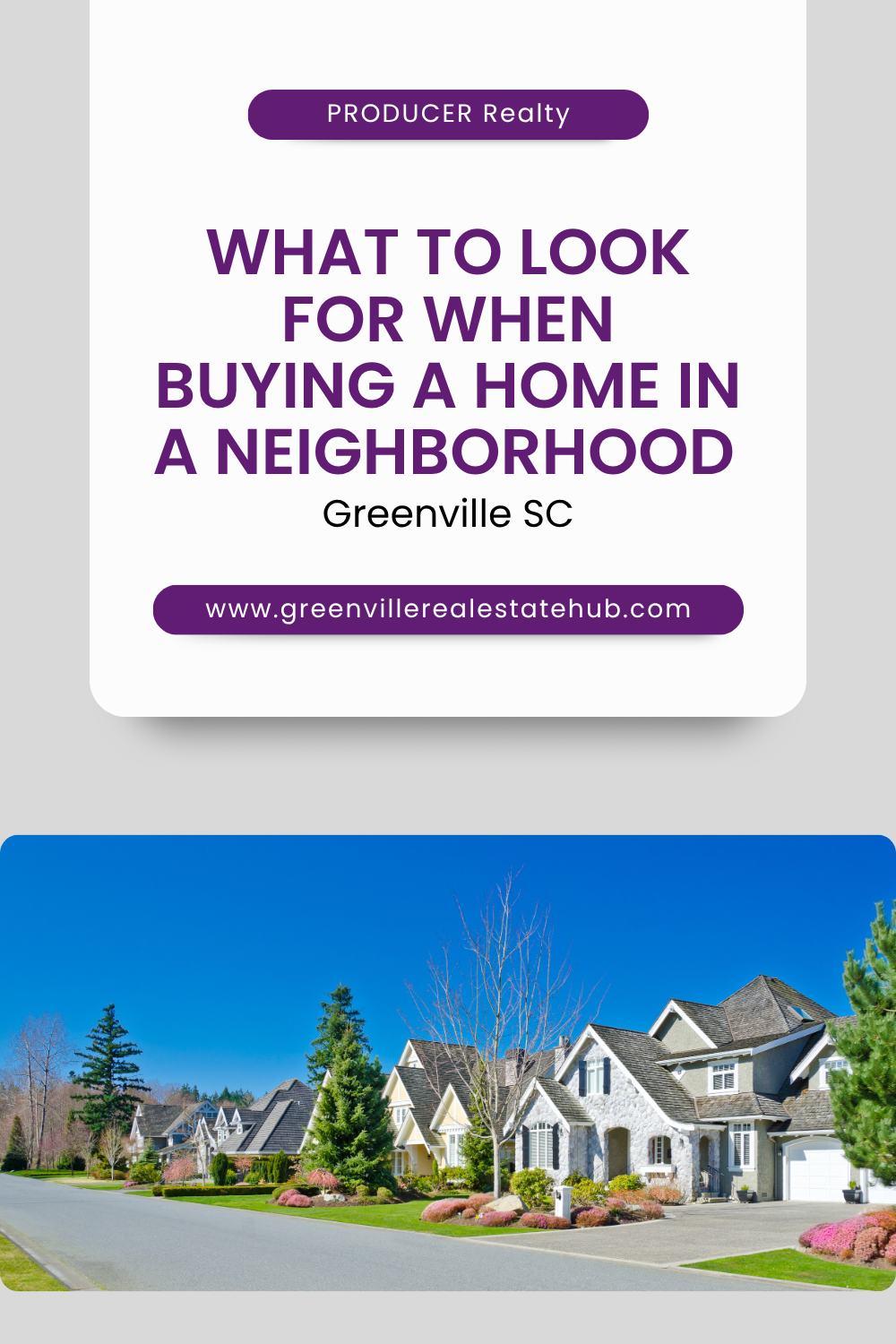
What to Look for When Buying a Home in a Neighborhood | Greenville SC

When you're buying a home, it's easy to focus almost entirely on the house itself. You might compare square footage, bedrooms, bathrooms, kitchen finishes, garage space, lot size, and price. Those things matter, but there's another factor that can have just as much impact on your experience as a homeowner: the neighborhood.

A home can check nearly every box on your wish list, but if the location doesn't fit your lifestyle, commute, or long-term plans, you may eventually regret the decision. That's why knowing what to look for when buying a home in a neighborhood is an essential part of the home-buying process — especially if you're considering a move to Greater Greenville Upstate South Carolina. The area includes a wide range of communities and lifestyles, so the neighborhood that works well for one buyer may not be the right choice for another.

Before making an offer, it's worth looking beyond the property lines and evaluating the larger community around the home.


Why the Neighborhood Matters When Buying a Home

Your home is where you live, but your neighborhood is where much of your everyday life happens. It can influence how long you spend commuting, where your children attend school, how easily you access shopping and recreation, how much you enjoy spending time outdoors, and how convenient your daily routine feels. It can also influence the future marketability of your home.

For example, a buyer who works downtown may place a high value on convenient access to Greenville's urban core. Another buyer may prioritize a larger lot, nearby parks, or a particular school assignment. Someone who works outside Greenville may care more about highway access and commute times. There isn't one universally "best" neighborhood — the goal is to find one that works for you.


1. Start With the Location

One of the first things to consider when choosing a neighborhood is its location. Look beyond the address and think about where the home sits in relation to the places you visit regularly, including your:

  • Workplace
  • Schools
  • Grocery stores
  • Healthcare providers
  • Restaurants and shopping
  • Parks and recreation
  • Family and friends
  • Major highways
  • Downtown Greenville or other employment centers

A neighborhood that looks perfect online may feel very different once you factor in your daily drive.


Think About Your Actual Routine

Try imagining a normal weekday. How long will it take to get to work? How far will you need to drive for groceries? How convenient will school drop-off and pickup be, and what will your commute look like during peak traffic? These questions can help you evaluate whether a neighborhood actually fits your day-to-day life rather than simply looking attractive on a listing.

For buyers relocating to Greenville, this step is particularly important. If you're unfamiliar with the area, understanding how different communities connect to major roads, employment centers, shopping, and recreation can take time — which is one reason working with a real estate professional who understands the local area can be valuable.


2. Consider Your Commute and Transportation Options

A beautiful home can become much less attractive if you spend hours every week getting to and from work. Before buying, map out the routes you'll regularly use, and don't only check the estimated driving time during the middle of the day — consider what your commute could look like during the times you'll actually be traveling.

If you're buying in the Greater Greenville area, consider your proximity to major roads such as I-85 and I-385, depending on where you work and where your regular activities take you. Also think about whether you prefer a short commute, easy highway access, walking or biking opportunities, access to public transportation, proximity to Downtown Greenville, or closeness to suburban amenities. Your transportation priorities should help narrow down the neighborhoods you consider.


3. Research the Schools

For buyers with children — or buyers who want to keep future resale considerations in mind — schools can be an important part of evaluating a neighborhood. Don't simply assume that homes close to one another are assigned to the same schools; attendance boundaries can vary by location, so verify the current assignment for the specific property you're considering.

You should also research elementary, middle, and high school performance information, school programs, transportation, before- and after-school options, and private or charter school alternatives if those matter to your plans.

Our Guide to School Districts in Greenville County, SC: What Homebuyers Should Know can be a helpful starting point for buyers researching education options in the area. Remember that school information and attendance boundaries can change, so always verify current information with the appropriate school district.


4. Look at Nearby Amenities

Think about what you want your life outside the house to look like. Do you enjoy restaurants and coffee shops? Would you like to be close to parks and trails? Do you prefer having shopping nearby, or want quick access to entertainment and community events?

Make a list of the amenities you use most often and see how conveniently they're located relative to the neighborhoods you're considering. Greater Greenville offers a variety of options, from urban amenities to outdoor recreation and suburban shopping centers — but proximity isn't the only consideration. A neighborhood with dozens of restaurants nearby may not matter much to someone who prefers cooking at home, while a community next to a trail system may be especially valuable to someone who spends weekends outdoors. The right amenities are the ones that fit how you actually live.


5. Pay Attention to the Surrounding Homes

When you're touring a property, don't stop your evaluation at the front door. Look around: Are surrounding properties generally well maintained? Are there vacant lots nearby? Are homes primarily older or newly constructed? Are there commercial properties, major roads, businesses, or other developments surrounding the neighborhood?

None of these factors automatically makes a neighborhood good or bad — they're simply pieces of information that help you understand the environment you're considering. Remember, you're not only buying a house. You're buying into a location.


6. Investigate Noise and Traffic

Noise is easy to overlook during a scheduled home showing. A neighborhood might feel quiet on a Saturday afternoon but sound very different during weekday rush hour. Consider potential sources of noise such as major roads, highways, airports, commercial areas, schools, sports facilities, construction, nearby businesses, or train tracks.

If possible, visit the neighborhood at different times of day. Morning, afternoon, evening, and weekend visits can give you a more complete picture of what living there might be like.


7. Understand the HOA

If the neighborhood has a homeowners association, don't wait until after you've purchased the home to learn what the HOA does. Ask for the relevant HOA documents and understand the rules before making a decision, including:

  • HOA fees and what they cover
  • Rules, restrictions, and architectural guidelines
  • Landscaping and parking regulations
  • Pet and rental restrictions
  • Amenities
  • Potential special assessments

An HOA isn't necessarily a negative or positive feature — it depends on what you're looking for. Some homeowners appreciate community standards and maintained amenities; others prefer fewer restrictions. The important thing is understanding what you're agreeing to before you purchase.


8. Look at Parks, Recreation, and Outdoor Space

For many Greater Greenville residents, access to outdoor recreation is an important part of the lifestyle. When evaluating a neighborhood, consider nearby parks, walking trails, greenways, sports fields, recreation centers, community pools, playgrounds, and biking routes — and think about how likely you are to actually use them.

If you enjoy walking every morning, having a convenient trail may be more valuable to you than being five minutes closer to a shopping center. If you have young children, playgrounds and recreational facilities may be higher on your list.


9. Investigate Future Development

One of the most overlooked questions when buying a home is: what could change around this neighborhood in the future? A neighborhood may look very different five or ten years from now. Research whether there are plans for new residential developments, commercial projects, road expansions, new schools, shopping centers, apartment communities, industrial development, or infrastructure improvements.

Future development isn't necessarily bad — new investment can bring additional services, infrastructure, and amenities. But you want to understand what could potentially change the area around your home. This is particularly important in a growing region such as Greater Greenville Upstate South Carolina.


10. Think About Resale Value

Even if you expect to stay in your home for many years, it's wise to consider its future resale potential. You can't predict exactly what the housing market will do, but you can evaluate factors that may influence buyer interest: location, school access, neighborhood condition, nearby amenities, transportation, home values in the surrounding area, new development, property taxes and ongoing ownership costs, HOA restrictions, and demand for similar homes.

A home doesn't have to be the most expensive property in the neighborhood to be a good purchase. In fact, many buyers prefer a home that offers desirable features while remaining appropriately positioned within the neighborhood's price range.


11. Visit the Neighborhood More Than Once

One of the simplest things you can do before buying is also one of the most useful: visit the neighborhood more than once, at different times of day and on different days of the week. You may notice things you didn't see during your first visit — perhaps traffic is heavier during weekday mornings, the neighborhood becomes more active in the evening, or a nearby shopping center is more convenient than you initially realized. The goal is to experience the neighborhood rather than simply tour it.


12. Talk to People Who Live There

If you have an opportunity to speak with current residents, consider asking:

  • What do you like most about living here?
  • What do you wish you had known before buying?
  • Are there community events, and how active is the HOA?
  • How is traffic during commuting hours?
  • What are your favorite nearby amenities?

You don't have to conduct an interview with everyone you meet. Even a brief conversation can sometimes provide perspective you won't find in a property listing.


13. Think About Whether the Neighborhood Fits Your Lifestyle

Ultimately, choosing a neighborhood comes down to one central question: can you see yourself enjoying your everyday life here? A neighborhood that works for a young professional may not be the best fit for a growing family. A buyer who wants walkability may have different priorities than someone who wants a large lot and privacy. A retiree may prioritize healthcare and recreation, while a commuter may care most about highway access.
Before choosing a neighborhood, identify your priorities — both what matters to you today and what might matter several years from now.


Neighborhood Home-Buying Checklist

Location

  • Is the neighborhood convenient to work?
  • Is it close to the places you visit regularly?
  • How accessible are major roads?

Schools

  • Which schools serve the property?
  • Have you verified the current school assignment?
  • Are educational options important to your plans?

Amenities

  • Are grocery stores, restaurants, shopping, and healthcare nearby?
  • Are parks and recreation convenient?

Community

  • What are the surrounding homes like?
  • Does the neighborhood fit your preferred lifestyle?
  • Is there an active HOA?

Noise & Traffic

  • How busy are nearby roads?
  • Are there potential sources of noise?

Future Development

  • Are there planned developments or infrastructure projects nearby?
  • Could the surrounding area change significantly?

Financial Considerations

  • What are the HOA fees?
  • Are there restrictions that could affect future resale?
  • How do comparable homes in the area perform?

Personal Fit

  • Can you picture yourself living here?
  • Does the neighborhood support the lifestyle you want?

Taking the time to work through these questions can help you make a decision based on more than just the appearance of the house.


How Neighborhood Research Fits Into Your Greenville Home Search

If you're relocating to Greater Greenville, neighborhood research becomes even more important because you may not have firsthand experience with the communities you're considering. You might know you want to live somewhere in the Greenville area, but not yet understand which communities fit your commute, lifestyle, budget, and long-term goals.

That's where a broader relocation strategy can help. Our Moving to Greenville, SC: Complete Relocation Guide provides a starting point for understanding the area, while our How to Buy a Home When Relocating to Greenville SC: A Complete Guide for Out-of-State Buyers explains more about navigating the purchasing process when you're moving from outside the area. And if lifestyle is a major factor in your decision, our guide to What Is It Really Like Living in Greenville, SC? explores some of the everyday considerations that can help you determine whether the area is right for you.

The more you understand about the community before purchasing, the better positioned you'll be to choose a home that fits both your needs and your lifestyle.


Frequently Asked Questions About Choosing a Neighborhood

What should I look for when buying a home in a neighborhood?

Look at the neighborhood's location, commute, schools, amenities, surrounding properties, noise and traffic, HOA rules, future development, outdoor recreation, and potential resale considerations. Most importantly, consider whether the neighborhood fits your lifestyle and long-term plans.

How do I choose the right neighborhood for my family?

Start by identifying your family's priorities. Consider school assignments, commute times, nearby parks and recreation, healthcare, shopping, neighborhood amenities, home prices, and the type of community you want.

How many times should I visit a neighborhood before buying?

There's no specific number, but visiting at different times of day and on different days of the week can provide a more complete understanding of traffic, noise, activity, and the overall environment.

What should I ask about an HOA before buying?

Ask about HOA fees, rules, restrictions, amenities, maintenance responsibilities, architectural guidelines, rental restrictions, parking rules, and potential assessments. Review the HOA documents carefully before purchasing.

How important is neighborhood location when buying a home?

Location is one of the most important factors because it affects your commute, access to amenities, lifestyle, and potentially the future demand for your home. A great house in the wrong location may not be the right purchase.


Final Thoughts: Look Beyond the House

Buying a home is a major decision, and the house itself is only one part of it. The neighborhood you choose can influence your commute, lifestyle, access to amenities, schools, daily routine, and future resale opportunities.

Walk around the neighborhood. Visit at different times. Research schools and amenities. Understand the HOA. Look into future development. Consider your commute. And most importantly, think about whether you can see yourself living there — not just today, but several years from now.

For buyers searching in Greater Greenville Upstate South Carolina, having someone who understands the local market and the communities you're considering can make the process easier. At PRODUCER Realty, our goal is to help buyers make informed decisions — not simply find a house. Our local knowledge and negotiation experience can help you evaluate your options, understand the communities you're considering, and navigate the home-buying process.

If you're considering a move to Greenville, start with our Moving to Greenville, SC: Complete Relocation Guide to learn more about the area and what to consider before making your move.

When you're ready to discuss your options, call us at 864-438-5050 or schedule a call. You can also explore our relocation guide.

Receive Cash Offer on Your House ​Today!

Did you know that we have a cash offer platform? It's your gateway to ​make your home selling process ​convenient, providing you with opportunities. Don't miss out on the potential it offers – explore our cash offer platform today! ​Click here to request a cash offer for your home.


Aug. 21, 2026

Greater Greenville SC Real Estate Market Update for August 2026

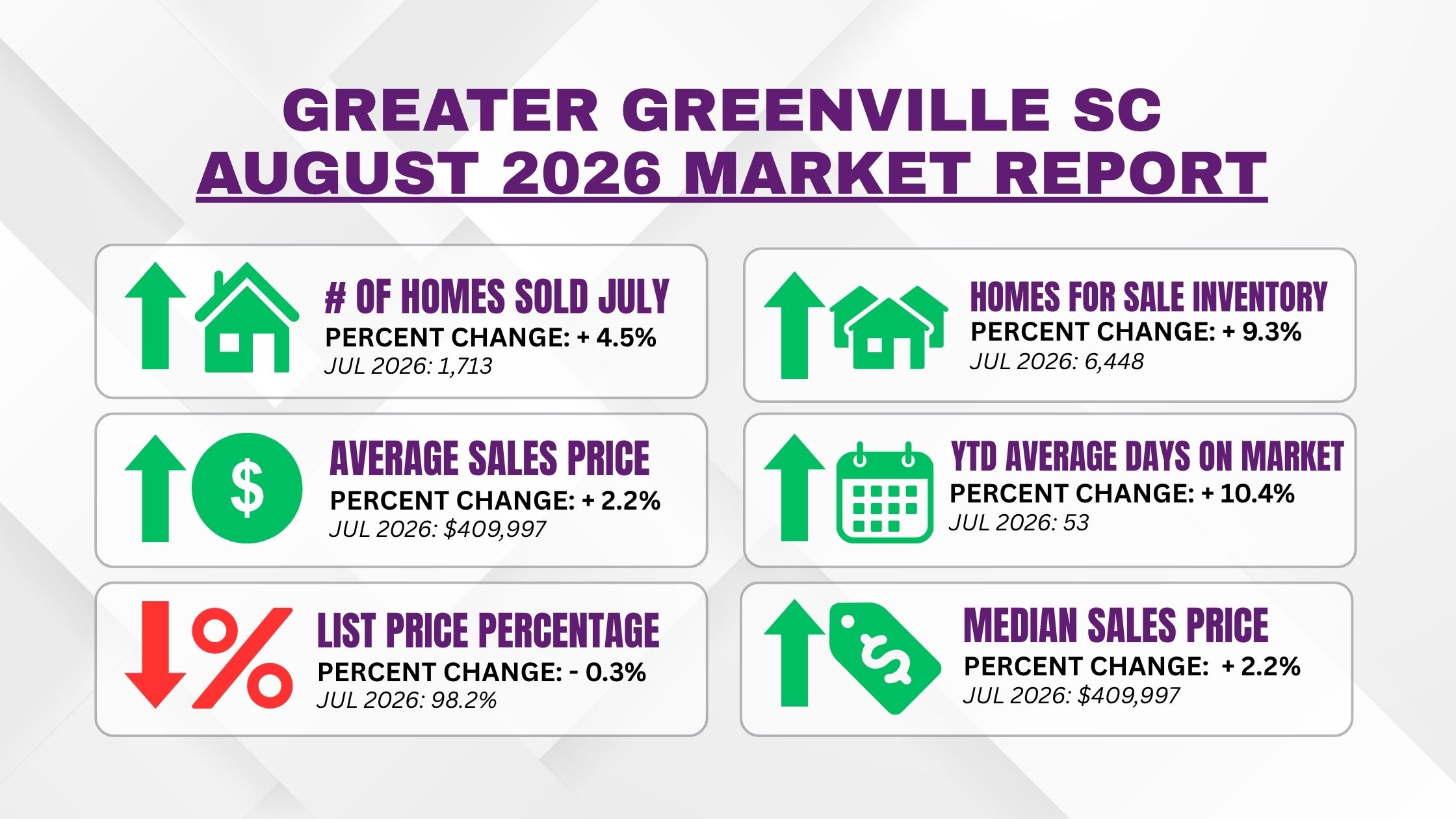
The Greenville SC real estate market is showing signs of a changing market as inventory continues to grow while home prices and new listings soften. For buyers, that can mean more homes to choose from and potentially more room to negotiate. For sellers, it means pricing and preparation are becoming increasingly important.

Here’s a look at the latest Greenville SC housing market and what the current trends could mean for your next real estate move.


U.S. Real Estate Market

The broader U.S. housing market experienced a monthly slowdown in existing-home sales. According to the National Association of REALTORS®, existing-home sales declined 2.4% from the previous month to a seasonally adjusted annual rate of 4.09 million units. Sales increased in the Northeast but declined in the West, South, and Midwest.

Despite the monthly decline, the national housing market remains ahead of last year. Existing-home sales were up 2.8% compared with a year earlier, with annual gains reported in the Midwest, South, and West.

Home prices also continued to rise nationally. The median existing-home price reached a record $440,600, representing a 1.8% increase from a year earlier. According to NAR, prices have now increased annually for 36 consecutive months.

Inventory is gradually improving as well. Heading into July, approximately 1.56 million properties were available for sale, down 0.6% from the previous month but up 1.3% compared with the same period last year. That represented approximately 4.6 months of supply.

Homes spent a median of 28 days on the market, while first-time homebuyers accounted for 33% of purchases.

Overall, the national market continues to show demand, but buyers are gaining more options as inventory gradually increases.


Greenville SC Real Estate Market

The latest Greenville SC real estate market update shows a similar shift toward greater inventory and a little more breathing room for buyers.

New listings in Greenville SC decreased 3.6% to 2,514, indicating fewer new properties entered the market during the period. At the same time, pending sales increased 0.6% to 1,574, suggesting that buyer activity remains relatively steady.

One of the biggest changes is inventory. Greenville SC housing inventory increased 9.3% to 6,448 units. More available homes can give buyers additional choices and reduce some of the urgency that has characterized tighter housing markets in the past.

The median home price in Greenville SC decreased 1.7% to $326,000. While one month's change does not necessarily establish a long-term pricing trend, the movement is worth watching as local inventory continues to rise.

Homes are also taking longer to sell. Days on market in Greenville SC increased 10.4% to 53 days. Meanwhile, the absorption rate increased 2.4% to 4.2 months.

Together, these numbers point toward a market that is becoming more balanced. Buyers have more inventory to consider, while sellers may need to be more strategic about pricing, presentation, and negotiation.


What the Greenville SC Market Means for Home Buyers

For home buyers in Greenville SC, the current market could provide more opportunities than buyers had during periods of extremely limited inventory.

With inventory up 9.3% and homes spending an average of 53 days on the market, buyers may have more time to compare properties and evaluate their options. The increase in Greenville SC home inventory could also create more opportunities to negotiate depending on the property, its condition, and how it is priced.

However, buyers should not assume that every home will be negotiable or that prices will continue falling. Pending sales remain relatively stable, and desirable properties can still attract strong interest.

Working with a knowledgeable Greenville SC real estate agent can help buyers understand which properties represent good opportunities and how to structure a competitive offer without overpaying.


What the Greenville SC Market Means for Home Sellers

For home sellers in Greenville SC, the current market requires a more thoughtful strategy.

With more inventory available and days on market increasing, buyers have more opportunities to compare homes. That makes accurate pricing especially important. A home priced significantly above comparable properties may take longer to sell, while a well-priced property can still attract serious buyers.

Sellers should also pay close attention to presentation, condition, marketing, and negotiation strategy. In a market with more choices, buyers can be selective.

A strong Greenville SC home selling strategy starts with understanding what comparable properties are actually selling for—not simply what other sellers are asking.


Final Thoughts on the Greenville SC Real Estate Market

The latest Greenville SC real estate market trends suggest that the market is moving toward a more balanced environment. Inventory is growing, homes are taking longer to sell, and the median sales price has experienced a modest decline.

For buyers, this can create more choices and potentially more negotiating opportunities. For sellers, it reinforces the importance of pricing correctly and presenting a home effectively from the beginning.

Real estate is local, and market conditions can vary significantly depending on the neighborhood, price range, and type of property. If you're thinking about buying or selling, understanding the numbers specific to your situation is more valuable than relying on national headlines alone.

Thinking about buying or selling in the Greenville SC area? Call us at 864-438-5050, check out our relocation guide or schedule a call. We can help you understand the current Greenville SC real estate market, evaluate your options, and develop a strategy based on your goals. 


Receive Cash Offer on Your House ​Today!

Did you know that we have a cash offer platform? It's your gateway to ​make your home selling process ​convenient, providing you with opportunities. Don't miss out on the potential it offers – explore our cash offer platform today! ​Click here to request a cash offer for your home.


Aug. 14, 2026

Restaurant Week Greenville SC 2026: Restaurants, Menus & What to Know

If you're looking for a reason to explore Greenville's dining scene, Restaurant Week Greenville SC 2026 is a great place to start.

This year's Restaurant Week runs from August 13 through August 23, 2026, giving diners 11 days to explore participating restaurants throughout the Upstate. The event includes restaurants ranging from casual dining to more upscale experiences, with participating establishments offering special menus, new dishes, fan favorites, and multi-course dining options.

Whether you're a longtime Greenville resident, visiting the area, or considering a move to the Upstate, Restaurant Week offers an opportunity to experience some of the area's dining options while discovering restaurants you may not have tried before.

In this guide, we'll explain when Restaurant Week Greenville takes place, how it works, what kinds of restaurants participate, what to know about menus and reservations, and how to make the most of the event.


When Is Restaurant Week Greenville 2026?

Restaurant Week Greenville takes place August 13–23, 2026.

The 11-day event begins on Thursday, August 13 and runs through Sunday, August 23, with participating restaurants across Greenville county

Because menus, participating restaurants, pricing, and availability can change, it's a good idea to check the official Restaurant Week information and the restaurant's own website before making plans.


What Is Restaurant Week Greenville?

Restaurant Week is a culinary event designed to showcase participating restaurants and encourage diners to explore the local food scene.

For 2026, participating restaurants are offering a variety of dining experiences, from casual meals to more upscale options. Depending on the restaurant, specials may include multi-course meals, prix-fixe menus, or other Restaurant Week offerings.

That variety is part of what makes the event interesting for Greenville residents. You don't necessarily have to plan one elaborate night out. You can use Restaurant Week as an opportunity to discover a new neighborhood restaurant, try a cuisine you haven't experienced before, or revisit a local favorite that's offering something special.


Which Restaurants Are Participating in Greenville Restaurant Week?

The official Restaurant Week South Carolina website currently lists participating restaurants in Greenville, with offerings that vary by restaurant.

Some of the restaurants listed for Greenville include CAMP, Cantina 76, Capri's Italian, and Chicora Alley, among others. The current listings show different Restaurant Week offerings, including multi-course meals and special pricing.

The participating restaurant list is worth checking directly because the menus and offerings aren't necessarily the same from one restaurant to another.

For example, the current Greenville listings include:

CAMP — American cuisine with a three-course dinner option.

Cantina 76 – Greenville — Mexican cuisine with three-course lunch and dinner options.

Capri's Italian — Italian cuisine with a four-course meal option.

Chicora Alley — American cuisine with a three-course option.

These are just examples from the current listings, not a complete list. For the most current participating restaurants and their Restaurant Week menus, check the official Restaurant Week directory before deciding where to dine.


What Can You Expect From the Menus?

One of the best parts of Restaurant Week is that there isn't a single menu or price structure that applies to every participating restaurant.

Instead, each restaurant creates its own Restaurant Week offering.

Depending on where you go, you may find:

  • Multi-course dinners
  • Prix-fixe menus
  • Lunch specials
  • Dinner specials
  • New menu items
  • Restaurant favorites
  • Options for different types of cuisine
  • Meals designed for one diner or multiple people

The current Greenville listings show offerings at different price points and formats, so comparing menus before making a reservation can help you find an experience that fits your budget and interests.


A Quick Tip Before You Go

Don't assume every restaurant's Restaurant Week menu works the same way.

Read the individual menu carefully before making your reservation. Check what courses are included, whether the price is per person or for multiple diners, whether substitutions or upgrades cost extra, and whether reservations are recommended.

We also recommends making reservations early, particularly because participating restaurants can become busy during the event.


Why Restaurant Week Is Worth Exploring

Restaurant Week is more than an opportunity to find a special meal.

For people who already live in Greenville, it's a chance to explore more of the local dining scene. For someone who has recently moved to the area, it's an easy way to start discovering local restaurants and different parts of the community.

And if you're considering relocating to Greenville, events like Restaurant Week offer a small glimpse into what everyday life in the area can look like.

Greenville's lifestyle isn't only about housing and neighborhoods. It's also about having places to meet friends, enjoy dinner after work, celebrate special occasions, and discover locally owned businesses.

That combination of restaurants, outdoor recreation, community events, entertainment, and neighborhood amenities is an important part of what makes the Greater Greenville area an interesting place to call home.

In the next section, we'll look more closely at how to choose a Restaurant Week experience, what to consider when comparing menus, and tips for making the most of your visit.


How to Choose a Restaurant During Greenville Restaurant Week

With participating restaurants offering different cuisines, price points, and menu formats, choosing where to eat during Restaurant Week Greenville SC 2026 can feel like the hardest part.

The good news? You don't have to limit yourself to one type of dining experience.

The official Restaurant Week directory currently includes restaurants across several Greenville-area communities and neighborhoods, including Downtown Greenville, West Greenville, Greer, Simpsonville, Mauldin, Travelers Rest, Pelham Road, and other areas. That makes Restaurant Week a good opportunity to explore restaurants outside your usual routine.


Start With the Type of Food You Want

One of the easiest ways to narrow down your choices is to start with cuisine.

The current Greenville Restaurant Week listings include a variety of options, including American, Mexican, Italian, Spanish, seafood, Southern, pizza, tapas, steakhouse, and other dining styles.

That means you can approach Restaurant Week in different ways.

If you're looking for something familiar, you may want to choose a restaurant serving a cuisine you already enjoy. If you're more interested in discovering something new, Restaurant Week can be a good excuse to try a restaurant or type of cuisine you haven't experienced before.


Compare the Menus Before You Make Your Plans

Not every Restaurant Week menu is structured the same way.

Some participating restaurants offer three-course meals, while others provide different formats, such as multiple tapas, lunch specials, dinner combinations, or meals designed for two people. Current listings show examples ranging from three-course offerings to four-course meals and other special formats.

Before making your plans, look at the actual menu rather than choosing a restaurant based solely on its name.

Consider:

  • How many courses are included?
  • What dishes are available?
  • Is the Restaurant Week offering available at lunch, dinner, or both?
  • Is the listed price per person or for multiple diners?
  • Are drinks included?
  • Are substitutions or upgrades available?
  • Does the menu accommodate your dietary preferences?

Taking a few minutes to compare menus can help you choose an experience you'll actually enjoy.


Restaurant Week Can Be a Good Reason to Try Somewhere New

One of the best ways to approach Restaurant Week is to think beyond your regular dining rotation.

Maybe there's a restaurant you've driven past but never visited. Maybe you've heard friends talk about a particular spot. Or perhaps you're new to Greenville and are still figuring out where locals like to eat.

Restaurant Week gives you a reason to explore.

For example, the current official listings include restaurants such as Abanico Tapas Bar, Abyss Raw Bar & Cocktail, CAMP, Cantina 76, Capri's Italian, CityRange Steakhouse Grill, Coral, Crust and Craft, DeMarco's Italian, Fork and Plough, and HeyDay Sandwiches & Cocktails, among many others.

The list also extends beyond Downtown Greenville, so you can use Restaurant Week as an opportunity to explore different parts of the Greater Greenville area.


Consider Exploring a Different Greenville Neighborhood

Restaurant Week isn't only about what's on your plate. It's also an opportunity to experience different parts of the community.

The official restaurant directory allows diners to browse participating locations by areas such as Downtown Greenville, West Greenville, Greer, Simpsonville, Mauldin, Travelers Rest, Pelham Road, and other parts of the area.

That can be especially useful if you're considering moving to Greenville.

Instead of spending the entire evening at one restaurant, consider turning dinner into an opportunity to explore the surrounding area.

Walk around downtown before or after dinner. Visit a local shop. Explore a nearby neighborhood. Check out a park or community gathering space.

Small experiences like these can help you get a better feel for what everyday life in Greenville is actually like.


Lunch or Dinner? Check the Individual Restaurant

Restaurant Week isn't necessarily limited to dinner.

Some participating restaurants are offering lunch options in addition to dinner, while others are focusing exclusively on evening dining. For example, the current official listings show lunch and dinner offerings at restaurants including Cantina 76, Crust and Craft, Grill Marks, and HeyDay Sandwiches & Cocktails.

If you're working during the day or simply prefer a midday meal, check the restaurant's specific Restaurant Week listing before making plans.

Availability and menu details can vary by restaurant.


Make Reservations Early When Recommended

Restaurant Week can be a busy time for participating restaurants, particularly on Friday and Saturday evenings.

We recommend making reservations early, and some participating restaurants are already accepting reservations for the event.

If you already know where you want to eat, don't necessarily wait until the last minute.

Before making a reservation, confirm:

  • The Restaurant Week menu is available on your chosen date.
  • The restaurant is participating during the specific service you're planning.
  • The reservation time works with the Restaurant Week offering.
  • You understand the menu's pricing and included courses.
  • Any dietary restrictions can be accommodated.

And remember that a reservation doesn't necessarily mean you'll automatically receive the Restaurant Week menu. Confirm the details with the restaurant if you're unsure.


Look Beyond the Price

It's tempting to compare restaurants based solely on the advertised Restaurant Week price, but price isn't the only factor worth considering.

Think about the overall experience.

A $20 lunch may be perfect if you're looking for a casual midday meal. A higher-priced multi-course dinner may make more sense if you're celebrating an anniversary, birthday, or special occasion.

Restaurant Week gives you the opportunity to choose an experience that matches your plans rather than assuming there's one "best" restaurant for everyone.


A Few Restaurant Week Tips for First-Time Diners

If this is your first time participating in Greenville Restaurant Week, a little planning can go a long way.

1. Check the official directory first

The official Restaurant Week South Carolina directory is the best place to check current participating restaurants and menus. Because restaurant participation and menu details can change, use the current listing rather than relying on an older article or social media post.

2. Read the entire menu

Don't just look at the headline price. See exactly what is included and whether there are additional charges.

3. Make reservations when appropriate

Popular restaurants may fill up, particularly during peak dinner hours. Early reservations are recommended by local reporting on the 2026 event.

4. Try something different

Restaurant Week is a great excuse to step outside your normal dining routine.

5. Explore the neighborhood

Give yourself enough time to enjoy the area around the restaurant instead of treating dinner as a standalone activity.

6. Don't feel like you have to visit multiple restaurants

The event lasts 11 days, so there's plenty of flexibility. You can choose one restaurant that interests you or make Restaurant Week part of several outings throughout the event.


Restaurant Week Is About More Than One Meal

What makes Restaurant Week particularly interesting for Greenville residents is the opportunity to experience the community through its restaurants.

A restaurant can introduce you to a neighborhood you've never explored. A new dish can introduce you to a local business. An evening downtown can turn into a walk through the city, a visit to a local shop, or another activity nearby.

For someone who is considering moving to Greenville, these everyday experiences can be just as valuable as visiting the area's major attractions.

After all, living in Greenville isn't simply about where you buy a home. It's also about where you spend your weekends, where you meet friends, where you eat dinner, and how you experience the community.

If you're curious about the broader lifestyle, our guide What Is It Really Like Living in Greenville, SC? takes a closer look at neighborhoods, outdoor recreation, dining, community events, education, and everyday life throughout the Greater Greenville area.

In the next section, we'll look at how Restaurant Week fits into Greenville's broader food and community culture, along with ways to turn your Restaurant Week outing into a larger Greenville experience.


Making Restaurant Week Part of the Greenville Lifestyle

Restaurant Week is about food, but the experience can be much bigger than a single meal. For Greenville residents, it can be an opportunity to discover a new restaurant, explore a different part of the community, and spend time with friends or family.

The 2026 Restaurant Week Greenville takes place August 13–23 and features participating restaurants ranging from fine dining to casual establishments. Restaurants are offering different menus and dining experiences throughout the 11-day celebration.


Why Restaurant Week Is More Than a Dining Promotion

Events like Restaurant Week highlight an important part of life in Greenville: the local community is built around experiences as much as places.

Restaurants provide gathering spaces for birthdays, date nights, family dinners, business meetings, celebrations, and casual evenings with friends. An event that encourages residents to try different restaurants can also encourage people to explore parts of Greenville they may not visit regularly.

For someone who has recently moved to the area, that can be especially valuable.

You might discover a favorite restaurant that becomes part of your regular routine. You might find a new neighborhood to explore. Or you might simply discover another reason to enjoy spending a weekend close to home.


Use Restaurant Week to Explore More Than Downtown

Downtown Greenville is one of the area's best-known destinations for dining, but the local food scene extends well beyond Main Street.

Participating restaurants are located throughout the Greenville and Upstate area, giving diners an opportunity to explore different communities and neighborhoods.

That makes Restaurant Week a useful excuse to venture outside your normal routine.

Instead of automatically choosing the restaurant closest to you, consider picking a location in an area you've been meaning to explore. You could turn dinner into a larger outing by arriving early, walking around nearby shops, visiting a park, or checking out another local attraction afterward.

For prospective homebuyers, this can be particularly useful. Exploring different parts of Greenville through everyday activities can help you develop a better understanding of which communities fit your lifestyle.


Restaurant Week and the Local Small-Business Community

Local restaurants are an important part of the identity of any growing community.

Restaurant Week gives participating establishments an opportunity to introduce their food and dining experience to people who may not otherwise visit. At the same time, diners get an opportunity to discover businesses they may want to support long after the event ends.

That creates a two-way benefit: restaurants gain exposure, while residents have another reason to explore and support local businesses.

For people considering a move to Greenville, this is one of the details worth paying attention to. A community's lifestyle isn't defined only by its housing market or major attractions. The restaurants, independent businesses, events, parks, and gathering places all contribute to what it feels like to live there.


Planning a Restaurant Week Outing With Friends or Family

Restaurant Week can work for different types of outings.

For a date night, look for a restaurant offering a multi-course dinner and plan some time before or afterward to explore the surrounding area.

For a family outing, check the menu carefully and make sure the restaurant's format and available dishes work for everyone in your group.

If you're meeting friends, consider choosing a restaurant in a part of Greenville that everyone can easily reach and combine dinner with another activity.

You don't have to make the event complicated. Sometimes the best way to experience Restaurant Week is simply to pick a restaurant you've never tried and enjoy the evening.


Make the Most of the 11-Day Event

Because Restaurant Week runs for 11 days, you don't have to fit everything into one weekend.

If your schedule allows, consider spreading your dining plans throughout the event.

You could try a lunch during the week, then plan a dinner with friends over the weekend. Or choose one restaurant this year and keep a list of other participating restaurants you'd like to try in the future.

Before heading out, remember to check the current official listings because participating restaurants, menus, pricing, and availability can vary. The official directory is the best place to verify the latest information.


What Restaurant Week Says About Living in Greenville

If you're considering moving to Greenville, events like Restaurant Week offer a small but meaningful glimpse into the area's lifestyle.

It's easy to research Greenville by looking at home prices, neighborhoods, schools, and commute times. Those are important factors, but they don't tell the entire story.

You also want to know:

What will I actually do here?

Where will you meet friends after work? Where will you go for a weekend dinner? Which neighborhoods will you enjoy exploring? What local businesses will become part of your routine?

Greenville's dining scene is one piece of that larger lifestyle.

And Restaurant Week provides a convenient opportunity to experience it firsthand.

If you're interested in learning more about everyday life in the area, our guide What Is It Really Like Living in Greenville, SC? explores neighborhoods, outdoor recreation, dining, community events, education, and other aspects of life throughout the Greater Greenville area.

You can also explore our Things to Do in Greenville SC After You Move: A New Resident's Guide to Exploring the Greater Greenville SC Area for more ideas on discovering the area once you arrive.


Considering Greenville as Your Next Home?

If you're visiting Greenville for Restaurant Week and find yourself thinking, "I could actually see myself living here," you're not alone.

Exploring restaurants, parks, neighborhoods, and local events can be a great way to get a feel for an area before making a move. If you're considering buying a home in the Greater Greenville area, take the time to explore several communities rather than focusing on just one.

Different areas can offer very different experiences in terms of housing, commute, amenities, recreation, and day-to-day lifestyle.

Our Moving to Greenville, SC: Complete Relocation Guide is a helpful next step if you're researching the area and want a broader look at what to consider before relocating.

And if you're already ready to start thinking about a home purchase, our How to Buy a Home When Relocating to Greenville SC: A Complete Guide for Out-of-State Buyers walks through the home-buying process for buyers moving from outside the area.

In the final section, we'll answer some of the most common questions about Restaurant Week Greenville SC 2026, provide a quick checklist for planning your visit, and wrap up with why events like this are worth experiencing if you're considering making Greenville home.


Restaurant Week Greenville SC 2026: FAQs, Tips & Final Thoughts

Restaurant Week Greenville is almost here, with the 2026 event taking place August 13–23, 2026. The 11-day celebration features participating restaurants throughout the Upstate, offering everything from casual dining to more upscale experiences and special multi-course menus. 

If you're planning to participate, here are some of the most common questions to keep in mind.


Frequently Asked Questions About Restaurant Week Greenville SC 2026

When is Restaurant Week Greenville 2026?

Restaurant Week Greenville runs from August 13 through August 23, 2026. The event lasts 11 days and includes participating restaurants throughout the Upstate.

What is Restaurant Week Greenville?

Restaurant Week is an annual dining promotion that gives participating restaurants an opportunity to showcase special menus, new dishes, fan favorites, and multi-course dining experiences. The 2026 Greenville event includes restaurants ranging from fine dining to casual establishments. 

Which restaurants are participating?

There are numerous participating restaurants throughout Greenville areas. The official Restaurant Week South Carolina directory provides the current list of participating restaurants and their individual offerings.

Because restaurants can have different menus, prices, and availability, it's best to check the official directory and the restaurant's own website before making plans.

View the official Restaurant Week South Carolina restaurant directory

How much does Restaurant Week cost?

There isn't one universal Restaurant Week price. Each participating restaurant determines its own menu, pricing, and format.

Some restaurants offer multi-course meals, while others may have lunch or dinner specials. Always review the individual restaurant's current Restaurant Week menu before making a reservation.

Do I need a reservation?

A reservation isn't necessarily required at every participating restaurant, but making one in advance is a good idea, particularly if you're planning to dine during a busy dinner period.

Local coverage of the 2026 event recommends making reservations early, and individual restaurants may have their own reservation policies.

If you have a specific restaurant in mind, check its website or contact the restaurant directly.

Are Restaurant Week menus available for lunch?

Some participating restaurants offer lunch options, while others focus on dinner. The availability varies by restaurant, so check the individual Restaurant Week listing before making plans.

Are drinks included in Restaurant Week menus?

Not necessarily. Restaurant Week menus vary by restaurant, so don't assume beverages, alcohol, tax, or gratuity are included in the advertised menu price.

Review the restaurant's specific terms and menu before ordering.

Can I visit more than one restaurant during Restaurant Week?

Absolutely. Since the 2026 event runs for 11 days, you can choose to experience Restaurant Week at multiple participating restaurants throughout the event.

You could try a casual lunch one day and plan a multi-course dinner later in the week.

That's also a great way to explore different parts of Greenville and discover restaurants that may eventually become part of your regular dining routine.

Where can I find the most current Restaurant Week information?

The official Restaurant Week South Carolina website is the best starting point for current participating restaurants and event information. Individual restaurants may also publish their menus and reservation information on their own websites.

Because menus and participation can change, verify details before heading out.


Tips for Making the Most of Restaurant Week

If you're planning your first Restaurant Week experience in Greenville, a little preparation can make your outing even better.

Choose the experience, not just the price.

A lower-priced menu isn't automatically the best choice. Think about what you're hoping to get from the experience.

Are you looking for a casual lunch? A date night? A family dinner? A special occasion?

Choose a restaurant and menu that fit the occasion.

Explore somewhere new.

Restaurant Week is an excellent opportunity to step outside your normal dining routine.

If you always eat downtown, consider visiting a participating restaurant in another Greenville-area community. If you typically choose familiar cuisine, try something different.

Check the menu before you go.

Don't rely solely on a restaurant's regular menu. Look at its current Restaurant Week offering so you know what to expect.

Make reservations early.

If your preferred restaurant accepts reservations, booking ahead can save you from disappointment during particularly busy periods.

Give yourself time to explore.

Don't necessarily make dinner the only part of your outing.

Walk around the neighborhood. Visit a local business. Enjoy a nearby park. Grab coffee afterward.

One meal can become an opportunity to experience more of Greenville.


Restaurant Week Is One Small Example of Greenville's Lifestyle

For someone who already lives in Greenville, Restaurant Week is simply another opportunity to enjoy a meal with friends or family.

But for someone considering a move here, events like this can provide something different: a glimpse into everyday life in the community.

When you're researching a potential new home, it's easy to focus entirely on housing prices, neighborhoods, schools, and commute times.

Those things matter.

But lifestyle matters, too.

You want to know what you'll actually do once you live here.

Where will you go for dinner?

Where will you meet friends?

What events will you look forward to each year?

What neighborhoods will you enjoy exploring?

What local businesses will become part of your routine?

Greenville's restaurants, parks, festivals, trails, shops, and community events all contribute to that bigger picture.

If you're considering relocating to the area, our What Is It Really Like Living in Greenville, SC? guide takes a closer look at the lifestyle, communities, outdoor recreation, education, dining, and everyday experiences that shape life in the Greater Greenville area.

You can also explore our Things to Do in Greenville SC After You Move: A New Resident's Guide to Exploring the Greater Greenville SC Area for more ideas on discovering the area once you arrive.


Restaurant Week Can Be Your Introduction to Greenville

If you're visiting Greenville for Restaurant Week and you're also considering a move, don't limit your trip to a restaurant.

Spend some time exploring the community.

Drive through neighborhoods you're interested in. Visit local parks. Walk around Downtown Greenville. Explore different shopping and dining areas. Pay attention to commute routes and the amenities you'll use regularly.

Those everyday observations can tell you much more about a community than a quick online search.

And if you decide that Greenville feels like the right place for your next chapter, the next step is learning more about the home-buying process.

Our How to Buy a Home When Relocating to Greenville SC: A Complete Guide for Out-of-State Buyers can help you understand what to expect when purchasing a home from outside the area.

For a broader overview of relocating to the Upstate, our Moving to Greenville, SC: Complete Relocation Guide covers the major considerations you'll want to explore before making your move.


Final Thoughts

Restaurant Week Greenville SC 2026 runs August 13–23, giving residents and visitors 11 days to explore participating restaurants and experience different parts of the Upstate dining scene.

Whether you choose a casual lunch, a multi-course dinner, or a restaurant you've been meaning to try, Restaurant Week is a simple way to experience more of what Greenville has to offer.

And that's ultimately what makes local events like this valuable.

They give you a chance to experience the community—not just visit it.

If you're already a Greenville resident, enjoy the opportunity to discover something new. If you're visiting, use Restaurant Week as a reason to explore beyond the restaurant itself. And if you're considering making Greenville your home, pay attention to the little things that make the area feel like somewhere you could see yourself living.

The food is only part of the experience. The community is the bigger picture.


Thinking About Making Greenville Home?

If you're considering buying a home in Greenville or the Greater Upstate South Carolina area, our team can help you understand the local market, explore communities that fit your lifestyle, and navigate the buying process.

Check out our relocation guide, call us at 864-438-5050 or schedule a call to start your Greenville home search.

Receive Cash Offer on Your House ​Today!

Did you know that we have a cash offer platform? It's your gateway to ​make your home selling process ​convenient, providing you with opportunities. Don't miss out on the potential it offers – explore our cash offer platform today! ​Click here to request a cash offer for your home.


Aug. 7, 2026

What Is It Really Like Living in Greenville, SC? A Local Guide to Life in the Greater Greenville Area

If you're considering a move to the Greater Greenville Upstate South Carolina, you're probably asking yourself one important question: What's it really like living in Greenville SC?

While online photos and relocation guides can introduce you to the area, they only tell part of the story. The true experience of living in Greenville goes beyond scenic parks and a vibrant downtown. It's about the sense of community, the balance between work and recreation, the convenience of nearby amenities, and the variety of neighborhoods that appeal to different lifestyles.

Whether you're relocating for a new career, looking for a family-friendly community, planning for retirement, or simply searching for a fresh start, Greenville has become a destination for people from across the country. Its combination of outdoor recreation, a growing economy, local businesses, and welcoming atmosphere continues to attract new residents every year.

In this guide, we'll take a closer look at what daily life is really like in Greenville, what makes the area appealing to so many homebuyers, and what you should know before making the move.

If you're just beginning your relocation journey, we also recommend reading our Moving to Greenville, SC: Complete Relocation Guide, where we cover housing, neighborhoods, cost of living, and other important considerations for anyone planning a move to the region.


Why Are So Many People Choosing Greenville?

Greenville's popularity didn't happen overnight. Over the past several years, the area has experienced steady growth as more people discover what makes the Upstate such an appealing place to live.

Rather than offering just one standout feature, Greenville provides a combination of qualities that appeal to a wide variety of homebuyers.

Many new residents appreciate:

  • A walkable and vibrant downtown
  • Easy access to parks, trails, and outdoor recreation
  • A growing and diverse local economy
  • A wide range of housing options
  • Communities that suit different lifestyles
  • Local restaurants, coffee shops, and small businesses
  • Seasonal festivals and community events throughout the year
  • Convenient access to both the Blue Ridge Mountains and larger Southeastern cities

This combination allows many residents to enjoy an active lifestyle without giving up the conveniences of a growing metropolitan area.


A Lifestyle That Balances Work and Leisure

One of the biggest differences many newcomers notice is the pace of life.

Greenville offers many of the amenities people expect from a growing city—shopping, dining, healthcare, entertainment, and employment opportunities—while still maintaining a community-focused atmosphere. It's common to see residents enjoying an evening walk through a neighborhood, gathering at local events, or spending weekends exploring nearby parks and trails.

For many people, living in Greenville means having the flexibility to enjoy a variety of activities without spending hours commuting between them. You might start your morning with coffee at a locally owned café, spend the afternoon working, and finish the day with dinner downtown or a walk through one of the area's many parks.

This ease of moving between work and leisure is one reason Greenville continues to attract professionals, growing families, retirees, and remote workers alike.


A Strong Sense of Community

Ask long-time residents what they enjoy most about Greenville, and you'll often hear the same answer: the people.

Throughout the region, communities regularly come together for farmers markets, outdoor concerts, charity events, holiday celebrations, festivals, and neighborhood gatherings. These events provide opportunities to meet new people and become part of the community, whether you've lived here for years or just arrived.

The area also supports a wide range of local organizations, volunteer opportunities, recreational leagues, and civic groups that make it easier for newcomers to establish roots.

If you're relocating from a larger metropolitan area, you may appreciate Greenville's ability to offer many big-city conveniences while maintaining a welcoming, community-oriented feel.


Every Community Offers a Different Lifestyle

One of Greenville's greatest strengths is its variety.

While many people think only of Downtown Greenville, the surrounding region includes numerous communities, each with its own personality and lifestyle.

Some buyers are drawn to the walkability and energy of downtown. Others prefer established suburban neighborhoods, quieter residential communities, or areas that provide quick access to outdoor recreation.

Depending on your priorities, you may find yourself exploring communities such as:

Each offers different housing styles, amenities, commute options, and recreational opportunities.

As you begin narrowing your search, think beyond the home itself. Consider how close you'd like to be to work, parks, restaurants, schools, shopping, healthcare, and the activities you enjoy most. Choosing a community that aligns with your lifestyle can be just as important as choosing the right house.

Related Reading: After you've settled into your new home, don't miss our Things to Do in Greenville SC After You Move: A New Resident's Guide to Exploring the Greater Greenville SC Area, where you'll find local attractions, parks, restaurants, festivals, and activities to help you experience everything the area has to offer.


Exploring the Communities That Make Up the Greater Greenville Area

One of the reasons so many people enjoy living in the region is the variety of communities available. Whether you're looking for an energetic downtown lifestyle, a suburban neighborhood with convenient amenities, or a quieter setting with easy access to nature, you'll find communities that fit a wide range of preferences.

Each area has its own character, housing styles, and local attractions. As you explore where you might want to live, think about what matters most to you—your commute, nearby recreation, shopping, dining, schools, or simply the atmosphere you want to experience every day.

Downtown Greenville: The Heart of the Community

Downtown Greenville is often the first place visitors explore, and it's easy to see why. The area combines historic character with modern development, creating a walkable environment filled with locally owned businesses, public gathering spaces, restaurants, entertainment venues, and seasonal events.

Main Street serves as the centerpiece of downtown, where you'll find a mix of boutiques, coffee shops, art galleries, and outdoor dining. Just a short walk away is Falls Park on the Reedy, one of Greenville's most recognizable landmarks. Its walking paths, gardens, and pedestrian bridge make it a popular destination for both residents and visitors.

Throughout the year, downtown also hosts festivals, concerts, farmers markets, holiday celebrations, and community events that bring people together and contribute to the city's active social atmosphere.

While not everyone chooses to live downtown, many residents appreciate having it just a short drive away for dining, shopping, and weekend activities.


Beyond Downtown: Communities With Their Own Personality

Although Downtown Greenville receives much of the attention, the surrounding communities each offer something different.

Greer

Located between Greenville and Spartanburg, Greer has experienced significant growth while maintaining a strong sense of community. Residents enjoy a revitalized downtown, local restaurants, parks, and convenient access to major employers, the Greenville-Spartanburg International Airport, and nearby highways.

Simpsonville

Simpsonville is known for its mix of established neighborhoods, newer developments, shopping centers, and community events. Many residents appreciate its convenient location and access to everyday amenities while remaining close to Downtown Greenville.

Travelers Rest

Located near the foothills of the Blue Ridge Mountains, Travelers Rest is popular among outdoor enthusiasts. The community offers direct access to the Prisma Health Swamp Rabbit Trail, locally owned restaurants, and a charming downtown that encourages walking and cycling.

Mauldin

Mauldin continues to grow with new residential developments, parks, community events, and commercial expansion. Its central location makes commuting throughout the region convenient for many residents.

Taylors

Taylors offers a variety of established neighborhoods, local businesses, parks, and recreational opportunities. Its location provides easy access to both Downtown Greenville and nearby outdoor destinations.

Easley and Fountain Inn

For buyers looking beyond Greenville County's central communities, Easley and Fountain Inn provide additional housing opportunities while still offering reasonable access to Greenville. Each community has its own local businesses, parks, and growing residential areas.

The diversity of these communities means buyers can often find a location that aligns with their preferred lifestyle, whether they prioritize walkability, outdoor recreation, shorter commutes, or a quieter residential setting.


Outdoor Recreation Is Part of Everyday Life

One of the defining characteristics of living in Greenville is how easy it is to spend time outdoors.

Residents enjoy access to an extensive network of parks, trails, lakes, and nearby mountain destinations that support an active lifestyle throughout the year.

Some popular outdoor destinations include:

  • Falls Park on the Reedy
  • Prisma Health Swamp Rabbit Trail
  • Unity Park
  • Paris Mountain State Park
  • Conestee Nature Preserve
  • Cleveland Park
  • Lake Robinson
  • Lake Cunningham

Whether you enjoy walking, cycling, hiking, kayaking, fishing, or simply spending time outside with family, there are opportunities throughout the region to enjoy nature without traveling far from home.

Many neighborhoods are also located near community parks, greenways, playgrounds, and recreational facilities, making outdoor activities a regular part of everyday life.

If you're interested in discovering more places to explore after your move, be sure to read our Things to Do in Greenville SC After You Move: A New Resident's Guide to Exploring the Greater Greenville SC Area, where we highlight attractions, outdoor destinations, family-friendly activities, and local favorites throughout the Upstate.


A Growing Food and Entertainment Scene

Greenville's dining and entertainment options have expanded significantly over the years, giving residents plenty of choices for casual meals, special occasions, and weekend outings.

Downtown Greenville features a wide variety of locally owned restaurants alongside regional and national favorites. Throughout the surrounding communities, you'll also find neighborhood cafés, bakeries, breweries, coffee shops, and family-owned eateries that contribute to the area's local character.

Beyond dining, residents enjoy:

  • Live music performances
  • Performing arts and theater
  • Seasonal festivals
  • Farmers markets
  • Sporting events
  • Local shopping districts
  • Museums and cultural attractions

Because many of these destinations are located within a relatively short drive of one another, it's easy to explore different parts of the area without spending hours on the road.


A Place That Encourages Community Connections

Living in Greenville isn't just about where you live—it's also about becoming part of the community.

Throughout the year, residents gather for events such as outdoor concerts, food festivals, art shows, holiday celebrations, and neighborhood activities. These events create opportunities to support local businesses, meet neighbors, and experience the culture that makes the area feel welcoming.

For newcomers, participating in local events can be one of the quickest ways to feel connected after relocating. Whether you're exploring Downtown Greenville for the first time or attending a community event in Greer, Simpsonville, or Travelers Rest, you'll find countless opportunities to discover what makes the Upstate a place many people are proud to call home.


Education, Career Opportunities, and Everyday Convenience

While Greenville's parks, restaurants, and community events attract many newcomers, everyday life is also shaped by practical considerations such as schools, employment opportunities, healthcare, and access to essential services. These factors play an important role in why many individuals and families choose to make this region their home.

Education Options for Families

For homebuyers with children—or those planning for the future—education is often a key part of the decision-making process.

The Upstate offers a variety of educational options, including public schools, charter schools, private schools, and specialized academic programs. Most homes within Greenville County are served by Greenville County Schools, while neighboring communities may fall within school districts in Spartanburg, Anderson, Pickens, or Laurens counties.

It's important to remember that school assignments are determined by a property's physical address, not simply its mailing address. Before purchasing a home, verify attendance zones and enrollment requirements directly with the applicable school district.

If you'd like a more detailed overview of the educational landscape, including how attendance zones work, enrollment considerations, and the differences between public, charter, and private schools, read our Guide to School Districts in Greenville County, SC: What Homebuyers Should Know.


Career Opportunities and a Growing Economy

Greenville has earned a reputation as one of the Southeast's growing economic centers, attracting businesses across a variety of industries. This has created opportunities for professionals, entrepreneurs, skilled tradespeople, healthcare workers, educators, and remote employees.
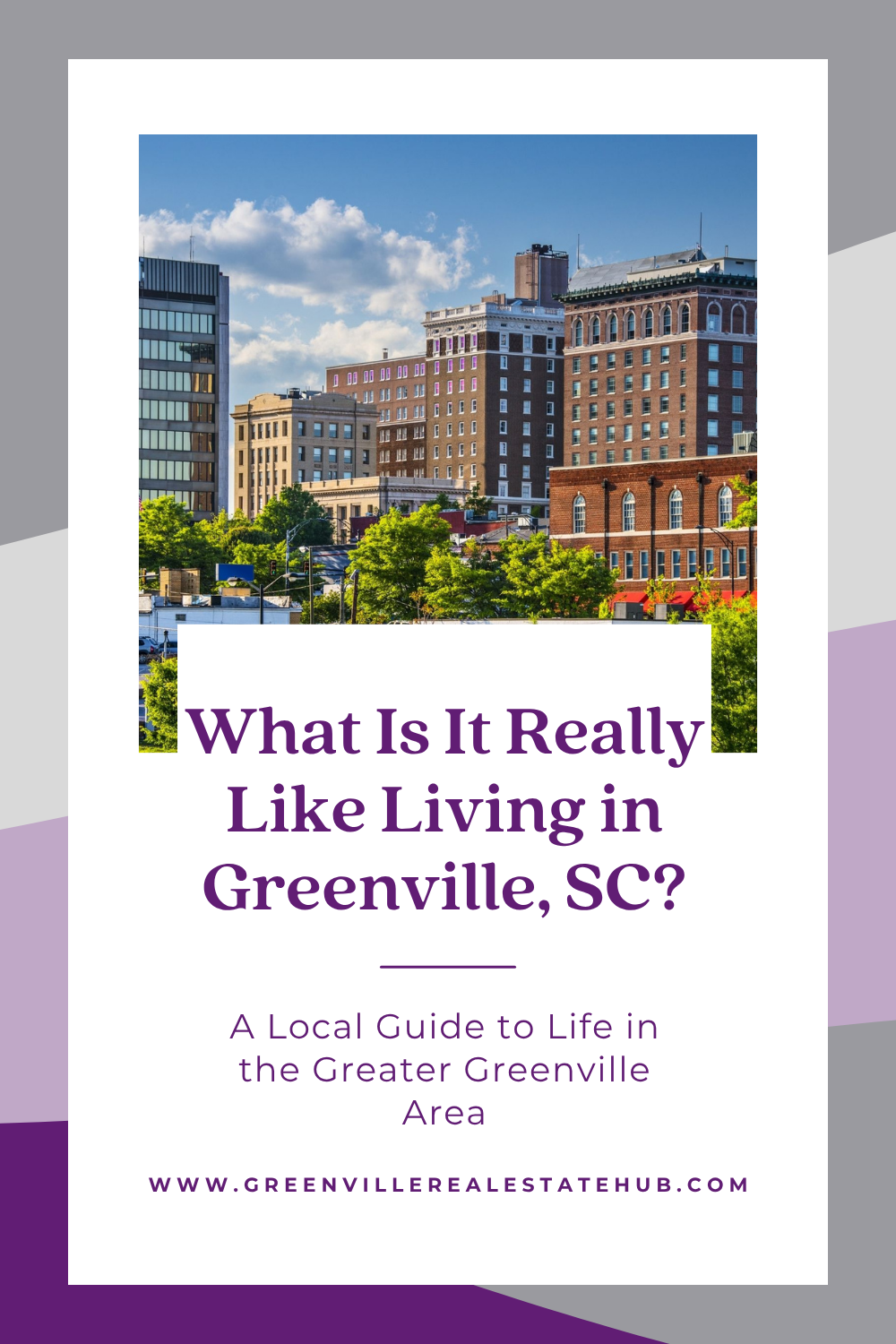
Major employment sectors include:

  • Advanced manufacturing
  • Automotive and engineering
  • Healthcare
  • Technology
  • Financial services
  • Education
  • Logistics and distribution
  • Professional services

Many residents also appreciate Greenville's location along the Interstate 85 corridor, providing convenient access to nearby cities such as Spartanburg, Anderson, and Clemson, as well as larger metropolitan areas including Charlotte and Atlanta.

For remote workers, Greenville offers a balance of modern amenities, coworking spaces, reliable infrastructure, and a variety of cafés and public spaces that make it easy to stay productive while enjoying the area's lifestyle.


Access to Healthcare and Everyday Services

Having quality healthcare nearby is an important consideration when choosing where to live.

The region is served by multiple healthcare providers, specialty practices, urgent care centers, and hospitals, giving residents access to a broad range of medical services.

In addition to healthcare, residents benefit from convenient access to:

  • Grocery stores
  • Retail shopping
  • Fitness centers
  • Libraries
  • Banks
  • Childcare services
  • Community centers
  • Public parks and recreation facilities

Whether you choose to live near Downtown Greenville or in one of the surrounding communities, you'll typically find that many everyday necessities are within a short drive.


A Community That Supports Different Lifestyles

One of Greenville's strengths is that it doesn't cater to just one type of resident. Instead, it offers a variety of communities and amenities that appeal to people in different stages of life.

Young Professionals

Many young professionals are drawn to Greenville for its growing job market, walkable downtown, expanding restaurant scene, and opportunities to connect through local events and recreational activities.

Growing Families

Families often appreciate the variety of neighborhoods, parks, youth sports programs, libraries, and educational opportunities available throughout the region. Having access to community events and outdoor spaces also contributes to an active family lifestyle.

Retirees

Many retirees choose Greenville because it offers a combination of recreational opportunities, healthcare access, cultural attractions, and a relatively convenient location for visiting family throughout the Southeast.

Remote Workers

As remote work has become more common, Greenville has become an appealing option for professionals seeking a community with modern amenities, outdoor recreation, and a balanced lifestyle without sacrificing access to services and entertainment.


Is Living in Greenville Right for You?

The answer depends on what you're looking for in your next community.

If you enjoy a balance of outdoor recreation, local businesses, community events, and a growing economy, Greenville may be an excellent fit. The area offers neighborhoods with different personalities, making it possible to find a location that aligns with your priorities, whether that's a walkable downtown, a suburban setting, or a community close to parks and trails.

Before deciding where to live, it's helpful to ask yourself questions such as:

  • What type of neighborhood fits my lifestyle?
  • How important is commute time?
  • What amenities do I want nearby?
  • Which recreational opportunities matter most to me?
  • Do I need easy access to schools, healthcare, or major employers?
  • What kind of community atmosphere am I looking for?

Taking time to answer these questions can help narrow your search and ensure the home you choose also supports the lifestyle you want.

Ready to see what's on the market? Browse current Greenville-area listings or schedule a call with our team to talk through your priorities — no pressure, just local expertise.


Planning Your Move to Greenville

If you've decided that Greenville could be the right place for your next chapter, the next step is understanding the home-buying process and preparing for your move.

Our How to Buy a Home When Relocating to Greenville SC: A Complete Guide for Out-of-State Buyers walks you through everything from getting pre-approved and exploring neighborhoods to making an offer and closing on your new home.

Whether you're moving from another part of South Carolina or across the country, planning ahead can make your relocation smoother and help you feel more confident throughout the buying process.

In the final section, we'll answer some of the most frequently asked questions about living in Greenville, summarize the key takeaways, and provide additional resources to help you continue your relocation journey.


Frequently Asked Questions About Living in Greenville, SC

Is Greenville, SC a good place to live?

Many people choose to live in Greenville because of its combination of vibrant city amenities, outdoor recreation, growing job opportunities, and welcoming communities. Whether you're a young professional, growing family, retiree, or remote worker, the region offers a variety of neighborhoods and lifestyles to explore.

Why are so many people moving to Greenville, SC?

Greenville continues to attract new residents thanks to its growing economy, diverse housing options, access to parks and trails, thriving downtown, and convenient location in the Upstate of South Carolina. Many buyers also appreciate the area's strong sense of community and wide range of recreational and cultural activities.

What is the cost of living like in Greenville?

The cost of living varies depending on your lifestyle, housing preferences, and the community you choose. Before relocating, it's important to evaluate your expected housing costs, utilities, transportation, healthcare, and other monthly expenses.

For a closer look at budgeting for a move, be sure to explore our relocation resources, including our articles on buying a home and planning your move.

Is Downtown Greenville a good place to live?

Downtown Greenville appeals to buyers who enjoy a walkable lifestyle with easy access to restaurants, shopping, entertainment, parks, and community events. Others may prefer nearby suburban communities that offer additional housing styles, larger lots, or a quieter residential setting while still providing convenient access to downtown.

The best location depends on your lifestyle, commuting needs, and personal preferences.

What types of homes are available in Greenville?

The region offers a wide variety of housing options, including:

  • Single-family homes
  • Townhomes
  • Condominiums
  • New construction communities
  • Established neighborhoods
  • Luxury homes
  • Homes with larger lots in surrounding communities

With so many options available, many buyers are able to find a home that aligns with their budget and lifestyle.

Is Greenville a good place for families?

Many families appreciate Greenville's parks, recreational facilities, community events, libraries, youth programs, and educational opportunities. Families considering a move should also research school districts, commute times, and nearby amenities as part of their home search.

If education is an important factor in your decision, we recommend reading our Guide to School Districts in Greenville County, SC: What Homebuyers Should Know for a detailed overview of the area's public, charter, and private school options.

What can I do after moving to Greenville?

One of the best parts of living in Greenville is exploring everything the area has to offer.

From walking through Falls Park on the Reedy and biking the Prisma Health Swamp Rabbit Trail to visiting local restaurants, festivals, farmers markets, and nearby mountain destinations, there's always something new to experience.

To help you get started, check out our Things to Do in Greenville SC After You Move: A New Resident's Guide to Exploring the Greater Greenville SC Area, where we share many of our favorite local attractions and activities.


Final Thoughts

Living in Greenville, SC means more than simply finding a place to live—it's about becoming part of a community that offers opportunities to work, explore, and enjoy everyday life.

Whether you're drawn to the area's walkable downtown, scenic parks, growing economy, diverse neighborhoods, or active community events, Greenville provides a lifestyle that appeals to many different types of homebuyers. While every person's experience is unique, taking time to explore the area, research neighborhoods, and understand your housing options will help you make a more informed decision about your move.

If you're still in the early stages of planning, our Moving to Greenville, SC: Complete Relocation Guide is a great next step. It covers neighborhoods, housing, relocation tips, and other essential information to help you prepare for life in the area.

If you're ready to begin your home search, our How to Buy a Home When Relocating to Greenville SC: A Complete Guide for Out-of-State Buyers walks you through the buying process, while our Guide to School Districts in Greenville County, SC: What Homebuyers Should Know can help families better understand local education options.

And once you've settled into your new home, don't forget to explore our Things to Do in Greenville SC After You Move: A New Resident's Guide to Exploring the Greater Greenville SC Area for ideas on how to experience everything this vibrant region has to offer.

Together, these resources are designed to help you move with confidence and feel at home here.

Whichever community ends up feeling like home, having the right local guidance can make the process a lot less overwhelming — which is where we come in.


Ready to Make Greenville Home?

Whether you're relocating from another state or moving from another part of South Carolina, having a knowledgeable local real estate team can make all the difference.

At PRODUCER Realty, we're committed to helping homebuyers navigate every step of the process—from exploring communities and understanding the local market to negotiating the right home and successfully closing on your purchase.

With local expertise, personalized guidance, and a commitment to putting your goals first, we're here to help you make a confident move.

Call us today at 864-438-5050 or check out our relocation guide to start your journey to the Greater Greenville area.

Receive Cash Offer on Your House ​Today!

Did you know that we have a cash offer platform? It's your gateway to ​make your home selling process ​convenient, providing you with opportunities. Don't miss out on the potential it offers – explore our cash offer platform today! ​Click here to request a cash offer for your home.


July 31, 2026

Guide to School Districts in Greenville County, SC: What Homebuyers Should Know

If you're planning to buy a home in the Greater Greenville SC area, researching school districts is likely one of the first items on your checklist. Whether you have school-aged children, are planning for the future, or simply want to understand the communities you're considering, learning how school districts are organized can help you make a more informed decision during your home search.

Greenville County is home to one of the largest public school systems in South Carolina, serving students across a wide range of communities. In addition to public schools, families can also explore charter schools, private schools, and specialized academic programs throughout the Upstate. Understanding how these options work—and how school attendance is determined—can help you navigate the home-buying process with greater confidence.

This guide provides an overview of school districts in Greenville County and nearby Upstate communities, explains how school assignments are determined, and highlights important factors to consider when searching for a home. Rather than ranking schools, our goal is to help you understand the educational landscape so you can conduct your own research and choose the option that best fits your family's needs.

Important: School attendance boundaries, enrollment procedures, transportation eligibility, and academic programs may change over time. Before purchasing a home, always verify school assignments and enrollment requirements directly with the applicable school district or school.


Why Understanding School Districts Matters When Buying a Home

For many homebuyers, schools are an important part of evaluating a community. Even if you don't currently have children, understanding the local school system can provide helpful context as you compare neighborhoods and plan for the future.

Researching school districts early in your home-buying journey can help you:

  • Identify which schools serve a particular address.
  • Understand available public, charter, and private school options.
  • Learn about transportation, attendance zones, and enrollment procedures.
  • Evaluate commute times between home, school, and work.
  • Compare communities based on the factors that matter most to your household.

School districts are just one piece of the puzzle when choosing where to live. You'll also want to consider factors such as your daily commute, nearby parks and recreation, shopping and dining, access to healthcare, and the overall lifestyle each community offers.

If you're relocating to the area, we recommend starting with our Moving to Greenville, SC: Complete Relocation Guide, which covers housing, neighborhoods, cost of living, and what to expect when making the move. You may also find our article How to Buy a Home When Relocating to Greenville, SC helpful as you prepare for your home search.


An Overview of School Districts in the Greater Greenville Area

One common misconception among relocating buyers is that every community around Greenville belongs to the same school district. In reality, the Greater Greenville area includes multiple public school districts, each serving different counties and municipalities.

The largest is Greenville County Schools, which serves most communities within Greenville County, including Greenville, Greer (partially), Mauldin, Simpsonville, Taylors, Travelers Rest, Fountain Inn (partially), and several surrounding areas.

Beyond Greenville County, nearby communities may be served by other districts, including those in Spartanburg County, Anderson County, Pickens County, and Laurens County. For example, a home in Easley is generally served by the School District of Pickens County, while homes in Spartanburg County follow the boundaries of the applicable Spartanburg County district.

Because school assignments are based on a property's physical address—not simply its mailing address or the nearest school—it's essential to verify which district serves a home before making an offer.

In addition to traditional public schools, many families also explore charter schools, private schools, magnet academies, and specialized academic programs throughout the Upstate. We'll discuss these options later in this guide so you can better understand the educational choices available across the region.


Greenville County Schools: An Overview

For families considering a move to the Upstate, Greenville County Schools (GCS) is an important place to begin. It is the largest public school district in South Carolina and serves students across much of Greenville County through a network of elementary, middle, and high schools.

Because the district covers a large geographic area, students may have access to different schools depending on where they live. Attendance zones are based on a home's physical address, so two homes located in different parts of Greenville County may be assigned to different schools—even if they share the same city or ZIP code.

Greenville County Schools serves many of the area's most well-known communities, including:

  • Greenville
  • Greer (portions within Greenville County)
  • Mauldin
  • Simpsonville
  • Taylors
  • Travelers Rest
  • Fountain Inn (portions within Greenville County)
  • Berea
  • Five Forks
  • Wade Hampton
  • Sans Souci
  • Slater-Marietta and several surrounding communities

If you're purchasing a home, it's always a good idea to verify the assigned schools using the property's address before submitting an offer.


Grade Levels Within Greenville County Schools

Like many public school systems, Greenville County Schools is organized into three primary levels:

  • Elementary Schools generally serve kindergarten through fifth grade.
  • Middle Schools typically serve grades six through eight.
  • High Schools generally serve grades nine through twelve.

Some schools or programs may have specialized grade configurations, so families should confirm the details for the schools serving their address.


Academic Programs and Learning Opportunities

Greenville County Schools offers a variety of educational opportunities designed to meet different learning styles, interests, and career goals.

Depending on eligibility and availability, students may have access to programs such as:

  • Magnet academies
  • Fine arts programs
  • STEM (Science, Technology, Engineering, and Mathematics) opportunities
  • Career and technical education
  • Advanced Placement (AP) courses
  • Dual enrollment opportunities
  • Gifted and talented programs
  • International Baccalaureate (IB) programs at select schools

Because academic offerings vary by school and may change over time, families should review the latest information directly through Greenville County Schools when researching educational options.


Transportation Services

Greenville County Schools provides transportation for many eligible students. Bus routes, eligibility requirements, and transportation policies are determined by the district and may vary depending on where a student lives.

If transportation is an important consideration for your family, be sure to verify bus availability, estimated ride times, and any applicable requirements before purchasing a home.


School Calendars and Enrollment

Families relocating to Greenville should also become familiar with the district's academic calendar, enrollment process, and registration requirements.

Enrollment generally requires documentation such as proof of residency, immunization records, birth certificates, and other required forms. Because enrollment procedures may change, it's best to consult the district directly for the most current requirements before your move.

Planning ahead can help make the transition to a new school smoother for both parents and students.

Visit Greenville County School District for more information about the school calendars and enrollment.


Nearby School Districts Serving the Greater Greenville Area

Although Greenville County Schools serves much of the county, not every home in the Greater Greenville area falls within its boundaries. Several neighboring counties have their own public school districts, and it's important for homebuyers to understand where those boundaries begin and end.

If you're searching for homes outside Greenville County, you may encounter one of the following districts.

Spartanburg County School Districts

Communities east of Greenville—including portions of Greer, Duncan, Lyman, Wellford, and other nearby areas—may be served by one of Spartanburg County's public school districts.

Unlike Greenville County, Spartanburg County is divided into multiple districts, each serving specific geographic areas. The district assigned to a property depends on its location within the county.

School District of Pickens County

If you're considering communities such as Easley, Liberty, Pickens, or Clemson, the home you're purchasing will generally be served by the School District of Pickens County.

Many buyers appreciate the area's convenient access to both Greenville and the mountains, making Pickens County a popular choice for those seeking a balance between outdoor recreation and city amenities.

Anderson School Districts

Buyers exploring communities such as Anderson, Powdersville, or Belton may be served by one of Anderson County's public school districts.

As with Spartanburg County, Anderson County is divided into multiple districts, so it's important to verify school assignments based on the property's address.

Laurens County School Districts

For buyers interested in communities such as Laurens, Clinton, or portions of Fountain Inn located within Laurens County, public schools are administered through Laurens County's school districts.

These communities offer another option for buyers who want to live within commuting distance of Greenville while enjoying a different pace of life.


Why County Lines Matter

One of the most common surprises for relocating buyers is learning that a city's mailing address doesn't always determine its school district.

For example:

  • A home with a Greer mailing address could be located in Greenville County or Spartanburg County.
  • A Fountain Inn address may fall within Greenville County or Laurens County

Nearby communities may have similar mailing addresses but belong to entirely different public school districts.

That's why it's important to verify the specific school assignments for any property you're considering rather than assuming they're based on the city name alone.

Understanding how county and district boundaries work can help you avoid surprises and make more informed decisions as you narrow your home search.


How to Find Which School Serves a Home

One of the most important steps in your home-buying journey is confirming which schools are assigned to a property. While online real estate listings may display nearby schools, those listings should not be considered the final source for school assignments.

School attendance zones are based on official district boundaries and can change over time. Before submitting an offer on a home, take the time to verify the assigned schools directly with the applicable school district.

Here are a few steps that can help:

1. Use the School District's School Locator Tool

Many school districts provide online tools that allow you to enter a property's address to determine its assigned elementary, middle, and high schools.

These tools are often the quickest way to verify attendance zones and can help you avoid relying on outdated or inaccurate third-party information.

2. Contact the School District Directly

If you're unsure about a property's school assignment, reach out to the district's enrollment office. District staff can confirm attendance zones, explain enrollment procedures, and answer questions about transportation or available programs.

3. Verify Before Closing

School boundaries may change as communities grow and new schools open. Even if you've confirmed a property's assigned schools during your home search, it's a good idea to verify them again before closing, especially if your purchase timeline spans several months.

4. Ask Questions During Your Home Search

Your real estate professional can help you identify the appropriate resources for verifying school assignments and point you toward official district information. However, because school boundaries and policies can change, the school district should always be the final authority.


Public, Charter, and Private Schools: Understanding Your Options

Families moving to the Greater Greenville area have several educational options to consider. Understanding the differences can help you decide which environment best fits your child's needs and your family's priorities.

Public Schools

Public schools are funded through state and local resources and serve students who live within designated attendance zones. Most families purchasing a home in Greenville County will be assigned to a public school based on the property's address.

Public schools offer a wide range of academic programs, athletics, arts, clubs, and extracurricular activities.

Charter Schools

Charter schools are public schools that operate under a charter agreement and often focus on a particular educational approach or area of study. Admission requirements and enrollment procedures vary by school, and some charter schools may use lotteries when applications exceed available seats.

If you're interested in a charter school, be sure to review its admission process, eligibility requirements, and application deadlines.

Private Schools

The Greater Greenville area is home to a variety of private schools representing different educational philosophies, religious affiliations, and grade levels.

Because private schools establish their own admissions requirements, tuition, and enrollment timelines, families should contact each school directly for the most up-to-date information.


Looking Beyond School Ratings

When researching schools, it's easy to focus primarily on ratings or rankings. While these resources may be part of your research, they shouldn't be the only factor you consider.

Every family has different priorities, and what's important to one household may not be the deciding factor for another.

As you evaluate your options, consider questions such as:

  • Does the school offer academic programs that align with your child's interests?
  • What extracurricular activities, athletics, arts, or clubs are available?
  • How long will your child's daily commute be?
  • Are before- and after-school programs available if needed?
  • What transportation options are offered?
  • Does the school's calendar work well with your family's schedule?
  • What support services are available for students?

Taking a broader approach can help you choose a community that supports your family's overall lifestyle rather than focusing on a single metric.


How School Districts Fit Into Your Home Search

Schools are one piece of the home-buying process, but they should be considered alongside many other lifestyle factors.

When evaluating neighborhoods, think about how the location will support your daily routine. Questions worth asking include:

  • How far is the commute to work?
  • Are grocery stores, healthcare providers, and everyday services nearby?
  • Are there parks, trails, libraries, and recreational facilities close to home?
  • Does the neighborhood offer the type of environment you're looking for?
  • Will the location continue to meet your family's needs over the coming years?

Choosing a home is about finding a place that supports your lifestyle as well as your housing goals.

If you're still exploring different communities, our article What to Look for in a Neighborhood When Buying a Home offers additional guidance on evaluating neighborhoods beyond the home itself.


Questions Every Homebuyer Should Ask Before Purchasing

Whether you're moving across town or relocating from another state, asking the right questions early can help you make informed decisions.

Consider asking:

  • Which public schools serve this address?
  • Are there charter or private schools nearby that fit our needs?
  • How are school assignments verified?
  • What documents will be required for enrollment?
  • Is transportation available for this address?
  • How long is the typical commute to school?
  • What extracurricular programs are available?
  • Are there future development plans that could affect attendance boundaries?

Having answers to these questions before closing can help reduce surprises after you move and make the transition easier for your family.


Why This Research Matters for Relocating Families

If you're relocating to the Greater Greenville area, researching schools before purchasing a home can provide greater confidence throughout the buying process.

By understanding attendance zones, exploring the different educational options available, and verifying school assignments through official sources, you'll be better prepared to choose a home that aligns with your family's goals.

Combined with researching neighborhoods, commute times, local amenities, and community lifestyle, school district information becomes another valuable piece of making an informed home-buying decision.


Frequently Asked Questions About School Districts in Greenville County, SC

Which school district serves Greenville, SC?

Most homes within Greenville County are served by Greenville County Schools, the largest public school district in South Carolina. However, some communities in the Greater Greenville area are located in neighboring counties and may be served by districts in Spartanburg, Anderson, Pickens, or Laurens counties. Always verify the school district based on the property's physical address.

How do I find which school serves a specific home?

The most reliable way is to use the official school district's school locator or attendance zone tool. You can also contact the district's enrollment office directly to verify school assignments before purchasing a home.

Can school attendance boundaries change?

Yes. School attendance zones may change as communities grow, enrollment shifts, or new schools open. Before closing on a home, confirm the current attendance boundaries with the applicable school district.

Are there charter schools in the Greater Greenville area?

Yes. Families in the Greater Greenville area have access to charter schools in addition to traditional public schools. Each charter school has its own enrollment process, eligibility requirements, and application deadlines, so it's important to research individual schools directly.

Are private schools available in Greenville?

Yes. The Greater Greenville area offers a variety of private schools with different educational philosophies, religious affiliations, and grade levels. Families should contact individual schools for information about admissions, tuition, and enrollment.

What documents are typically required to enroll a child in public school?

Requirements may vary by district, but families are commonly asked to provide:

  • Proof of residency
  • Birth certificate
  • Immunization records
  • Parent or guardian identification
  • Previous school records, when applicable

Always verify current enrollment requirements with the school district before your move.

Should I choose a home based only on school ratings?

School ratings can be one part of your research, but they shouldn't be the only factor. It's also important to consider commute times, extracurricular opportunities, transportation, neighborhood amenities, future plans for your household, and the overall lifestyle a community offers.


Final Thoughts

Researching school districts is an important part of preparing to buy a home in the Greater Greenville area. Whether you're relocating from another state or moving within Upstate South Carolina, understanding how school districts are organized can help you make more informed decisions throughout your home search.

Take time to verify attendance zones, explore the educational options available, and consider how each community aligns with your family's priorities. While schools are an important consideration, they're just one part of finding a neighborhood that supports your lifestyle, commute, recreational interests, and long-term goals.

If you're planning a move, don't stop your research here. We also recommend exploring these helpful resources:

Together, these guides will give you a well-rounded understanding of what it's like to buy a home and build a life in the Greater Greenville area.


Ready to Start Your Home Search?

If you're considering a move to Greenville or anywhere in the Greater Greenville Upstate South Carolina, we're here to help. We combine local market knowledge with experienced negotiation strategies to help buyers make confident, informed decisions throughout the home-buying process.

Whether you're relocating from across the country or moving from another part of South Carolina, we'd be happy to answer your questions, help you understand the local market, and guide you every step of the way.

Call us at 864-438-5050 or schedule a call to begin your home-buying journey.


Receive Cash Offer on Your House ​Today!

Did you know that we have a cash offer platform? It's your gateway to ​make your home selling process ​convenient, providing you with opportunities. Don't miss out on the potential it offers – explore our cash offer platform today! ​Click here to request a cash offer for your home.


July 16, 2026

Greater Greenville SC Real Estate Market Update for July 2026

If you're planning to buy or sell a home this year, staying informed about the latest Greenville SC real estate market trends can help you make better decisions. While the national housing market continues to show signs of steady improvement, the Greater Greenville Upstate SC area remains active with increasing inventory, more pending sales, and stable home prices.

Here's a closer look at this month's Greenville SC housing market update, what the latest numbers mean, and how buyers and sellers can take advantage of today's market conditions.


U.S. Real Estate Market Continues to Gain Momentum

The national housing market posted another month of positive activity. According to the National Association of REALTORS®, existing-home sales increased by 3.2% from the previous month and were also up 3.2% compared to the same time last year. Sales reached a seasonally adjusted annual rate of 4.17 million homes, marking the strongest pace since December 2025.

The gains were widespread across much of the country. Home sales increased month-over-month in the Northeast, Midwest, and South, while remaining steady in the West. Compared to one year ago, sales improved in the Midwest, South, and West but declined slightly in the Northeast.

Housing inventory also continued to improve. There were 1.55 million homes available for sale heading into June, representing a 3.3% increase from the previous month and a 0.6% increase year over year. At the current sales pace, the national market now has a 4.5-month supply of homes.

Home values remained resilient despite the growing inventory. The national median existing-home price reached $429,300, setting a record high for the month and increasing 1.3% from last year. These figures demonstrate that buyer demand remains healthy while inventory slowly moves toward a more balanced market.

For anyone following U.S. real estate market trends, these numbers suggest a market that continues to normalize while maintaining steady price appreciation.


Greenville SC Real Estate Market Update

The Greenville SC real estate market also continued to perform well this month with encouraging signs for both buyers and sellers.

New listings increased by 2.9%, bringing a total of 2,520 homes to the market. More homeowners are choosing to sell, giving buyers additional opportunities and more homes to compare during their search.

Pending sales experienced one of the strongest improvements, rising 11.5% to 1,772 homes. This increase indicates that buyer demand remains active even as more inventory becomes available.

Inventory continued its upward trend, growing 12.0% to 6,269 available homes. More inventory generally creates a healthier marketplace by giving buyers more choices while reducing some of the intense competition seen over the past several years.

The Greenville SC median home price remained unchanged at $330,000. Stable pricing suggests the market continues to find balance between buyer demand and available inventory.

Homes are also taking a bit longer to sell. The average Days on Market increased 20.9% to 52 days. Although properties are spending more time on the market than last year, well-priced homes in desirable neighborhoods are still attracting qualified buyers.

The market's absorption rate increased 5.1% to 4.1 months. While this is higher than previous years, it still falls within what many real estate professionals consider a relatively balanced market, where neither buyers nor sellers have a significant advantage.

Overall, this month's Greenville SC housing market update points toward a healthier and more balanced environment than what buyers and sellers experienced during the highly competitive pandemic years.


What This Means for Home Buyers

If you've been waiting for the right opportunity to purchase a home, today's Greenville SC real estate market offers several advantages.

The increase in available homes means buyers have more options than they did a year ago. Instead of feeling pressured to make immediate decisions, many buyers now have additional time to compare neighborhoods, evaluate properties, and negotiate favorable terms.

With homes remaining on the market longer, buyers may also find greater flexibility during negotiations. Depending on the property, there may be opportunities to request seller concessions, negotiate repairs, or receive assistance with closing costs.

Although mortgage rates continue to influence affordability, the combination of stable home prices and increased inventory gives buyers a stronger position than they have had in recent years. Working with an experienced local REALTOR® can help buyers identify opportunities as new listings continue entering the market.


What This Means for Home Sellers

For homeowners considering selling, the news remains encouraging.

Buyer demand is still strong, as reflected by the significant increase in pending sales. Homes continue to sell, but buyers have become more selective because they have more choices available.

Pricing your home accurately has become increasingly important. While the median sales price has remained stable, buyers are carefully comparing homes before making offers. Properties that are priced appropriately and presented well are generally attracting more attention.

Preparing your home before listing can also make a meaningful difference. Professional photography, thoughtful staging, and strategic marketing can help your property stand out in a market with growing inventory.

The good news is that home values remain stable, giving many sellers the opportunity to maximize their equity while buyer demand continues.


Final Thoughts on the Greenville SC Housing Market

This month's Greenville SC housing market reflects a market that continues moving toward balance. Inventory is improving, buyer activity remains healthy, and home prices have stayed stable despite the increase in available homes.

Whether you're planning to buy your first home, upgrade to a larger property, downsize, or sell your current home, understanding current market conditions is essential to making informed decisions.

Every real estate transaction is unique, and local expertise can make all the difference. If you're thinking about buying or selling in Greenville or anywhere in the Upstate, our team is here to guide you every step of the way.

Ready to make your next move? Call us at 864-438-5050 or schedule a call to discuss your real estate goals. We'd be happy to answer your questions, explain today's market conditions, and help you create a strategy that's right for you.


WATCH THE FULL MARKET UPDATE


Receive Cash Offer on Your House ​Today!

Did you know that we have a cash offer platform? It's your gateway to ​make your home selling process ​convenient, providing you with opportunities. Don't miss out on the potential it offers – explore our cash offer platform today! ​Click here to request a cash offer for your home.


July 14, 2026

Things to Do in Greenville SC After You Move: A New Resident's Guide to Exploring the Greater Greenville SC Area

Moving to a new city is about more than unpacking boxes and learning your daily commute—it's about creating a life in a place you'll soon call home. One of the best ways to settle into the Greater Greenville SC area is by getting out and exploring everything the Upstate has to offer.

Whether you've relocated for a new job, to be closer to family, or simply for a fresh start, Greater Greenville Upstate SC offer something for everyone. From the vibrant atmosphere of downtown to scenic parks, award-winning restaurants, seasonal festivals, and charming neighboring towns, there's no shortage of ways to connect with your new community.

This guide highlights some of the best things to do after moving to Greenville, SC, helping you discover local favorites, hidden gems, and experiences that make living in the Upstate so rewarding.


Start by Exploring Downtown Greenville

If there's one place every new resident should visit, it's Downtown Greenville. Often considered the heart of the city, downtown combines historic charm with modern amenities, making it a favorite destination for locals and visitors alike.

Spend an afternoon strolling along Main Street, where you'll find locally owned boutiques, coffee shops, art galleries, and outdoor dining. The walkable streets make it easy to explore at your own pace, whether you're meeting friends for lunch, shopping, or simply enjoying the atmosphere.

One of downtown's most iconic attractions is Falls Park on the Reedy. This beautiful park features landscaped gardens, walking paths, public art, and the famous Liberty Bridge—a unique pedestrian suspension bridge overlooking the cascading Reedy River Falls. It's a great place to take a leisurely walk, enjoy a picnic, or introduce visiting friends and family to one of Greenville's most recognizable landmarks.

Downtown is also home to a variety of entertainment options. Depending on the time of year, you can catch live music, browse local markets, enjoy outdoor performances, or attend one of the many community events hosted throughout the year. Whether you're looking for a relaxed afternoon or a lively evening out, downtown offers something for every lifestyle.

Be sure to explore our Weekend Guide to Downtown Greenville: Food, Fun, and Local Finds for even more recommendations on restaurants, attractions, and hidden gems to add to your weekend plans.


Get Outside and Experience Greenville's Parks and Trails

One of the biggest reasons people enjoy living in the Upstate is the easy access to outdoor recreation. Greenville offers a variety of parks, trails, and green spaces where residents can stay active, unwind, and enjoy the area's natural beauty.

A great place to start is the Prisma Health Swamp Rabbit Trail, a multi-use greenway that stretches for miles through Greenville County. Popular with walkers, runners, and cyclists, the trail connects several communities and passes parks, local businesses, and scenic river views along the way. It's also a fun way to explore parts of the area you might not otherwise discover.

For families, parks provide excellent opportunities to spend time outdoors while children enjoy playgrounds, open fields, and recreational facilities. Couples and retirees often appreciate peaceful walking paths, picnic areas, and opportunities for birdwatching or photography.

Some popular parks to add to your list include:

  • Falls Park on the Reedy – A downtown favorite known for its waterfalls, gardens, and Liberty Bridge.
  • Unity Park – A newer community gathering space featuring playgrounds, walking trails, splash areas, and event spaces.
  • Cleveland Park – One of Greenville's largest parks with tennis courts, sports fields, playgrounds, and access to the Swamp Rabbit Trail.
  • Paris Mountain State Park – Just minutes from downtown, this state park offers hiking trails, mountain biking, fishing, kayaking, and seasonal swimming.
  • Conestee Nature Preserve – A peaceful destination featuring boardwalks, wetlands, wildlife viewing, and miles of nature trails.

Exploring these outdoor spaces is a great way to become familiar with different parts of the Greater Greenville SC area while enjoying an active lifestyle. Many residents quickly discover that easy access to parks and trails becomes one of their favorite aspects of living here.

Looking for even more outdoor destinations? Check out our guide to the Top Parks and Recreational Areas in Greenville, SC, where we highlight additional parks, trails, and recreational opportunities throughout the region.


Experience Greenville's Thriving Food Scene

One of the quickest ways to feel at home in a new city is by exploring its local restaurants. Fortunately, Greenville SC has earned a reputation as one of the Southeast's top dining destinations, offering everything from Southern comfort food and farm-to-table cuisine to international flavors and craft breweries.

Instead of sticking to familiar chain restaurants, challenge yourself to try a new local spot each week. It's a fun way to discover the community while supporting local businesses.

If you're just getting started, here are a few experiences worth adding to your list:

Enjoy a Meal Along Main Street

Downtown Greenville is home to a diverse collection of locally owned restaurants, cafés, and rooftop dining spots. Whether you're grabbing brunch with friends, celebrating a special occasion, or enjoying a casual dinner after work, Main Street offers plenty of options within walking distance.

Dining downtown also gives you the opportunity to explore nearby shops, public art installations, and Falls Park before or after your meal.

Visit Local Coffee Shops

Working remotely or simply looking for a relaxing place to unwind? Greenville's independent coffee shops are great places to read, work, or meet new people. Many host community events, live music, or feature artwork from local artists, making them ideal gathering spots for newcomers.

Explore Farmers Markets

Shopping at a local farmers market is another great way to connect with the community. You'll find fresh produce, baked goods, handmade products, flowers, and locally crafted items while supporting small businesses throughout the Upstate.

It's also an excellent opportunity to meet local vendors and discover seasonal ingredients that showcase the region's agricultural roots.

Discover Breweries and Local Gathering Places

If you enjoy craft beverages, Greenville and the surrounding Upstate feature a growing number of breweries and taprooms that regularly host trivia nights, food trucks, live music, and community events. These welcoming spaces are popular places to socialize and experience the local culture.

Looking for restaurant recommendations? Explore our guide, Savoring the Upstate: A Culinary Tour of Greenville & Upstate SC's Best Restaurants, to discover some of the area's most popular dining destinations.


Attend Festivals and Community Events Throughout the Year

One of the things many new residents appreciate most about Greenville SC is its strong sense of community. Throughout the year, the area hosts festivals, concerts, art shows, holiday celebrations, and family-friendly events that bring people together.

Attending these events is one of the easiest ways to experience the local culture, meet your neighbors, and create lasting memories.

Some annual favorites include:

Artisphere

Each spring, downtown Greenville transforms into a vibrant outdoor arts festival featuring nationally recognized artists, live performances, interactive exhibits, and local food vendors. Whether you're an art enthusiast or simply enjoy spending time outdoors, Artisphere is a must-visit event.

Euphoria

Food lovers won't want to miss Euphoria, Greenville's annual food, wine, and music festival. This multi-day celebration highlights talented chefs, local restaurants, wineries, and live entertainment, making it one of the region's premier culinary events.

Fall for Greenville

As one of Greenville's largest annual festivals, Fall for Greenville fills Main Street with live music, food vendors, local restaurants, and entertainment for all ages. It's a fantastic introduction to the city's vibrant downtown atmosphere.

Holiday Events

During the holiday season, Greenville comes alive with festive lights, seasonal markets, ice skating, parades, and special performances. Whether you're new to the area or welcoming visiting family members, these events offer plenty of opportunities to celebrate and enjoy the season.

Even smaller neighborhood events, outdoor concerts, and community markets can help you feel more connected to your new home. Keep an eye on local event calendars so you don't miss what's happening throughout the year.

Discover even more local traditions in our guide to 5 Can't-Miss Annual Events in Greenville, SC.


Explore Beyond Downtown Greenville

While downtown is often the first stop for newcomers, the Greater Greenville area includes several unique communities that are well worth exploring. Spending time in these neighboring towns can help you discover new restaurants, parks, shops, and attractions while giving you a better sense of everything the Upstate has to offer.

Travelers Rest

Located just north of Greenville, Travelers Rest has become a favorite destination for outdoor enthusiasts and those who enjoy a slower pace of life. The Swamp Rabbit Trail runs directly through town, making it a popular stop for cyclists and walkers.

Its charming downtown features local restaurants, coffee shops, boutiques, and regular community events that create a welcoming small-town atmosphere.

Greer

Greer offers a blend of historic charm and modern conveniences. Its revitalized downtown includes locally owned shops, restaurants, and public gathering spaces, while nearby parks and recreational facilities provide plenty of opportunities to enjoy the outdoors.

Many residents appreciate Greer's convenient location between Greenville and Spartanburg, making it an attractive place to live and explore.

Simpsonville

Often recognized for its family-friendly neighborhoods and growing amenities, Simpsonville offers shopping centers, local restaurants, parks, and community events throughout the year. It's a great place to spend an afternoon exploring while getting a feel for another popular part of the Greater Greenville SC area.

Easley

West of Greenville, Easley combines small-town charm with convenient access to the city. Visitors can enjoy local parks, restaurants, community events, and nearby outdoor recreation, making it another worthwhile destination for new residents looking to experience different parts of the Upstate.

As you explore these communities, you'll gain a better understanding of the diverse lifestyles available throughout the region. You may even discover that one area feels more like home than another—a valuable insight if you're still deciding where you'd like to put down long-term roots.


Get Involved in the Community

Exploring Greenville SC's attractions is just the beginning. One of the best ways to truly feel at home is by becoming part of the community.

Whether you've moved across the state or across the country, getting involved can help you build friendships, establish routines, and feel connected to your new surroundings much more quickly.

Here are a few ways to get started:

Join Local Groups and Clubs

No matter your interests, chances are you'll find a group that shares them. Consider joining a local running club, cycling group, hiking organization, book club, pickleball league, or volunteer organization. Many groups welcome newcomers and regularly host meetups throughout the Greater Greenville area.

Support Local Businesses

Instead of visiting the same national chains, make it a goal to explore locally owned shops, cafés, restaurants, and markets. Not only will you discover unique places, but you'll also help support the small businesses that contribute to Greenville's vibrant community.

Volunteer for a Local Cause

Volunteering is a meaningful way to meet people while giving back. Greenville is home to numerous nonprofit organizations that welcome volunteers throughout the year, whether you're passionate about education, environmental conservation, animal welfare, or community outreach.


Stay Connected Through Community Calendars

Local event calendars, neighborhood associations, and community organizations regularly share information about concerts, workshops, outdoor movies, fitness classes, and seasonal celebrations. Checking these resources can help you stay informed about upcoming events and discover new experiences throughout the year.


Find Activities for Every Stage of Life

One of Greenville SC's greatest strengths is its ability to appeal to people in every stage of life. Whether you're relocating with young children, starting your career, working remotely, or enjoying retirement, you'll find activities that match your lifestyle.

Families

Families can spend weekends visiting local parks, playgrounds, children's museums, libraries, and seasonal festivals. Outdoor recreation, youth sports, and community events provide plenty of opportunities for children to stay active while parents connect with other families.

Young Professionals

Greenville SC's growing downtown, expanding dining scene, coffee shops, breweries, networking events, and outdoor recreation make it an appealing place for young professionals. Many enjoy the balance between career opportunities and an active lifestyle.

Remote Workers

Working from home doesn't mean staying home all the time. Greenville offers welcoming coffee shops, coworking spaces, scenic parks, and walking trails that provide excellent opportunities to change your environment and maintain a healthy work-life balance.

Retirees

Retirees appreciate Greenville's mild climate, beautiful parks, golf courses, cultural attractions, volunteer opportunities, and strong sense of community. The area's walkable downtown and variety of recreational activities make it easy to stay active and engaged.


Why Lifestyle Matters When Choosing a Neighborhood

If you're still in the process of buying a home, exploring Greenville before making your final decision can be incredibly valuable.

A neighborhood is about much more than the house itself. Your daily experience will also be shaped by nearby parks, restaurants, shopping, schools, commute times, recreational opportunities, and community events.

As you visit different parts of the Greater Greenville area, pay attention to questions like:

  • Does this area match my lifestyle?
  • Can I easily access the activities I enjoy most?
  • How important is walkability?
  • Do I prefer a quieter suburban setting or a more vibrant downtown atmosphere?
  • Will this neighborhood continue to meet my needs in the years ahead?

Taking the time to explore before purchasing a home can give you greater confidence that you're choosing not just the right property, but the right community.

Before narrowing your search, check out our guide on What to Look for in a Neighborhood When Buying a Home to help evaluate the factors that matter most.


Frequently Asked Questions

What are the first places new residents should visit in Greenville, SC?

Many newcomers begin by exploring Downtown Greenville, Falls Park on the Reedy, the Prisma Health Swamp Rabbit Trail, and local restaurants along Main Street. These attractions offer a great introduction to the area's culture, outdoor spaces, and community atmosphere.

What are some free things to do in Greenville?

There are plenty of free activities to enjoy, including walking through Falls Park, biking or walking the Swamp Rabbit Trail, visiting local farmers markets, attending many seasonal festivals, exploring Unity Park, and enjoying community events held throughout the year.

Is Greenville, SC a good place for outdoor enthusiasts?

Yes. The Greater Greenville area offers an abundance of outdoor recreation, including hiking, cycling, kayaking, fishing, state parks, nature preserves, and miles of walking trails. Many residents appreciate having easy access to both urban amenities and scenic natural areas.

Are there activities for families in Greenville?

Absolutely. Families can enjoy parks, playgrounds, museums, seasonal festivals, outdoor concerts, sports leagues, and numerous family-friendly community events throughout the year.

What towns should I explore near Greenville?

In addition to Downtown Greenville, many new residents enjoy visiting Travelers Rest, Greer, Simpsonville, Easley, and other communities throughout the Upstate. Each offers its own unique character, attractions, restaurants, and lifestyle.


Start Making Greenville Feel Like Home

Moving to a new city is an exciting opportunity to build new routines, discover favorite places, and become part of a thriving community. Fortunately, the Greater Greenville SC area offers countless ways to do exactly that.

Whether you're walking through Falls Park, exploring the Swamp Rabbit Trail, trying a new locally owned restaurant, attending one of the area's annual festivals, or spending the afternoon discovering a neighboring town, every experience helps you feel more connected to your new home.

If you're still searching for the perfect place to live—or you're planning your move to the Greater Greenville SC area—we're here to help. Our local market knowledge and negotiation expertise can help you find a home that fits your lifestyle, priorities, and long-term goals.

Call us at 864-438-5050 or schedule a consultation to start your home-buying journey with confidence.

Also read Moving to Greenville SC: The Complete Relocation Guide to Greater Greenville Upstate South Carolina for more information about moving to Greenville SC.


Receive Cash Offer on Your House ​Today!

Did you know that we have a cash offer platform? It's your gateway to ​make your home selling process ​convenient, providing you with opportunities. Don't miss out on the potential it offers – explore our cash offer platform today! ​Click here to request a cash offer for your home.