_How_to_Buy_a_Home_When_Relocating_to_Greenville_SC_A_Complete_Guide_for_Out-of-State_Buyers.jpg)
Relocating to a new city is an exciting opportunity, but buying a home from hundreds—or even thousands—of miles away can feel overwhelming.
Unlike local buyers who can easily visit neighborhoods, attend open houses, or drive by a property after work, relocation buyers often have to make important decisions from a distance. You're researching communities you've never lived in, comparing homes online, coordinating a move across state lines, and trying to make one of the biggest financial decisions of your life—all while keeping your timeline on track.
The good news is that you're not alone.
Every year, families, retirees, young professionals, and remote workers relocate to the Greater Greenville Upstate SC from across the country. Many of them successfully purchase a home before—or shortly after—their move by following a clear plan and working with local professionals who understand both the market and the unique challenges of long-distance relocation.
Greenville SC has become one of the Southeast's most desirable places to live thanks to its growing economy, vibrant downtown, beautiful outdoor spaces, diverse housing options, and exceptional quality of life. Whether you're moving for a new job, looking to be closer to family, retiring, or simply searching for a fresh start, the Upstate offers communities that appeal to a wide variety of lifestyles.
Buying a home while relocating does come with a few extra considerations, but it doesn't have to be stressful.
With the right preparation, a clear understanding of the home-buying process, and guidance from local experts, you can make informed decisions with confidence—even if you're purchasing your next home from another state.
Quick Answer
If you're relocating to Greenville SC, the best approach is to begin planning early, get pre-approved for a mortgage before you start house hunting, learn about the different communities throughout the Upstate, and work with a local real estate professional who understands the needs of out-of-state buyers.
Many relocation buyers successfully purchase homes using virtual tours, video walkthroughs, electronic signatures, and online communication tools. However, taking time to understand the local market, compare neighborhoods, and coordinate your financing and moving timeline can make the process significantly smoother.
In this guide, we'll walk you through every step of buying a home when relocating to Greenville—from planning your move and exploring neighborhoods to making an offer, navigating inspections, and closing on your new home. Along the way, we'll also highlight common mistakes to avoid so you can relocate with confidence and focus on what matters most: finding the right home and community for your next chapter.
Step 1: Start Planning Your Move as Early as Possible
 One of the biggest advantages you can give yourself when relocating to Greenville SC is time.
Unlike buying a home in a city where you already live, relocating requires you to coordinate two major life events at the same time: purchasing a home and moving to a new community. Starting your planning early gives you more flexibility, reduces stress, and helps you make better decisions throughout the process.
Whenever possible, begin preparing several months before your anticipated move. This gives you time to research the Greenville area, explore financing options, compare neighborhoods, and create a relocation plan that aligns with your personal and professional timeline.
Many out-of-state buyers find that the earlier they begin planning, the more confident they feel when it's time to make an offer.
Define Your Relocation Timeline
Every relocation looks a little different.
Some buyers are moving because they've accepted a new job and need to relocate within a matter of weeks. Others may be planning a retirement move, relocating to be closer to family, or simply taking advantage of the flexibility that comes with remote work.
Before you begin browsing homes online, establish a realistic timeline by asking yourself a few important questions:
- When do I need to be in Greenville?
- Do I need to sell my current home before buying another?
- Will I need temporary housing during the transition?
- How much flexibility do I have if my move-in date changes?
Knowing the answers to these questions will help you create a realistic home-buying strategy and avoid unnecessary pressure later in the process.
Establish Your Budget Beyond the Purchase Price
One of the most common mistakes relocation buyers make is focusing only on the price of the home.
In reality, relocating involves several additional expenses that should be included in your planning.
Depending on your situation, your budget may also need to account for:
- Moving company or shipping costs
- Temporary housing or hotel stays
- Utility connection fees and deposits
- Travel expenses for house-hunting trips
- Home inspections and closing costs
- Storage fees, if your move-in and move-out dates don't align
- Initial home improvements or furnishings
Planning for these expenses ahead of time helps you avoid surprises and gives you a more accurate picture of your overall relocation costs.
Learn more about the cost of purchasing homes in the Greater Greenville Upstate SC in our blog post: How Much Do I Really Need When Buying A Home in Greater Greenville SC?
Identify Your Must-Haves and Nice-to-Haves
Before you start scheduling home tours or browsing listings, take some time to think about how you want to live—not just what you want your house to look like.
Ask yourself:
- How many bedrooms and bathrooms do we truly need?
- Do we need a dedicated home office?
- Is a large backyard important?
- How much space do we want to maintain?
- Would we rather be closer to downtown or in a quieter suburban community?
- How important are commute times, parks, restaurants, or outdoor recreation?
Creating two separate lists—your "must-haves" and your "nice-to-haves"—can make the home search much more manageable.
This approach helps you stay focused when new listings become available and makes it easier to evaluate homes objectively instead of making emotional decisions under pressure.
Learn About Greenville SC Before You Start Shopping
One of the biggest surprises for relocation buyers is that "Greenville" isn't just one place.
The Greater Greenville area includes a variety of communities, each offering a different lifestyle.
Some buyers are drawn to the energy and walkability of Downtown Greenville, while others discover that communities such as Simpsonville, Greer, Five Forks, Travelers Rest, or Fountain Inn better fit their needs.
Taking time to learn about these areas before you begin touring homes can save you countless hours and help you focus your search on communities that truly match your lifestyle.
If you're still exploring the region, our Moving to Greenville SC: Complete Relocation Guide for the Upstate South Carolina provides an in-depth overview of the area's most popular neighborhoods, housing options, schools, and lifestyle.
A Little Planning Goes a Long Way
Relocating to a new city involves many moving parts, but careful planning can make the experience far less overwhelming.
By establishing your timeline, creating a realistic budget, identifying your priorities, and learning about Greenville before you begin your home search, you'll be in a much stronger position to make confident decisions when the right opportunity comes along.
The more preparation you do before you move, the smoother your transition to Greenville is likely to be—and the more enjoyable the entire home-buying experience will become.
Step 2: Get Pre-Approved Before You Start House Hunting
 Once you've established your relocation timeline, your next priority should be securing a mortgage pre-approval.
This is one of the most important steps in the home-buying process, especially if you're relocating from another state.
A mortgage pre-approval gives you a clearer understanding of your purchasing power before you begin touring homes. Instead of guessing what you can afford, you'll know your estimated price range, allowing you to focus your search on homes that fit both your lifestyle and your budget.
Just as importantly, pre-approval demonstrates to sellers that you're a serious, qualified buyer. In today's market, that can make a meaningful difference when competing with other buyers for the same property.
What Is a Mortgage Pre-Approval?
A mortgage pre-approval is a lender's preliminary review of your financial situation.
During the process, your lender will typically evaluate factors such as:
- Your income and employment
- Credit history
- Assets and savings
- Existing debts
- Financial documentation
Based on this information, the lender estimates how much you may be qualified to borrow and provides a pre-approval letter.
Although it's not a final loan commitment, it gives both you and potential sellers greater confidence as you move through the buying process.
Why Pre-Approval Matters Even More for Relocation Buyers
Buying a home while relocating often involves tighter timelines than a traditional move.
You may be:
- Starting a new job
- Coordinating the sale of your current home
- Planning an interstate move
- Trying to align closing dates
- Working around school enrollment or family schedules
The last thing you want is to find the perfect home only to discover you're not financially prepared to submit an offer.
Getting pre-approved early helps eliminate that uncertainty.
Instead of scrambling to gather paperwork after finding a home you love, you'll already have one of the biggest pieces of the puzzle in place.
Pre-Approval Helps You Shop with Confidence
Many buyers begin browsing homes online before speaking with a lender.
While it's certainly exciting to look at listings, it can also lead to disappointment if the homes you're viewing don't align with your financing.
A pre-approval helps you narrow your search to homes that realistically fit your budget, making your home search more focused and far less stressful.
It also allows your real estate agent to recommend properties with confidence, knowing they align with your financial goals.
Pre-Approval Can Strengthen Your Offer
In a competitive market, sellers often receive multiple offers.
While every situation is unique, a pre-approval letter can strengthen your position by showing that you've already taken important financial steps before submitting an offer.
It tells the seller you've done your homework and are prepared to move forward if your offer is accepted.
For relocation buyers working against a deadline, that added credibility can be especially valuable.
Pre-Approval vs. Pre-Qualification: What's the Difference?
Many buyers use the terms interchangeably, but they're not the same.
A pre-qualification is typically an informal estimate based on financial information you provide to a lender. It offers a general idea of what you may be able to afford but usually doesn't involve a detailed review of your financial documents.
A pre-approval, on the other hand, involves a more comprehensive evaluation of your finances. Because the lender verifies key financial information, a pre-approval carries more weight when you're ready to make an offer.
If you're relocating to Greenville SC, obtaining a pre-approval before beginning your home search is generally the stronger approach.
If you want a more in-depth information about the difference between pre-qualification and pre-approval, read our blog post: Pre-approval vs. Pre-qualification: Why First-Time Home Buyers Can't Skip This Step
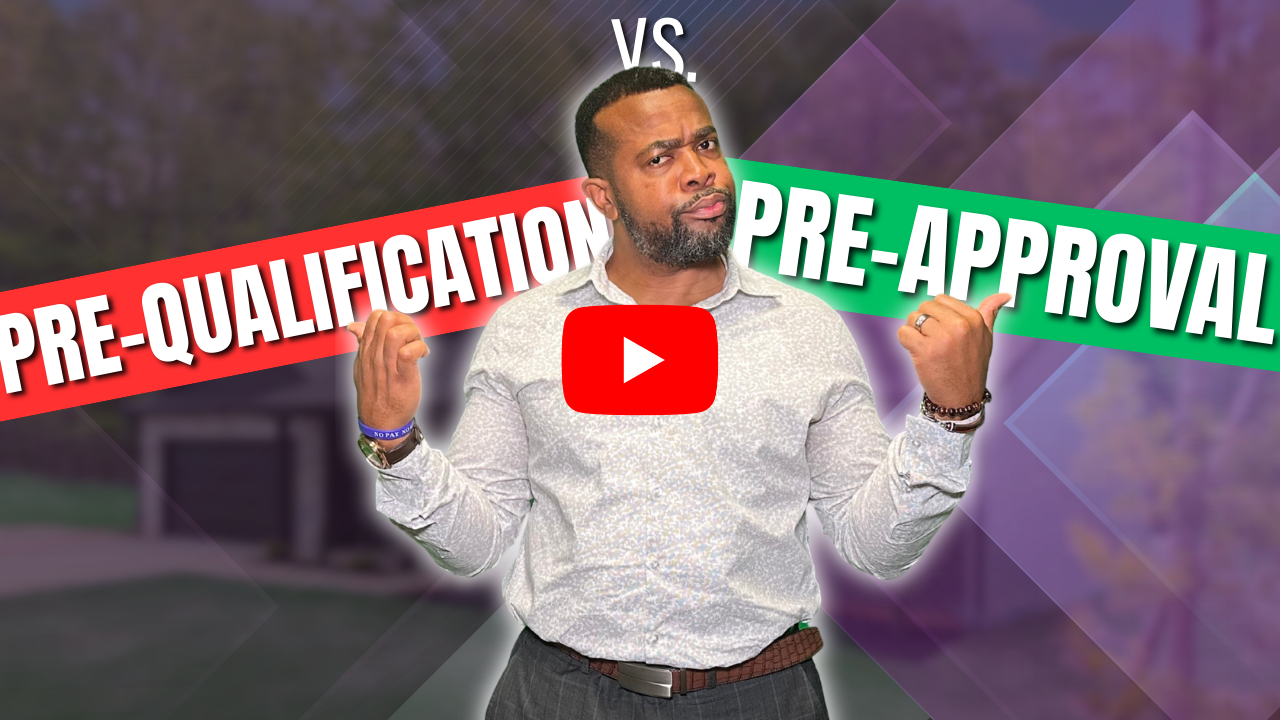
Watch: Pre-Approval VS Pre-Qualification
Start Your Home Search with Confidence
Getting pre-approved isn't just about financing—it's about reducing uncertainty.
It helps you understand your budget, strengthens your negotiating position, and allows you to focus your energy on finding the right home rather than worrying about whether you'll qualify for it.
Once your financing is in place, you'll be ready for one of the most exciting parts of the relocation journey: exploring Greenville's neighborhoods and discovering which community feels most like home.
Step 3: Learn About the Greater Greenville Upstate SC Area Before Choosing a Home
 One of the biggest mistakes relocation buyers make isn't choosing the wrong house—it's choosing the wrong location.
A beautiful home can be updated over time.
You can remodel a kitchen, renovate a bathroom, or finish a basement.
But you can't change where the home is located.
That's why one of the most important parts of relocating to Greenville isn't finding the perfect house. It's finding the community that best fits your lifestyle.
Many buyers begin their search by typing "homes for sale in Greenville SC" into Google or a real estate website. What they quickly discover is that "Greenville" isn't just one community.
The Greater Greenville Upstate area includes a collection of cities, suburbs, and neighborhoods, each offering a different pace of life, housing styles, commute options, and local amenities.
Taking time to understand these differences before you begin touring homes can save you countless hours and help you make a decision you'll feel good about for years to come.
Think About How You Want to Live
Before narrowing your search, think beyond square footage and the number of bedrooms.
Instead, ask yourself what you want your daily life to look like after you move.
For example:
- Do you want to walk to restaurants, coffee shops, and local events?
- Would you rather have a larger yard in a quiet suburban neighborhood?
- Is being close to hiking trails or parks important?
- Will you commute to work every day or work remotely?
- How important are schools, community amenities, or nearby shopping?
The answers to these questions often matter more than the home's floor plan.
Buying the right home starts with choosing the right lifestyle.
Greenville Offers Something for Almost Everyone
One of Greenville's greatest strengths is the variety of communities available throughout the Upstate.
For example:
Downtown Greenville
If you enjoy walkability, locally owned restaurants, boutique shopping, festivals, and an active downtown atmosphere, living near downtown may be an excellent fit.
Housing options include condominiums, townhomes, historic homes, and newer developments, all within easy access to Greenville's vibrant city center.
Five Forks
Many relocating families are drawn to Five Forks because of its established neighborhoods, community amenities, and convenient access to shopping, dining, and major employment centers.
The area continues to be one of the most sought-after suburban locations in Greenville County.
Simpsonville
Simpsonville offers a blend of suburban living, community events, and diverse housing options.
Many buyers appreciate its family-friendly atmosphere while still enjoying convenient access to downtown Greenville.
Greer
Located between Greenville and Spartanburg, Greer has experienced significant growth over the past several years.
Its revitalized downtown, proximity to Greenville-Spartanburg International Airport, and expanding residential communities make it a popular choice for professionals and families alike.
Travelers Rest
For buyers who love outdoor recreation, Travelers Rest offers a unique lifestyle.
With convenient access to the Swamp Rabbit Trail, nearby state parks, and the Blue Ridge Mountains, it's an ideal choice for those who want nature to be part of their everyday routine.
These are just a few examples.
The best community for you depends on your goals, lifestyle, and long-term plans.
Consider Your Daily Routine
It's easy to focus on the home itself, but your daily routine is just as important.
As you compare neighborhoods, think about practical questions such as:
- How long will your commute be?
- Where will you grocery shop?
- How often will you visit downtown?
- Are parks or walking trails nearby?
- How close do you want to be to schools, healthcare, or the airport?
A home may look perfect online, but if it doesn't support the way you live, it may not be the right fit.
Visit If You Can—But Don't Worry If You Can't
If your schedule allows, spending a few days exploring Greenville before buying a home can be incredibly valuable.
Driving through neighborhoods, visiting local restaurants, exploring parks, and experiencing traffic patterns firsthand often provides insights that online research simply can't.
That said, many relocation buyers successfully purchase homes without making multiple trips to Greenville.
Today's technology makes remote home buying easier than ever.
Virtual tours, live video walkthroughs, electronic signatures, online document sharing, and video meetings allow buyers to stay actively involved throughout the process, even from hundreds or thousands of miles away.
The key is working with professionals who can provide local insight and help you evaluate not only the home itself but also the surrounding community.
Your Home Is Only Part of the Decision
When people think back on a successful move, they rarely talk only about the house.
They talk about the neighborhood where they met new friends.
The park where their children played.
The coffee shop they visit every weekend.
The trail they walk after work.
Or the short commute that gave them more time with family.
Those everyday experiences are shaped by the community you choose.
That's why taking time to understand Greenville's neighborhoods before making an offer is one of the smartest investments you can make during your relocation journey.
If you're still deciding which part of the Upstate is right for you, be sure to read our Moving to Greenville SC: The Complete Relocation Guide to Greenville and Upstate South Carolina, where we take a deeper look at the area's most popular neighborhoods, schools, lifestyle, and housing options.
Step 4: Visit Greenville If You Can—But Know That Buying Remotely Is Easier Than Ever
 One of the first questions many relocation buyers ask is:
"Do I have to travel to Greenville to buy a home?"
The answer is no.
While visiting Greenville in person can certainly be helpful, many buyers successfully purchase homes every year without living in the area. Thanks to advances in technology, buying a home from another state has become far more practical than it was just a few years ago.
If you're relocating for work, coordinating a long-distance move, or simply can't make multiple trips to South Carolina, you can still move forward with confidence—as long as you have the right plan and the right local support.
Why an In-Person Visit Is Still Valuable
If your schedule allows, spending a few days exploring Greenville before buying a home can provide valuable perspective.
Photos and virtual tours do an excellent job of showcasing a home's interior, but they can't always capture what it's like to live in a particular community.
An in-person visit gives you the opportunity to:
- Drive through different neighborhoods
- Experience traffic at various times of the day
- Visit local restaurants, parks, and shopping areas
- Explore nearby schools and community amenities
- Get a feel for the pace and personality of each area
Many buyers discover that a neighborhood they initially overlooked online becomes one of their favorites after experiencing it in person.
If possible, consider scheduling a dedicated house-hunting trip once you've narrowed your search to a few preferred communities. This allows you to make the most of your time while gaining a better understanding of the areas you're considering.
When Traveling Isn't Practical
Of course, not every relocation buyer has the flexibility to visit Greenville multiple times.
You may be:
- Starting a new job
- Coordinating the sale of your current home
- Managing family commitments
- Living several states away
- Working within a limited relocation timeline
The good news is that today's technology allows much of the home-buying process to happen remotely.
Many buyers successfully complete nearly every step without needing to be physically present until closing—or, in some cases, not even then.
How Remote Home Buying Works
Technology has transformed the relocation process.
Today, buyers can confidently evaluate homes and communicate with their real estate team using tools such as:
- Live video walkthroughs
- Virtual home tours
- Electronic signatures
- Secure online document sharing
- Video meetings and phone consultations
These tools allow buyers to stay informed and actively involved throughout the transaction, regardless of where they're currently living.
While technology makes the process more convenient, it's the local insight behind those tools that often makes the biggest difference.
Why Local Guidance Matters
A virtual tour can show you the home.
A local real estate professional can help you understand everything the camera can't.
That includes:
- The feel of the neighborhood
- Nearby development and future growth
- Commute patterns
- Community amenities
- School attendance zones
- Local market conditions
- The pros and cons of different areas
For relocation buyers, this kind of local perspective can be just as valuable as seeing the home itself.
It helps you evaluate not only whether the house is right for you, but whether the community fits the lifestyle you're hoping to build after your move.
You Don't Have to Navigate the Process Alone
Buying a home from another state may seem intimidating at first, but thousands of buyers successfully relocate to Greenville every year.
With careful planning, modern technology, and trusted local guidance, you can confidently search for homes, compare neighborhoods, submit offers, complete inspections, and close on your new home—even if you're hundreds of miles away.
The distance between where you live today and where you want to be tomorrow doesn't have to stand in the way of finding the right home.
It simply means your home-buying journey will look a little different—and with the right support, it can be every bit as successful.
Step 5: Understand the Home-Buying Process Before You Make an Offer
 Buying a home while relocating can feel overwhelming, especially if you're trying to coordinate a move from another state.
The good news is that the home-buying process follows a clear sequence of steps. Understanding what happens next—and why each step matters—can help reduce uncertainty and make the entire experience much less stressful.
While every transaction is unique, most home purchases in the Greenville area follow the same general path.
Watch this: What To Expect When Buying

Find the Right Home
After narrowing your search to the neighborhoods that best fit your lifestyle, you'll begin touring homes that match your budget and priorities.
Some relocation buyers visit homes in person during a dedicated house-hunting trip, while others rely on live video tours, virtual walkthroughs, and detailed conversations with their real estate agent.
The goal isn't simply to find a beautiful home—it's to find one that fits your lifestyle, long-term goals, and budget.
Submit a Competitive Offer
Once you've found the right home, it's time to submit an offer.
Your real estate agent will help you evaluate recent comparable sales, current market conditions, and the property's overall value before preparing an offer that reflects both your goals and the realities of the local market.
Depending on the situation, your offer may include terms related to:
- Purchase price
- Earnest money
- Closing timeline
- Financing
- Inspection contingencies
- Requested seller concessions
Every transaction is different, which is why having experienced guidance during this stage can be especially valuable.
Navigate Negotiations
After your offer is submitted, the seller may accept it, reject it, or respond with a counteroffer.
Negotiations aren't always about price alone.
It's common for buyers and sellers to discuss:
- Closing dates
- Repair requests
- Closing cost assistance
- Included appliances or fixtures
- Other contract terms
The objective is to reach an agreement that works for both parties while keeping the transaction moving forward.
Complete Your Home Inspection
Once you're under contract, one of the next major milestones is the home inspection.
A licensed home inspector evaluates the property's visible condition and identifies any significant concerns that may need attention.
Even newer homes can benefit from a professional inspection.
The inspection isn't designed to determine whether a home is "good" or "bad." Instead, it provides valuable information that helps you better understand the property's condition before closing.
If concerns are identified, your real estate agent can help you evaluate your options and determine the appropriate next steps.
The Appraisal and Final Loan Approval
If you're financing your purchase, your lender will typically order an appraisal.
The appraisal helps confirm that the home's value supports the loan amount.
During this time, your lender also completes the final underwriting process by reviewing any remaining documentation before issuing final loan approval.
Although much of this work happens behind the scenes, it's an important step in preparing for closing.
Closing Day
Closing is the final step in your home-buying journey.
You'll review and sign the necessary documents, complete any remaining financial requirements, and officially take ownership of your new home.
Many relocation buyers are surprised by how much of the closing process can now be handled electronically or remotely, depending on the circumstances and applicable laws.
If you're moving from another state, your real estate professional, lender, and closing attorney or title company can explain the options available to help make the process as convenient as possible.
Every Step Brings You Closer to Home
At first, buying a home while relocating may seem like a complicated process with countless moving parts.
In reality, it's a series of manageable steps.
When you understand what to expect—and work with experienced professionals who guide you through each stage—you can focus less on the logistics and more on the excitement of starting your next chapter in Greenville.
Before long, what once felt like a long-distance relocation will simply become the story of how you found the place you'll call home.
If you need more guide with the process of buying a home in Greenville SC, check out our blog post: Home Buying Process Explained: What Every Buyer Should Know
Step 6: Decide Whether a New Construction or Resale Home Is Right for You
 As you begin narrowing your home search, you'll likely face another important decision:
"Should you buy a new construction home or an existing resale home?"
The answer depends on your priorities.
Both options offer unique advantages, and neither is inherently better than the other. The key is understanding how each aligns with your lifestyle, budget, timeline, and long-term goals.
For many relocation buyers, this decision becomes just as important as choosing the right neighborhood.
Why Many Relocation Buyers Consider New Construction
If you're moving to Greenville SC from another state, a new construction home can offer a level of convenience that's difficult to ignore.
Because everything is brand new, many buyers appreciate knowing they won't have to worry about replacing a roof, updating an HVAC system, or renovating outdated finishes immediately after moving in.
New construction homes also commonly feature:
- Open-concept floor plans
- Energy-efficient construction and modern building standards
- Contemporary kitchens and bathrooms
- Smart home technology, depending on the builder
- Builder warranties that vary by community and builder
For buyers coordinating a long-distance move, moving into a home that's ready for everyday living can provide valuable peace of mind.
Depending on when you purchase, some builders may also allow you to personalize flooring, cabinetry, countertops, and other design selections before construction is complete.
Why Some Buyers Prefer Resale Homes
While new construction is popular, many relocation buyers ultimately decide that an existing home better fits their lifestyle.
One of the biggest reasons is location.
Many established neighborhoods throughout the Greenville area are closer to Downtown Greenville, shopping, restaurants, parks, and major employment centers than newer developments.
Resale homes may also offer:
- Mature trees and established landscaping
- Larger lots in some neighborhoods
- Unique architectural styles and character
- Proven neighborhood appeal
- Faster move-in opportunities when timing is important
For buyers who value charm, convenience, and established communities, a resale home may provide exactly what they're looking for.
Think Beyond the House Itself
When comparing new construction and resale homes, it's easy to focus on finishes, appliances, or curb appeal.
But the decision should go deeper than that.
Ask yourself questions such as:
- How quickly do I need to move?
- Am I comfortable making repairs or updates over time?
- Is living in an established neighborhood important to me?
- Do I want the opportunity to personalize a new home?
- How important are commute times, schools, and nearby amenities?
- What type of lifestyle do I want after I relocate?
The answers to these questions often make the right choice much clearer.
There's No One-Size-Fits-All Answer
Some buyers immediately fall in love with a brand-new home.
Others discover that an established neighborhood with mature landscaping and timeless character feels more like home.
Both can be excellent choices.
The goal isn't to determine which type of home is "better." It's to find the one that best supports your lifestyle today while helping you achieve your long-term goals.
If you're still deciding between the two, we've created a detailed comparison guide that explores the advantages, potential trade-offs, and important considerations of each option.
Be sure to read our guide: New Construction vs. Resale Homes in Greenville SC: Which Is Right for You? There, you'll find an in-depth comparison to help you confidently choose the home that's the best fit for your relocation.
Common Mistakes Out-of-State Buyers Make (and How to Avoid Them)
Relocating to Greenville SC is exciting, but buying a home from another state comes with challenges that local buyers don't always face.
The good news is that most of the common mistakes are completely avoidable with the right preparation and guidance.
By understanding where other relocation buyers often run into trouble, you can make more informed decisions and enjoy a smoother home-buying experience.
Watch this: 10 Must Nots When Buying A Home

Mistake #1: Falling in Love with a Home Before Understanding the Neighborhood
It's easy to focus on beautiful listing photos, updated kitchens, and spacious floor plans.
But remember, you're not just buying a house—you're choosing where you'll live every day.
A home can be renovated over time.
Its location cannot.
Before making an offer, consider questions such as:
- How long will your commute be?
- Are restaurants, grocery stores, and healthcare nearby?
- Does the neighborhood fit your lifestyle?
- How close are parks, walking trails, or recreational amenities?
- Will the location still meet your needs five or ten years from now?
The right neighborhood is just as important as the right home.
Mistake #2: Waiting Too Long to Get Pre-Approved
Some buyers begin touring homes before speaking with a lender.
While browsing listings is exciting, delaying your mortgage pre-approval can create unnecessary stress when you find a home you love.
Having your financing in place before you start shopping allows you to:
- Understand your budget with confidence
- Submit an offer quickly when the right home becomes available
- Demonstrate to sellers that you're a serious buyer
For relocation buyers working within a specific timeline, preparation can make all the difference.
Mistake #3: Underestimating the Logistics of a Long-Distance Move
Moving across town is one thing.
Moving across state lines is something entirely different.
In addition to purchasing a home, you may also be coordinating:
- The sale of your current home
- Professional movers
- Temporary housing
- Utility transfers
- School enrollment
- Travel arrangements
- Address changes
Creating a detailed relocation timeline early in the process can help reduce stress and prevent last-minute surprises.
Mistake #4: Relying Solely on Online Listings
Today's technology makes it easier than ever to search for homes remotely.
However, online listings only tell part of the story.
Photos can showcase a home's best features, but they don't always reveal:
- The surrounding neighborhood
- Nearby traffic patterns
- Future development
- Community atmosphere
- Local amenities
Whenever possible, supplement online research with live video walkthroughs, virtual consultations, or an in-person visit.
Working with a local real estate professional can also provide valuable insight into factors that aren't visible in listing photos.
Mistake #5: Letting Emotions Override Your Long-Term Goals
Buying a home is an emotional experience, especially when you're preparing for a major life transition.
It's natural to become excited when you find a home that seems perfect.
At the same time, it's important to pause and ask yourself:
- Does this home truly fit my budget?
- Will it support my lifestyle long term?
- Am I making this decision because it's the right home—or because I'm feeling pressure to move quickly?
Taking a thoughtful approach doesn't make the process less exciting.
It helps ensure you're making a decision you'll still feel good about years after moving to Greenville.
Mistake #6: Trying to Navigate the Process Alone
Many buyers assume they need to figure everything out themselves before reaching out for help.
In reality, one of the smartest things you can do is build the right team early.
An experienced lender, a knowledgeable local real estate professional, and trusted inspectors and closing professionals can help guide you through each step of the process, answer questions, and identify potential challenges before they become bigger issues.
Buying a home from another state doesn't have to be overwhelming when you have experienced professionals helping you along the way.
Learn from Other Buyers' Experiences
Every relocation is unique, but the lessons are often the same.
The buyers who have the smoothest transitions usually aren't the ones who know everything before they begin.
They're the ones who plan ahead, ask questions, stay flexible, and rely on trusted local guidance throughout the process.
By avoiding these common mistakes, you'll be in a much stronger position to make confident decisions and enjoy the excitement of starting your next chapter in Greenville.
Coordinate Your Home Purchase and Move with a Relocation Timeline
Buying a home and moving to a new state are two major projects on their own.
Doing both at the same time requires careful planning.
One of the biggest challenges relocation buyers face isn't finding the right home—it's making sure everything happens in the right order. From selling your current home and scheduling movers to transferring utilities and starting a new job, there are countless details to coordinate.
The more organized you are before moving day, the smoother your transition to Greenville will be.
Start with Your Target Move Date
Begin by identifying the date you need—or hope—to be living in Greenville.
Maybe you're starting a new job.
Perhaps your children need to be enrolled before the school year begins.
Or maybe you're planning a retirement move and have more flexibility.
Your target move date becomes the foundation for every other decision you'll make throughout the relocation process.
Working backward from that date can help you create a realistic schedule for financing, home shopping, inspections, closing, packing, and moving.
Coordinate the Sale of Your Current Home
If you already own a home, your relocation plan may involve selling one property while purchasing another.
This often raises important questions, such as:
- Should I sell my current home before buying?
- Will I need temporary housing?
- How can I coordinate two closings?
- What happens if one transaction is delayed?
Every buyer's situation is different, which is why it's helpful to discuss your goals with both your lender and your real estate professionals early in the process.
Planning ahead gives you more flexibility and helps reduce last-minute stress.
Allow Extra Time for Unexpected Delays
Even the most carefully planned relocation can encounter unexpected changes.
For example:
- A home inspection may reveal repairs that need to be negotiated.
- Your lender may request additional documentation during underwriting.
- Moving companies may have limited availability during peak seasons.
- Construction timelines can shift if you're purchasing a new construction home.
- Weather or travel disruptions may affect your moving schedule.
Building a little flexibility into your timeline can make these situations much easier to manage if they arise.
Don't Forget the Small Details
Some of the most important relocation tasks are also the easiest to overlook.
As moving day approaches, create a checklist that includes items such as:
- Scheduling utility transfers
- Updating your mailing address
- Arranging internet and cable service
- Coordinating homeowners insurance
- Transferring medical records if needed
- Registering children for school
- Confirming moving company dates
- Organizing important financial and legal documents
Taking care of these tasks before moving day can help you settle into your new home much more quickly.
Stay Flexible Throughout the Process
One of the best pieces of advice for relocation buyers is to expect that your timeline may change slightly.
That doesn't mean something has gone wrong.
Real estate transactions involve multiple parties, inspections, lenders, appraisers, attorneys, and moving companies. Occasionally, adjustments are necessary to keep everything moving forward.
Approaching the process with flexibility—and maintaining regular communication with your real estate professional and lender—can help minimize stress if your schedule needs to be adjusted.
A Well-Planned Move Creates a Better Experience
Relocating to Greenville isn't just about arriving at your new home.
It's about arriving prepared.
When you take the time to coordinate your home purchase, moving schedule, and personal timeline, you'll spend less time worrying about logistics and more time enjoying the excitement of your new beginning.
The goal isn't simply to move into a new house.
It's to start your next chapter with confidence, knowing you've laid the groundwork for a successful transition to life in Greenville.
Why Local Knowledge Matters When You're Buying from Out of State
When you're buying a home in a city where you've lived for years, you already have an advantage.
You know which neighborhoods fit your lifestyle, which roads become busy during rush hour, where you like to shop, and which areas feel most like home.
Relocating to Greenville SC is different.
You're making important decisions about a community you're still getting to know, often from hundreds or even thousands of miles away.
That's why local knowledge can make such a meaningful difference.
A home may look perfect online, but there are many factors that listing photos simply can't show.
An experienced local real estate professional can help you understand:
- How different Greenville-area communities compare
- Typical commute times and traffic patterns
- New construction and future development plans
- Local market conditions and pricing trends
- Neighborhood amenities and lifestyle differences
- School attendance zones and community resources
Just as importantly, local guidance helps you avoid spending valuable time exploring neighborhoods that may not align with your goals.
For example, some buyers assume they want to live as close to Downtown Greenville as possible. After learning more about communities like Simpsonville, Greer, Travelers Rest, or Five Forks, they often discover that another area better fits their lifestyle, commute, or budget.
That kind of insight is difficult to gain through online research alone.
Whether you're touring homes in person or buying remotely, working with someone who understands the local market allows you to make decisions with greater confidence.
Ultimately, buying a home isn't just about finding the right property. It's about finding the right community. And that's where local knowledge becomes one of your greatest advantages throughout the relocation process.
Frequently Asked Questions About Buying a Home When Relocating to Greenville SC
Can I Buy a Home in Greenville Without Living There?
Yes. Many out-of-state buyers successfully purchase homes before relocating. Virtual tours, live video walkthroughs, electronic signatures, and secure online document sharing make it possible to complete much of the home-buying process remotely. Working with a knowledgeable local real estate professional can help you evaluate homes and communities with confidence.
How Far in Advance Should I Start Planning My Move?
If possible, begin planning several months before your anticipated move date. Starting early gives you time to research neighborhoods, secure mortgage pre-approval, coordinate your relocation timeline, and explore housing options before you're working against a deadline.
Should I Visit Greenville Before Buying a Home?
If your schedule allows, visiting Greenville can be extremely valuable. Touring neighborhoods, exploring local amenities, and experiencing the area firsthand often provides insights that online research can't.
That said, many buyers successfully relocate without making multiple trips by combining virtual tours with trusted local guidance.
What Is the First Step in Buying a Home When Relocating?
For most buyers, the first step is creating a relocation plan and obtaining a mortgage pre-approval. Knowing your budget and timeline before you begin searching for homes makes the entire process more organized and less stressful.
Should I Buy a New Construction or Resale Home?
Both options can be excellent choices.
New construction homes often appeal to buyers looking for modern layouts, energy-efficient features, and lower maintenance. Resale homes may offer established neighborhoods, mature landscaping, and locations closer to downtown or major amenities.
The right choice depends on your priorities, budget, and lifestyle.
How Long Does It Take to Buy a Home in Greenville?
Every transaction is different, but many home purchases close within 30 to 60 days after an offer is accepted. Factors such as financing, inspections, appraisals, negotiations, and new construction timelines can all influence the overall schedule.
What Are the Biggest Challenges for Out-of-State Buyers?
The most common challenges include learning unfamiliar neighborhoods, coordinating a long-distance move, aligning closing dates, and making confident decisions without seeing every property in person.
Fortunately, careful planning and experienced local guidance can help make the process much smoother.
Is Greenville a Good Place to Relocate?
Greenville continues to attract families, professionals, retirees, and remote workers because of its growing economy, diverse housing options, vibrant downtown, outdoor recreation, and overall quality of life.
The Greater Greenville area offers a wide variety of communities, making it possible for many buyers to find a neighborhood that fits both their lifestyle and long-term goals.
Final Thoughts
Relocating to a new city is one of life's biggest transitions.
It's exciting, but it can also feel overwhelming—especially when you're trying to buy a home from another state.
The good news is that thousands of buyers successfully relocate to Greenville every year, and with the right preparation, you can too.
By planning early, securing your financing, learning about Greenville's communities, understanding the home-buying process, and working with experienced local professionals, you'll be well positioned to make informed decisions every step of the way.
Remember, the goal isn't simply to buy a house.
It's to find a home and a community where you can build your next chapter with confidence.
Whether you're relocating for a new career, retirement, remote work, or a fresh start, Greenville offers a diverse range of neighborhoods, housing options, and lifestyles to explore.
Taking the time to understand your options today can help ensure you're happy with your decision for years to come.
Ready to Start Your Greenville Home Search?
If you're planning a move to Greenville or anywhere in the Upstate, we'd be happy to help.
Our team specializes in working with relocation buyers and understands the unique challenges of purchasing a home from out of state. From comparing neighborhoods and scheduling virtual tours to navigating contracts and coordinating your move, we're here to make the process as smooth and stress-free as possible.
If you're ready to take the next step, call us at 864-438-5050 or schedule a consultation. We'd love the opportunity to answer your questions, discuss your goals, and help you find the Greenville-area home that's the right fit for your lifestyle.

Receive Cash Offer on Your House Today!
Did you know that we have a cash offer platform? It's your gateway to make your home selling process convenient, providing you with opportunities. Don't miss out on the potential it offers – explore our cash offer platform today! Click here to request a cash offer for your home.
:format(webp):quality(80)/u.realgeeks.media/greenvillerehub/header2.png "Team Logo")