_Living_Near_Main_Street_Downtown_Greenville_SC_Guide.jpg)
If you're considering moving to Greenville, SC, chances are you've already heard about downtown.
You may have seen photos of Main Street, Falls Park on the Reedy, the Liberty Bridge, local restaurants, outdoor spaces, festivals, and the Swamp Rabbit Trail. Maybe you've even visited Greenville and spent an afternoon walking around downtown.
But there's a big difference between visiting downtown Greenville and actually living near Main Street.
What is everyday life like? Is downtown Greenville walkable? What types of homes can you find? Is it a good fit for families? And how does living downtown compare with choosing a home in one of the surrounding communities?
These are important questions to consider before deciding where to live.
The good news is that you don't have to choose between "downtown" and "far away from everything." Greater Greenville offers a range of neighborhoods and communities, allowing homebuyers to find different combinations of walkability, convenience, space, schools, commute times, and lifestyle.
In this guide, we'll take a closer look at what it's really like to live near Main Street in downtown Greenville SC, what you should consider before buying, and how downtown compares with some of the other ways you can experience life in the Greater Greenville area.
What Makes Downtown Greenville SC Different?
Downtown Greenville has become one of the area's best-known destinations for restaurants, shopping, entertainment, outdoor recreation, community events, and everyday activities.
Main Street serves as a central part of the downtown experience, but the area extends beyond one street. Residential properties, parks, businesses, restaurants, public spaces, and attractions are spread throughout the surrounding downtown neighborhoods.
That creates something different from a typical suburban lifestyle.
When you live near downtown, you may be able to walk, bike, or take a short trip to places you regularly visit instead of getting in your car every time.
You might grab coffee in the morning, meet friends for dinner, walk through Falls Park, attend an event, or spend an afternoon downtown without making it an entire day trip.
For some people, that convenience is the biggest reason to consider living near Main Street. For others, the appeal is simply being close enough to enjoy downtown whenever they want while still having a quieter residential environment.
And that's an important distinction:
Living in downtown Greenville doesn't necessarily mean living in the busiest part of downtown. There are different residential environments within and around the downtown area, so the experience can vary significantly depending on the specific property.
What Is Everyday Life Like Near Main Street?
Imagine finishing work and not having to drive across town to find somewhere to eat.
You could walk to a restaurant, meet friends downtown, spend some time outdoors, and return home without spending much time behind the wheel. That type of convenience is one of the biggest lifestyle benefits of living near Main Street.
But downtown living isn't necessarily about being within walking distance of everything every single day. You may still drive to work, grocery stores, appointments, schools, or other destinations. Instead, the appeal is having a large concentration of things to do relatively close to home.
This can be particularly attractive to people who enjoy an active social life, restaurants, community events, outdoor recreation, and a more urban environment.
If you're still trying to determine whether that lifestyle fits you, our article What Is It Really Like Living in Greenville, SC? provides a broader look at the area's lifestyle, community, and what day-to-day life can feel like throughout Greater Greenville.
Walkability Is One of Downtown's Biggest Advantages
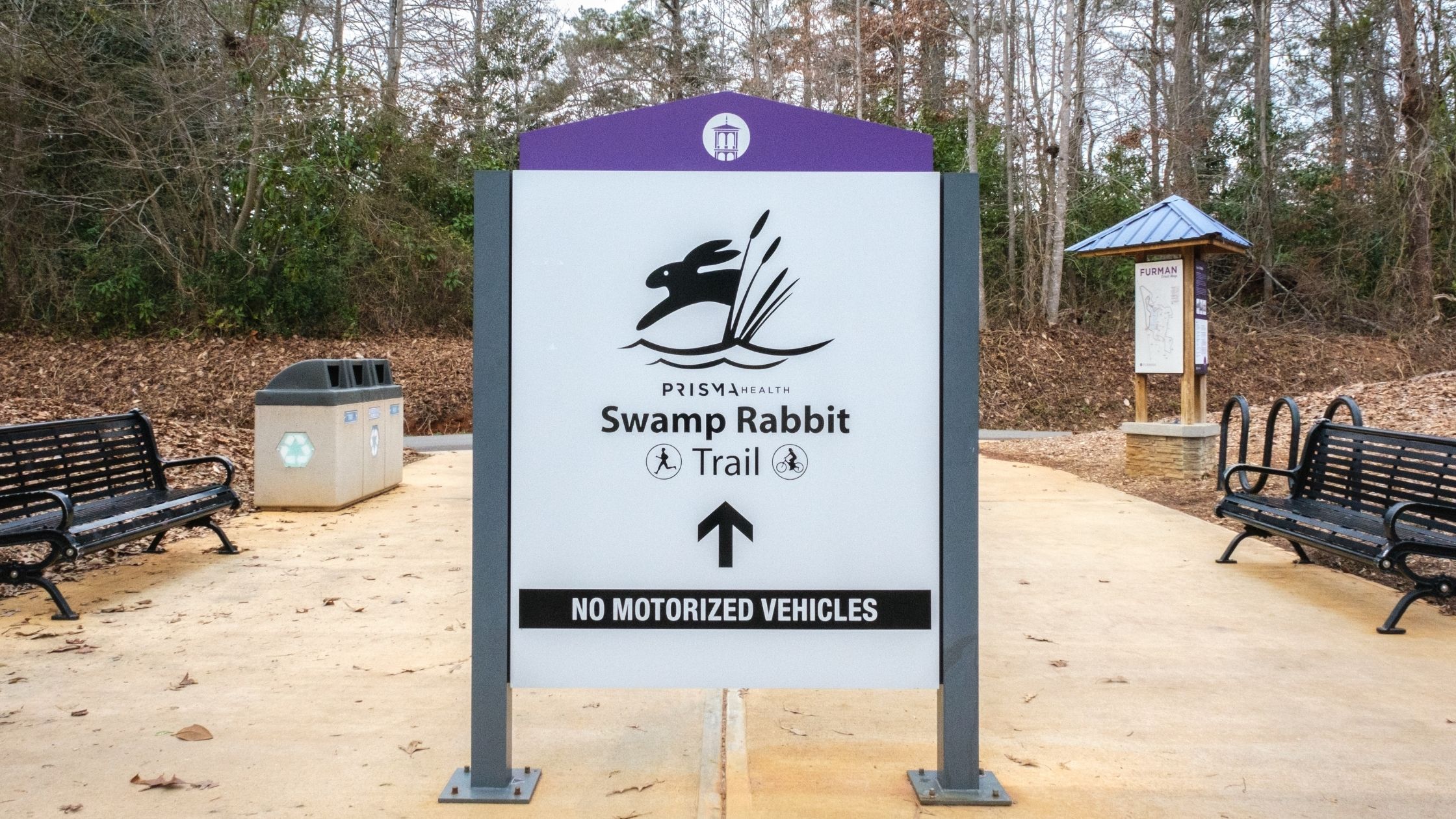 For many homebuyers, walkability is one of the biggest reasons to consider living near Main Street. Restaurants, coffee shops, parks, entertainment, shops, and public spaces are concentrated throughout the downtown area. Exactly how walkable your lifestyle will be depends on where you live.
A home a few blocks from Main Street can provide a very different experience from a property several miles away. That's why you shouldn't rely on the label "downtown" alone.
When looking at a property, consider what you can realistically reach from the front door.
Ask yourself:
- Can I walk to restaurants?
- Can I easily access parks?
- Can I reach the Swamp Rabbit Trail?
- How far am I from Main Street?
- Where would I park if I drive downtown?
- Would I actually walk or bike regularly?
If walkability is one of your priorities, the specific location of the home matters just as much as the home itself.
That's also why we recommend looking beyond the house when choosing where to live. Our guide on what to look for when buying a home in a neighborhood covers factors such as location, traffic, amenities, schools, HOA considerations, future development, and resale potential.
Falls Park on the Reedy Is Part of the Downtown Lifestyle
One of the most recognizable features of downtown Greenville is Falls Park on the Reedy.
The park provides green space, walking paths, gardens, gathering areas, and views of the Reedy River and waterfalls. The Liberty Bridge is another signature feature of the area. For someone living nearby, this isn't necessarily an attraction you visit once during a vacation. It can become part of your routine.
You might walk through the park in the morning, meet friends there, take visitors downtown, or simply spend some time outside.
That accessibility is one of the things that makes downtown Greenville appealing to people who value outdoor recreation but also want restaurants and entertainment nearby.
The Swamp Rabbit Trail Adds to the Outdoor Lifestyle
Greenville's downtown lifestyle isn't limited to restaurants and shopping.
The Swamp Rabbit Trail is an important part of the area's recreational culture and provides opportunities for walking, running, cycling, and getting outdoors.
For buyers who prioritize an active lifestyle, proximity to the trail can be a meaningful factor when comparing properties. Instead of driving somewhere specifically to exercise, you may have outdoor recreation much closer to home.
If you're considering a property near downtown, don't just ask how close it is to Main Street.
Also ask:
- How close is it to the trail?
- How easy is the access?
- Would I actually use it?
Those questions can help you determine whether the location supports the lifestyle you're hoping to have after moving to Greenville.
For more ideas about enjoying the area after your move, our Things to Do in Greenville SC After You Move guide covers local activities, outdoor recreation, downtown experiences, and other ways new residents can get familiar with Greater Greenville.
Restaurants and Coffee Shops Are Part of Everyday Life
 One of the most noticeable differences between downtown living and many suburban communities is the concentration of restaurants and local businesses.
Main Street and the surrounding downtown area offer a wide variety of dining experiences, coffee shops, and places to meet friends.
That can change how you think about going out.
Dinner doesn't necessarily have to involve a long drive.
Meeting a friend for coffee can be a quick trip.
A weekend brunch can turn into a walk through downtown.
And an evening out can be as simple as leaving home and heading toward Main Street.
For people who enjoy dining and local food culture, this can be a significant lifestyle advantage.
If you're interested in exploring more of the area's food scene, we've also created a guide to Greenville and Upstate South Carolina's culinary scene**, which can give you a broader look at local dining beyond downtown.
Downtown Greenville Is Active Throughout the Year
Downtown Greenville isn't only busy on a typical Saturday night. The area hosts community events, festivals, seasonal activities, performances, markets, and other gatherings throughout the year. That can be one of the biggest advantages of living nearby. You don't necessarily have to plan an elaborate outing every time you want something to do. There's often something happening within a relatively short distance.
However, this is also something potential homebuyers should consider carefully.
More activity can also mean:
- More visitors
- More traffic
- Busier streets
- Event-related activity
- More noise in certain locations
- Greater demand for parking
The things that make downtown exciting for one buyer may be exactly what another buyer wants to avoid. That's why visiting a property at different times is so important.
Don't only tour a home on a quiet weekday afternoon. If possible, see what the surrounding area feels like during evenings, weekends, and busier events.
What Types of Homes Are Available Near Downtown Greenville?
If you're coming from a suburban market, you may notice that housing near downtown can look very different from what you see farther outside the city.
Depending on the location, buyers may encounter:
- Condos
- Townhomes
- Detached homes
- Historic properties
- Renovated older homes
- Newer residential developments
- Smaller properties on more limited lots
The trade-off is often about what you value most. A home near Main Street may provide convenient access to restaurants, parks, entertainment, and events.
A home farther from downtown may give you more square footage, a larger yard, additional privacy, or newer community amenities.
Neither option is automatically better. They're simply different ways of living.
This is especially important for people relocating from outside the area. You may initially think you want a downtown home because you've enjoyed visiting Greenville's city center.
But after comparing actual properties, you may discover that a nearby neighborhood gives you more of what you want while still keeping downtown within easy reach.
Downtown vs. Living Just Outside Downtown
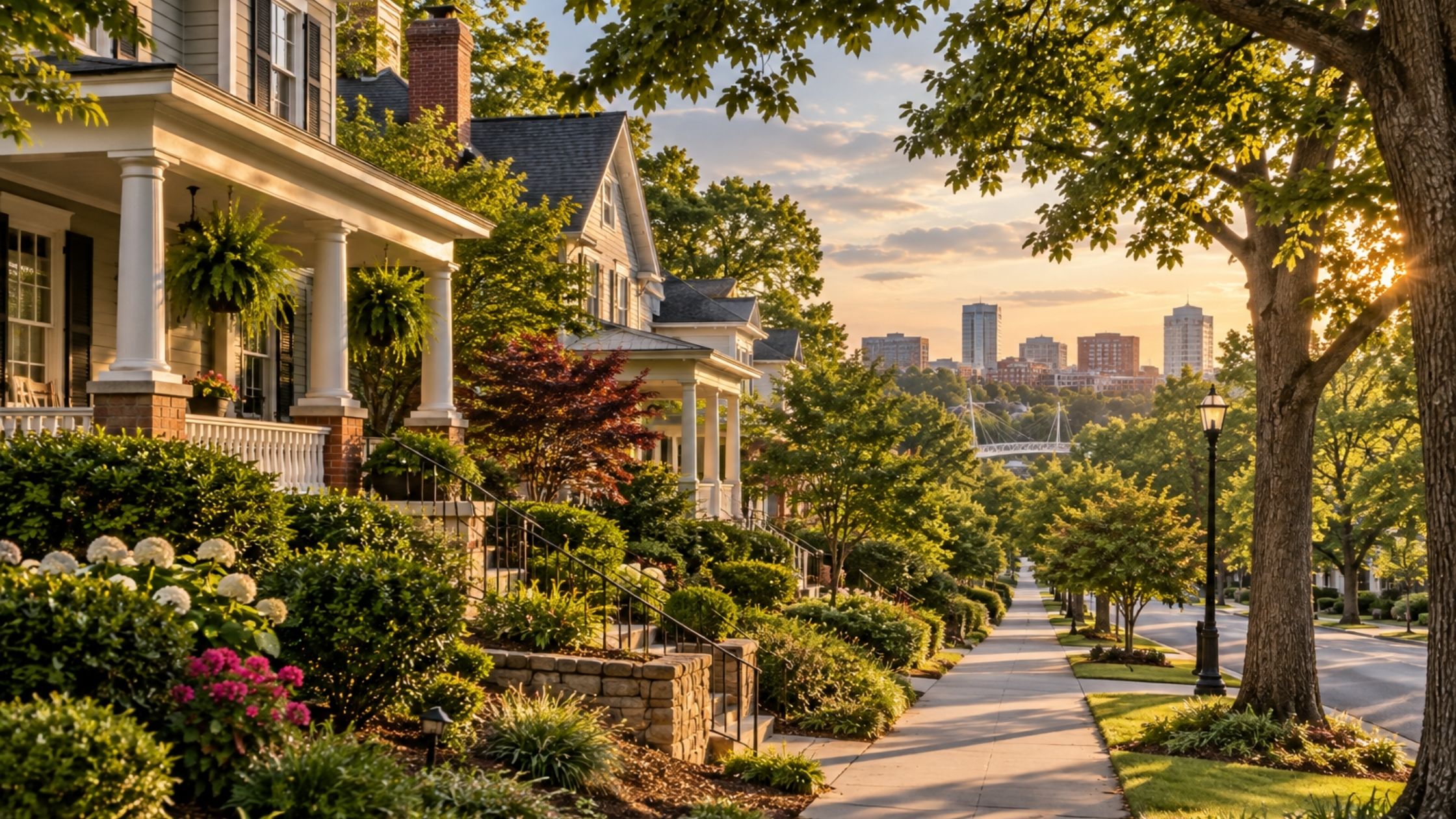 This is one of the most important decisions for anyone considering downtown Greenville. You don't necessarily need to live directly beside Main Street to enjoy downtown.
There are residential neighborhoods throughout the broader Greenville area that provide convenient access to downtown while offering a different residential environment.
For some buyers, this can be the ideal compromise.
You may get:
Downtown access + more residential space + additional housing options.
The right balance depends on how frequently you plan to use downtown.
If you want to walk to dinner several times a week, proximity may be worth prioritizing.
If you mainly visit downtown for an occasional restaurant, festival, or weekend outing, a short drive may be perfectly reasonable.
This is one reason we encourage relocating buyers to explore multiple communities instead of deciding on a neighborhood based solely on online photos.
If you're relocating from outside the area, our guide on How to Buy a Home When Relocating to Greenville SC can help you think through the broader home-buying process, including researching communities before making a move.
Who Is Downtown Greenville Best Suited For?
Downtown Greenville may be particularly appealing to people who value:
- Walkability
- Restaurants and coffee shops
- Entertainment
- Community events
- Parks and green space
- Biking and outdoor recreation
- Proximity to downtown businesses
- An active social lifestyle
- Less reliance on driving for certain activities
It can also appeal to people who enjoy being close to the action without necessarily wanting to live in a major metropolitan city.
But downtown living isn't for everyone. You may prefer a suburban community if your priorities include:
- A larger yard
- More living space
- A garage
- More privacy
- A quieter residential setting
- New construction
- Specific school considerations
- A particular commute
There's no universal "best place to live in Greenville."
The best location is the one that fits your lifestyle, budget, and long-term goals.
Families Should Look Beyond Downtown's Lifestyle Appeal
Families considering downtown Greenville should evaluate the area from a slightly different perspective.
Restaurants, parks, and events may be important, but you'll also want to think carefully about housing space, schools, transportation, activities, and your daily routine.
School assignments can be address-specific, so families should verify the schools serving any property they're considering rather than relying on a general neighborhood label.
Our Guide to School Districts in Greenville County, SC is a useful starting point for understanding the area's school options and what homebuyers should consider.
You can also read our article about Moving to Greenville With Kids if you're relocating with children and want to think beyond the home itself.
The important thing is to evaluate downtown as a complete lifestyle—not simply based on the restaurants and attractions you see when visiting.
Things to Consider Before Buying Near Main Street
Before purchasing a home near downtown Greenville, look beyond the listing photos.
Parking
Consider where you and your guests will park. Parking arrangements can be very different from what you might experience in a suburban neighborhood with a private driveway and garage.
Noise and Activity
Think about restaurants, events, traffic, nightlife, and general downtown activity. Visit the property at different times before making a decision.
Traffic
Downtown can become busier during events, weekends, and peak travel periods. Consider how easy it will be to get in and out of the area from the specific property.
Property Condition
If you're considering an older or historic property, understand its condition and potential maintenance needs.
A beautiful historic home can be appealing, but buyers should conduct appropriate inspections and understand what they're purchasing.
HOA Rules and Fees
For condos and townhomes, carefully review HOA documents. Look at monthly fees, what those fees cover, maintenance responsibilities, parking rules, reserves, and potential assessments.
Future Development
Don't only look at what's around the home today. Research surrounding development and future plans when possible.
A property that feels perfect today may have a very different environment in the future if nearby parcels are developed.
Don't Choose a Downtown Home Without Considering Your Commute
One mistake relocating buyers can make is falling in love with a location before considering how it works with their daily routine. Downtown may be convenient for some workplaces and less convenient for others. Before buying, think about where you'll spend most of your weekdays.
- Where do you work?
- How often do you commute?
- Do you regularly travel to other parts of the Upstate?
- Will you need access to I-85 or I-385?
- Will you frequently travel toward Greer, Spartanburg, Anderson, Easley, Simpsonville, or other communities?
A home can be beautiful and still be a poor fit if the daily commute doesn't work for you.
This is also why our Common Mistakes People Make When Moving to Greenville SC article is a useful companion to this guide. Understanding your commute, neighborhood, schools, budget, and future development can help you avoid making a decision based solely on the home itself.
How Downtown Fits Into the Greater Greenville Lifestyle
One of the biggest advantages of living in the Greenville area is that you don't have to choose between city amenities and suburban living.
Greater Greenville offers a variety of communities, each with its own characteristics.
You can live closer to downtown and prioritize walkability.
You can choose a suburban community and prioritize space.
You can live near major roads and prioritize commuting.
You can look for a neighborhood close to parks and trails.
Or you can find a balance between several of these priorities.
That's why we recommend thinking about Greater Greenville as a collection of communities rather than one single housing market.
Your ideal location may be downtown. Or it may be a short drive away. The important thing is understanding the differences before you buy.
How to Decide If Living Near Main Street Is Right for You
Before you start touring downtown properties, ask yourself a few questions.
How often will I actually use downtown?
If you're planning to walk to restaurants, events, parks, and coffee shops several times a week, living nearby could provide significant lifestyle value.
If you'll only visit occasionally, you may be better off expanding your search.
How much space do I need?
Think beyond bedrooms.
Do you need a large yard? A garage? A home office? Extra storage? Outdoor space? If so, compare downtown options with properties in nearby communities.
What is my budget?
Don't assume your budget will go as far downtown as it might in other parts of Greater Greenville. Compare property type, size, condition, HOA costs, location, and amenities.
What does my commute look like?
This should be one of the first questions—not the last.
What kind of neighborhood environment do I want?
Do you want activity outside your door, or do you prefer a quieter residential environment? There is no wrong answer.
You Don't Have to Know the Whole Upstate to Find the Right Home
Relocating can make the home search feel overwhelming.
You may be researching Greenville neighborhoods while also trying to understand schools, employment, commute routes, new construction, home prices, restaurants, parks, and everything else that comes with moving.
That's where having a clear process helps.
Start with your priorities.
Then identify communities that match those priorities.
Then compare actual homes.
Don't start by falling in love with a house and trying to make your lifestyle fit around it.
Instead, determine how you want to live first and use that information to guide your home search.
For people moving from outside the area, our Complete Moving to Greenville SC Relocation Guide provides a broader starting point for understanding Greater Greenville, while our relocating buyer's guide focuses specifically on purchasing a home from out of state.
Frequently Asked Questions About Living in Downtown Greenville SC
Is downtown Greenville SC a good place to live?
Downtown Greenville can be a great fit for people who value walkability, restaurants, outdoor recreation, entertainment, and community events. Whether it's right for you depends on your housing needs, budget, commute, and preferred lifestyle.
Can you walk to restaurants and shops if you live near Main Street?
Depending on the exact location, yes. Many properties in and around downtown provide convenient access to restaurants, shops, parks, and other amenities. Walkability varies significantly by property.
Is downtown Greenville expensive?
Pricing varies based on the type of property, location, size, condition, and amenities. Homes close to highly desirable downtown areas can command a premium, but buyers should compare the specific property and overall value rather than assuming every downtown home will be more expensive.
Is downtown Greenville family-friendly?
It can be. Families who enjoy parks, outdoor activities, restaurants, and community events may appreciate downtown living. However, families should also consider housing space, school assignments, transportation, and their individual daily routines.
Should I live downtown or in the suburbs?
That depends on your priorities. Downtown may be a better fit if you value walkability and access to restaurants and entertainment. Surrounding communities may offer more space, larger yards, newer homes, or a quieter residential environment.
What should I consider before buying a home near Main Street?
Consider parking, traffic, noise, property condition, HOA fees and rules, commute times, nearby development, housing costs, and how well the location fits your lifestyle.
Is downtown Greenville good for people relocating from out of state?
It can be, but relocating buyers should explore more than downtown before making a decision. Greater Greenville includes many communities with different housing options and lifestyles. Comparing those areas can help you determine where you will feel most comfortable long term.
Final Thoughts: Downtown Is One Way to Experience Greenville
Living near Main Street in downtown Greenville SC can offer a lifestyle that's difficult to replicate in a traditional suburban community.
Restaurants, parks, outdoor recreation, entertainment, events, and other amenities can be close to home. For people who value convenience and an active lifestyle, that can be a major benefit.
But downtown isn't automatically the best choice for every homebuyer.
Some people will love being able to walk to dinner.
Others will prefer a larger home with a yard.
Some buyers will prioritize schools.
Others will prioritize their commute.
And some will want a little bit of everything.
That's the beauty of Greater Greenville: you have options. The key is knowing what you want before choosing where to live.
If you're still researching the area, start with our Moving to Greenville SC: Complete Relocation Guide for a broader overview of Greater Greenville and Upstate South Carolina.
Then explore our guides on living in Greenville, choosing a neighborhood, buying a home when relocating, school districts, and things to do after you move to build a more complete picture of the area.
When you're ready to explore homes in downtown Greenville or communities throughout Greater Greenville and the Upstate, call PRODUCER Realty at 864-438-5050 or schedule a call.
Our team can help you compare neighborhoods, understand your options, and negotiate with your goals in mind. Your ideal Greenville home might be steps from Main Street—or it might be a short drive away. The goal isn't simply to find a home near downtown. It's to find the place that fits the way you want to live.

Receive Cash Offer on Your House Today!
Did you know that we have a cash offer platform? It's your gateway to make your home selling process convenient, providing you with opportunities. Don't miss out on the potential it offers – explore our cash offer platform today! Click here to request a cash offer for your home.
:format(webp):quality(80)/u.realgeeks.media/greenvillerehub/header2.png "Team Logo")