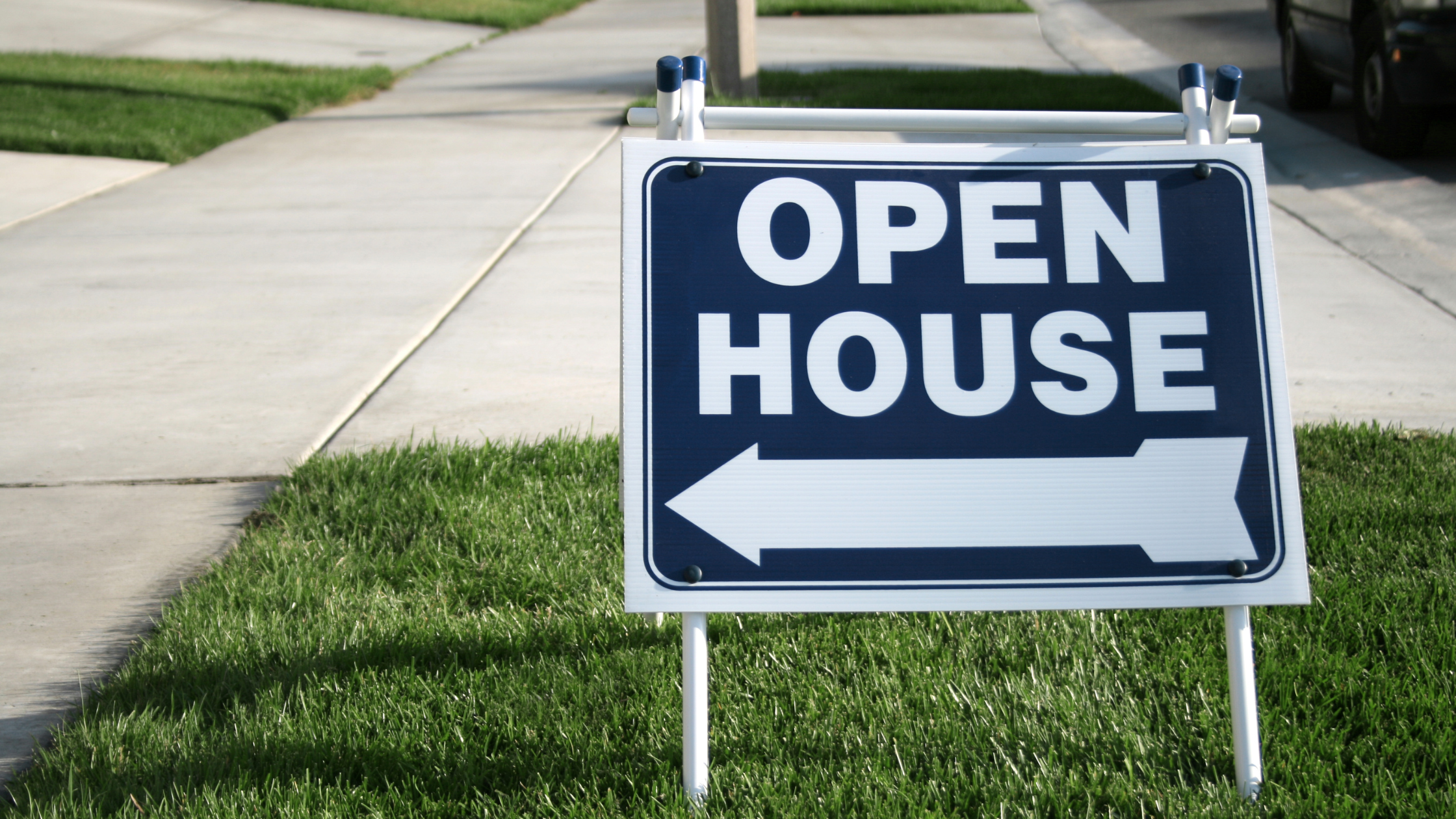
Finding a potential home is thrilling, but stepping into an open house unprepared can lead to impulsive decisions or missed details. To make the most of your open house visit, you’ll need more than just an eye for style—you’ll want to check for the essentials that ensure comfort, functionality, and value. Here’s your complete checklist for what to look for, what to ask, and how to know if a house really fits the bill.
1. Curb Appeal and Exterior Check
The outside of the house can tell you a lot about what’s inside. Look closely at the landscaping, the paint, and any visible structure details, like the condition of the roof and siding. Is the lawn trimmed, and are the plants well-maintained? A tidy exterior suggests that the owners care about upkeep, which may mean fewer repairs down the road. Also, think about the parking situation. Is there ample driveway or garage space for your cars, guests, and deliveries? A beautiful exterior shouldn’t be the only deciding factor, but a well-cared-for home often indicates what to expect inside.
2. Entryway and First Impressions
The foyer is the first thing you see when you step into the house each day and sets the tone for the entire house. Notice how the space feels—is it open and bright, or cramped and dark? The entryway should feel inviting and functional, especially if you’re someone who likes a spot for shoes, coats, and keys. Look for signs of wear or any damage to walls or floors, as the entryway often sees the most foot traffic. If you feel a sense of welcome and ease as you step inside, that’s a good sign the home has an inviting layout.
3. Walls, Floors, and Ceilings: A Close Inspection
Don’t let fresh paint fool you—inspect walls, floors, and ceilings for hidden issues. Peeling paint, cracks, or discoloration on the walls can be indicators of moisture or even structural problems. Walk around to see if floors feel sturdy and listen for squeaks, as these could signal foundational issues. Look closely at the ceilings, especially around corners and near windows, for any signs of water stains or cracks. Often, water damage is sneaky, so keep an eye out for irregularities that could lead to big repairs. A home that looks solid in these areas is more likely to stand the test of time.
4. Kitchen: The Heart of the Home
For many buyers, the kitchen is a dealbreaker or dealmaker. Imagine yourself cooking and entertaining there. Is there enough counter space for your needs? Are the appliances in good working condition, and are they included in the sale? Check out the storage options—ample cabinets, deep drawers, and pantry space make daily use much easier. Don’t hesitate to open cabinets and drawers to see if the layout works for you. After all, a functional, comfortable kitchen can be a game-changer for your everyday life and the home’s long-term value.
5. Bathrooms: Function and Flow
Bathrooms are some of the most essential rooms in a house, so they deserve close attention. Start by checking the water pressure in showers and sinks—don’t be afraid to turn on faucets and even flush the toilet to see if everything works well. Good water pressure and reliable plumbing are basics you don’t want to compromise on. Also, ensure there’s ventilation through either a fan or a window to prevent moisture buildup and mold. Lastly, picture yourself using the bathroom daily. Does it feel spacious enough, and are the storage and layout practical for your needs? A functional bathroom can make a big difference in comfort.
6. Storage Spaces: Go Beyond Closets
Storage is a major factor in long-term livability, so make sure there’s enough space to keep everything organized. Look for closets in each bedroom and hallway, and consider if they’re big enough to meet your needs. Don’t forget about other storage areas, like the garage, attic, or basement. Is there enough room for holiday decorations, sports equipment, and seasonal clothing? A home with ample storage not only helps keep things tidy but can also improve its resale value. Imagine how your belongings would fit, and be realistic about the space you’ll actually need.
7. Electrical Outlets and Plumbing Checks
Details like outlets and plumbing might seem small, but they make a huge impact on day-to-day life. Count outlets in each room and think about how you’d arrange your furniture and electronics. If there aren’t enough outlets, you may end up relying on extension cords, which can be inconvenient and a potential safety hazard. Additionally, test faucets and listen for any odd sounds in the plumbing, such as banging pipes or slow drains, as these can signal bigger issues that need repair. A home with modern, functional systems will make daily life simpler and may reduce future repair costs.
8. Windows and Natural Lighting
Lighting affects not only the mood of the home but also your energy bills. Open windows and blinds to assess natural light in each room, and imagine how it changes throughout the day. Natural light can make a home feel warm and welcoming, and it reduces the need for artificial lighting. Pay attention to the condition of the windows as well; drafty or outdated windows can lead to higher heating and cooling bills. Look for double-pane windows, which provide better insulation, and ensure they’re easy to open and close. Good lighting can be a dealmaker if you appreciate a bright, airy home.
9. Neighborhood Noise and Convenience
An open house is not just about the house; it’s also about the neighborhood. Step outside and listen for traffic noise, nearby businesses, or other sounds that could affect your peace and quiet. Are there barking dogs, airplanes flying overhead, or a bustling street nearby? Also, take note of nearby amenities. Are grocery stores, parks, or coffee shops within a reasonable distance? Knowing the neighborhood’s noise levels and walkability can help you decide if the lifestyle fits yours. It’s easy to overlook these factors, but they’re crucial for long-term happiness.
10. The Feel Test: Does This House Feel Like Home?
Finally, trust your gut. After checking all the boxes, take a moment to see if the house feels like home. Walk through each room and picture yourself living there—does it feel right? Can you imagine hosting friends, decorating for holidays, or unwinding after a long day? Sometimes, a house just clicks, and that feeling is worth considering. If you can see yourself happily living in the space, you may have found your new home.
In an open house, it’s easy to get dazzled by fresh paint or stylish staging, but this checklist will help you look past surface appeal to find a home that fits your needs. So take your time, be curious, and make sure the house you choose is ready to support your life, not just your Pinterest board.
Call us if you'd like more information about the Greater Greenville, South Carolina, region market. Feel free to get in touch with our team at 864-438-5050 or visit our website at www.GreenvilleRealEstateHub.com.
 Receive Cash Offer on Your House Today!
Did you know that we have a cash offer platform? It's your gateway to make your home selling process convenient, providing you with opportunities. Don't miss out on the potential it offers – explore our cash offer platform today! Click here to request a cash offer for your home.