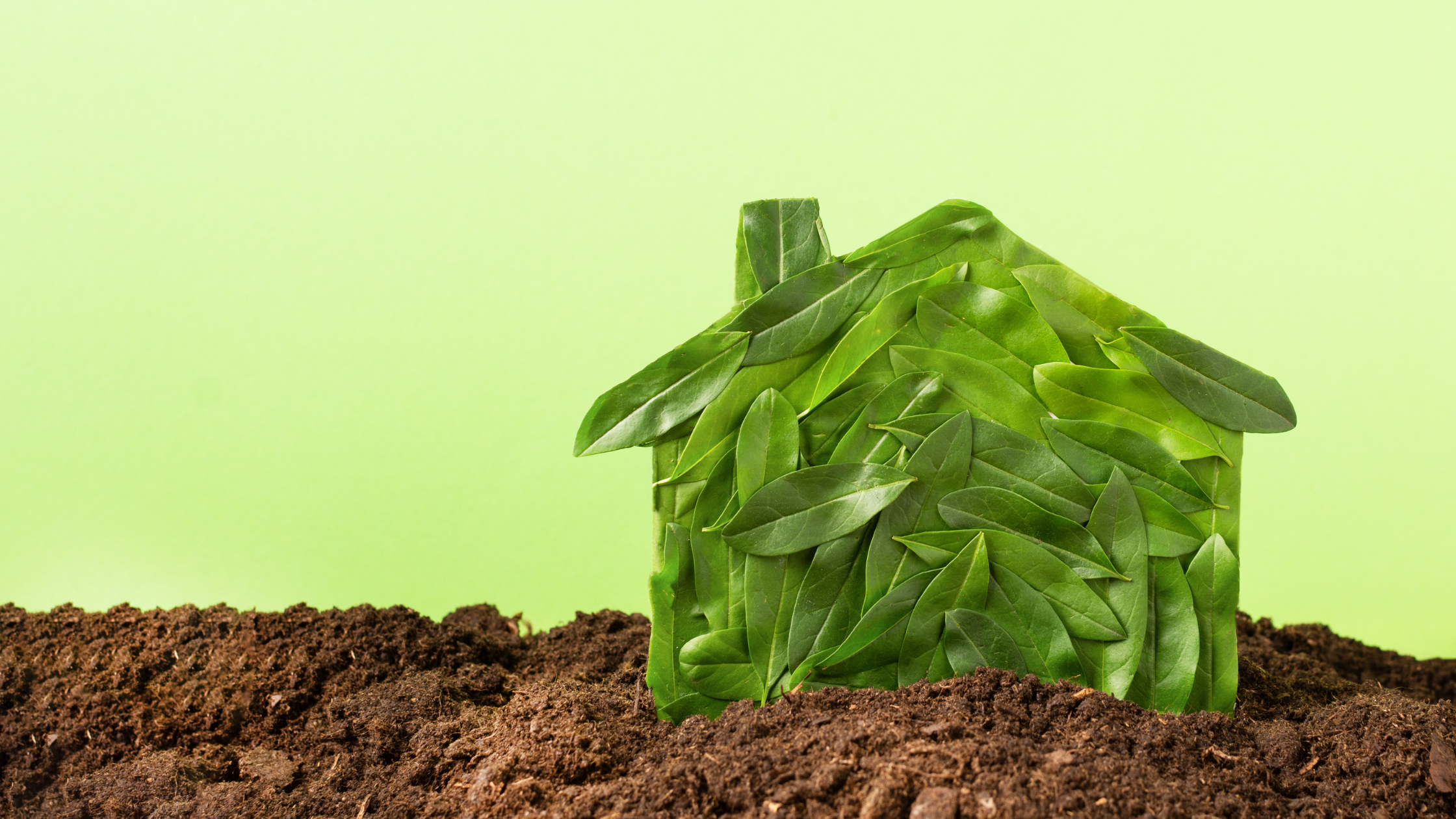
The real estate sector is going through a major shift towards sustainability in an era characterized by environmental awareness and climate change. The design and build of new construction homes increasingly prioritizes resource conservation, a reduction in environmental impact, and the creation of healthier living environments. With their eco-friendly materials and energy-efficient features, these houses are leading the way toward a cleaner future.
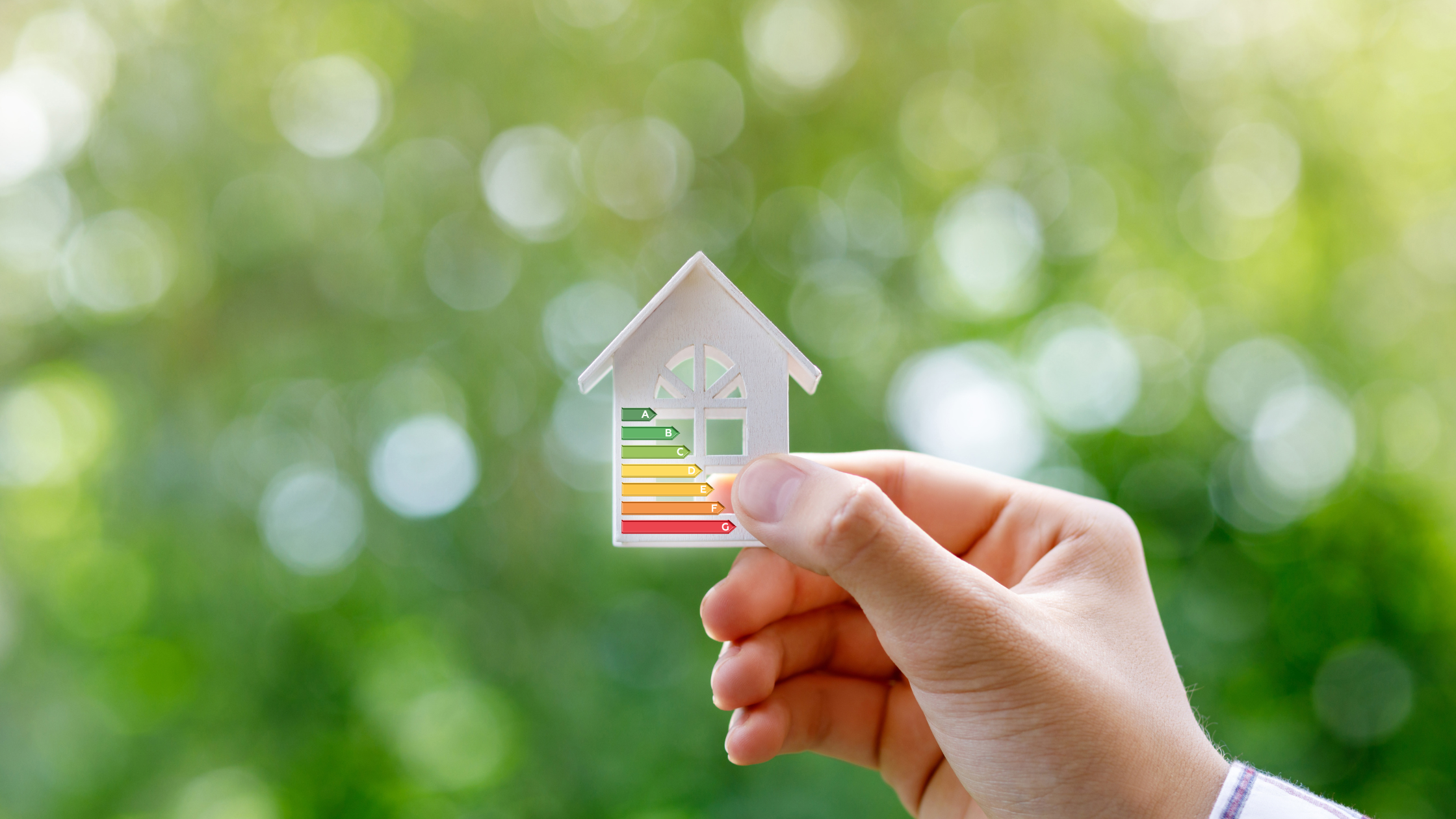 1. Energy Efficiency: One of the cornerstones of sustainable home construction is energy efficiency. Builders are incorporating advanced insulation, high-performance windows, and efficient heating, ventilation, and air conditioning (HVAC) systems to minimize energy consumption. Additionally, many new homes feature renewable energy sources such as solar panels, wind turbines, or geothermal heating and cooling systems, further reducing reliance on fossil fuels.
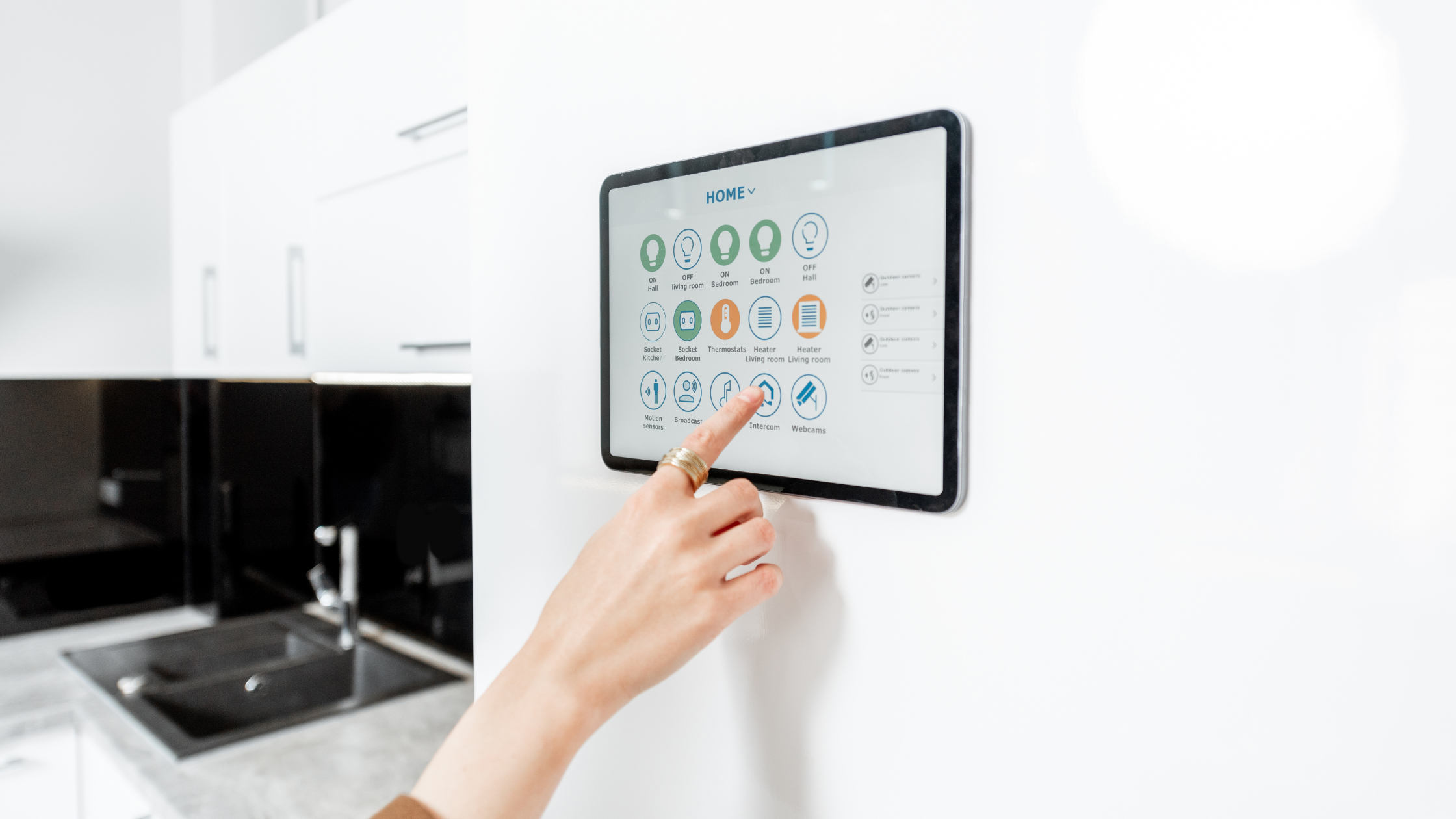 2. Smart Technologies: Smart technology integration is completely changing how we control how much energy we use in our houses. With the touch of a button or a straightforward voice command, homeowners can maximize energy efficiency and minimize waste with everything from smart appliances and home automation systems to programmable thermostats and lighting controls.
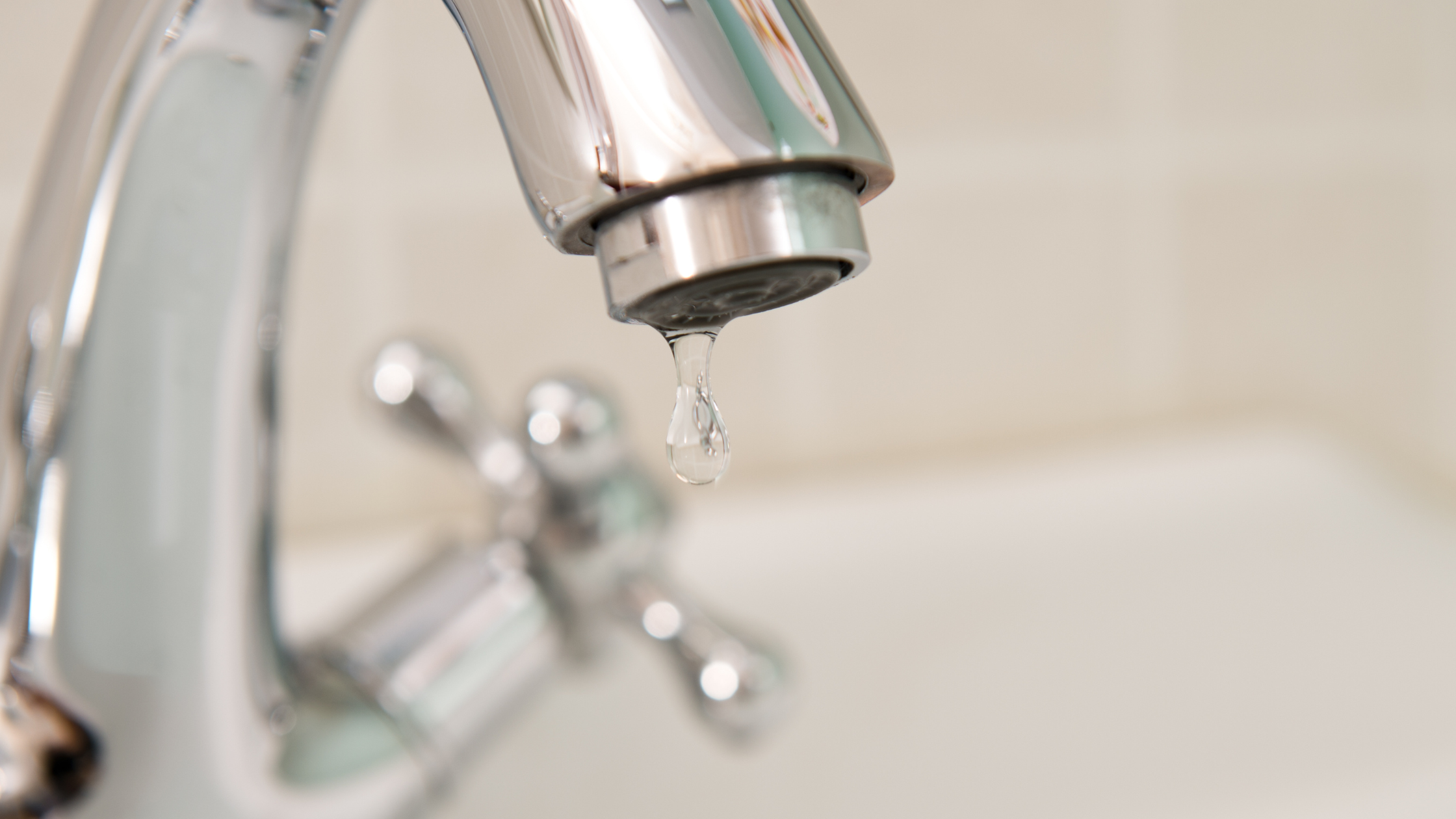 3. Water Conservation: A key component of sustainable home design is water conservation, as water shortage is becoming an increasing concern in many regions of the world. Greywater recycling systems, which repurpose water from sinks, showers, and laundry for irrigation, and low-flow toilets, faucets, and showerheads are common features in new construction homes.
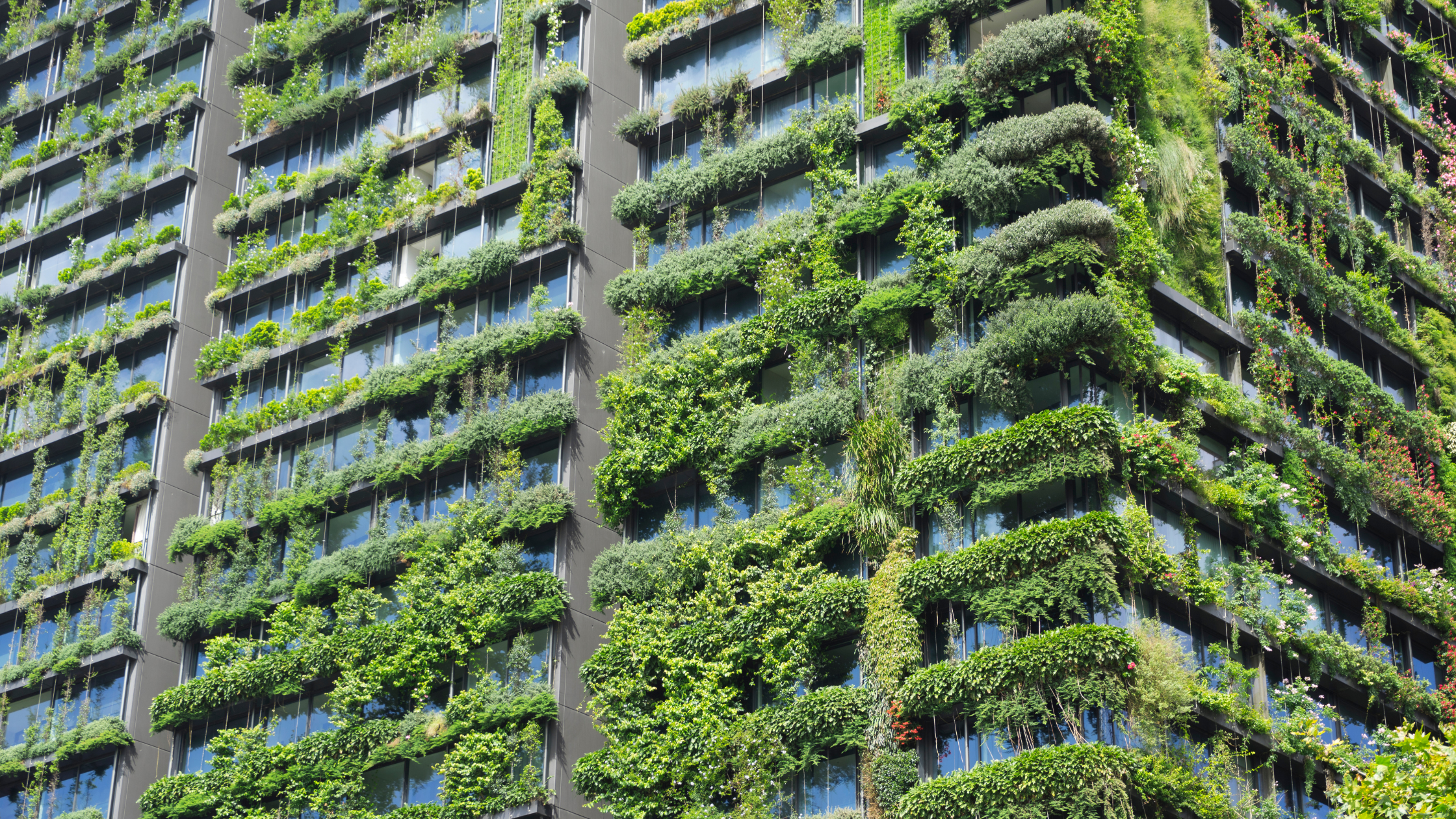 4. Green Building Materials: Traditional construction materials can have a significant environmental impact due to resource extraction, manufacturing processes, and waste generation. To address this issue, many builders are turning to eco-friendly alternatives such as reclaimed wood, bamboo flooring, recycled glass countertops, and low-VOC (volatile organic compound) paints and finishes. These materials not only reduce environmental harm but also contribute to healthier indoor air quality.
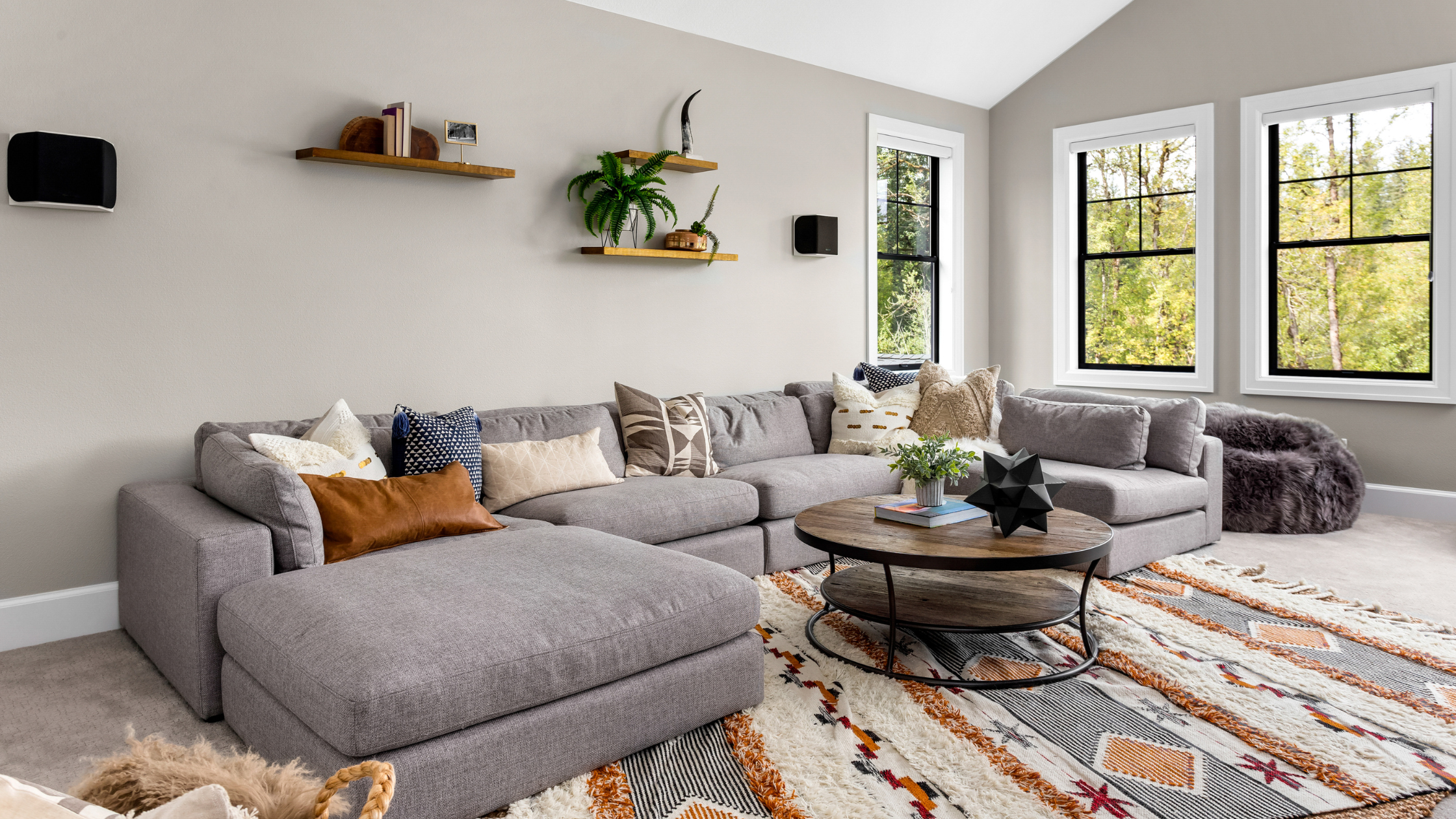 5. Natural Light and Ventilation: In addition to lowering the demand for artificial lighting and mechanical cooling, optimizing natural light and ventilation also improves comfort and well-being in general. In order to maximize natural daylighting and encourage passive ventilation, new construction homes frequently have open floor plans, skylights, clerestory windows, and strategically positioned windows. This helps to reduce dependency on artificial lighting and HVAC systems.
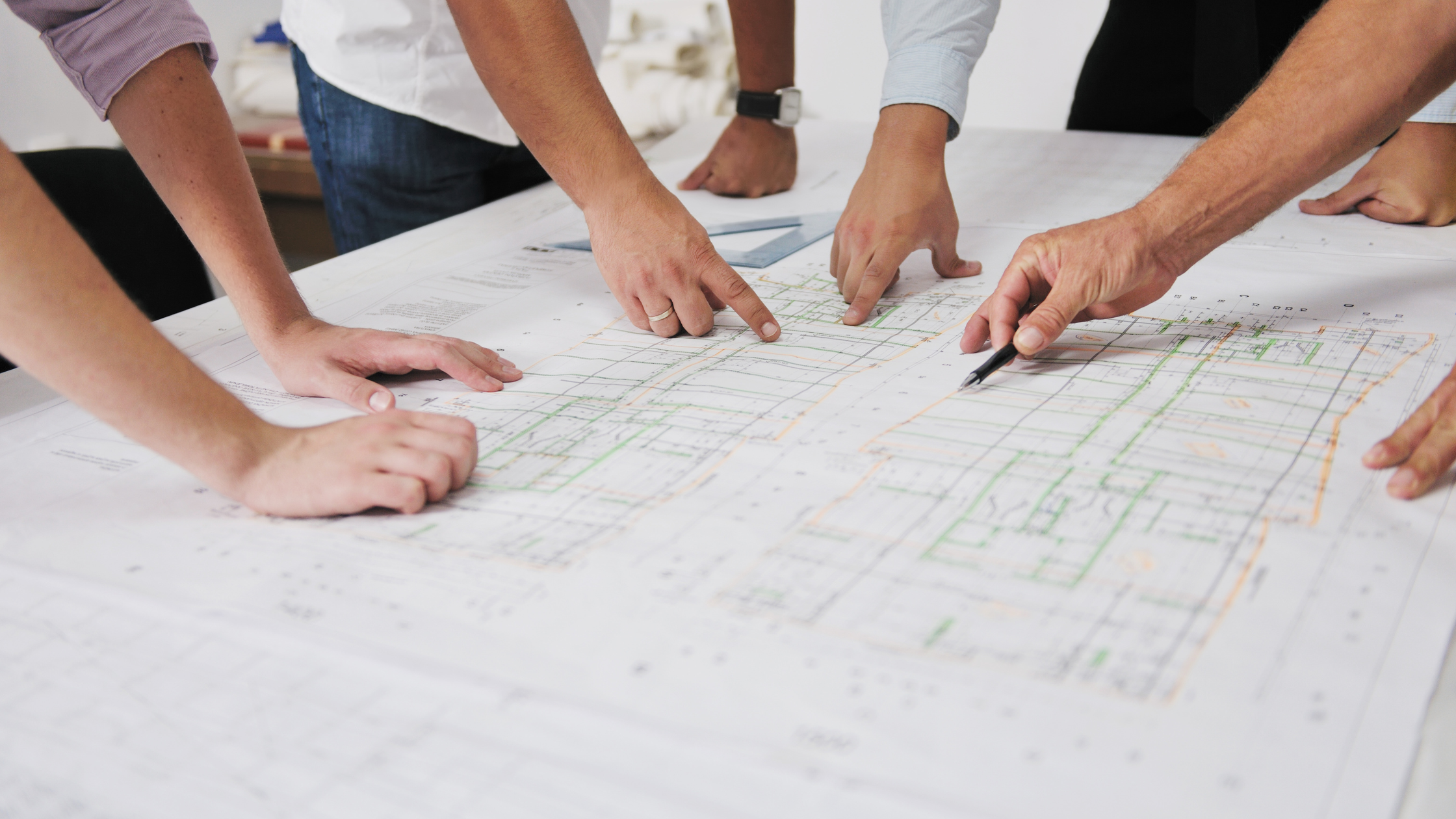 6. Site Planning and Landscaping: Sustainable home design goes beyond the walls of the house itself to encompass the surrounding landscape. Builders are incorporating principles of xeriscaping, rainwater harvesting, and native plant landscaping to minimize water usage, reduce stormwater runoff, and create wildlife-friendly habitats. Additionally, features such as permeable paving, green roofs, and edible gardens further enhance the environmental sustainability of new construction homes.
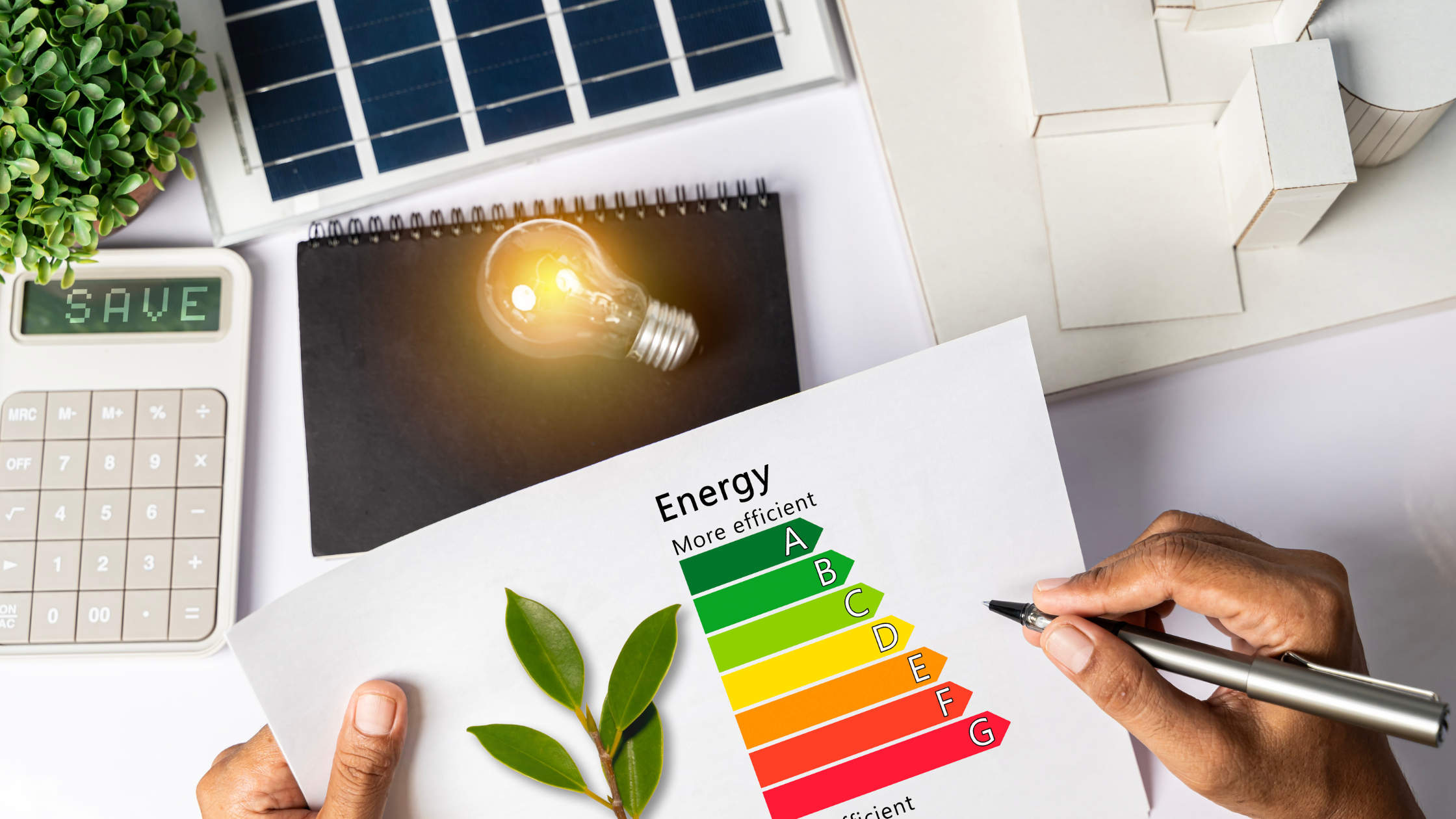 7. Certifications and Standards: There are numerous standards and certifications in place to acknowledge and advance sustainable home building methods. These include, but are not limited to, Energy Star, Passive House, LEED (Leadership in Energy and Environmental Design), and the Living Building Challenge. Homeowners may be sure that their homes fulfill environmental performance standards when builders follow these recommendations, which show their dedication to sustainability.
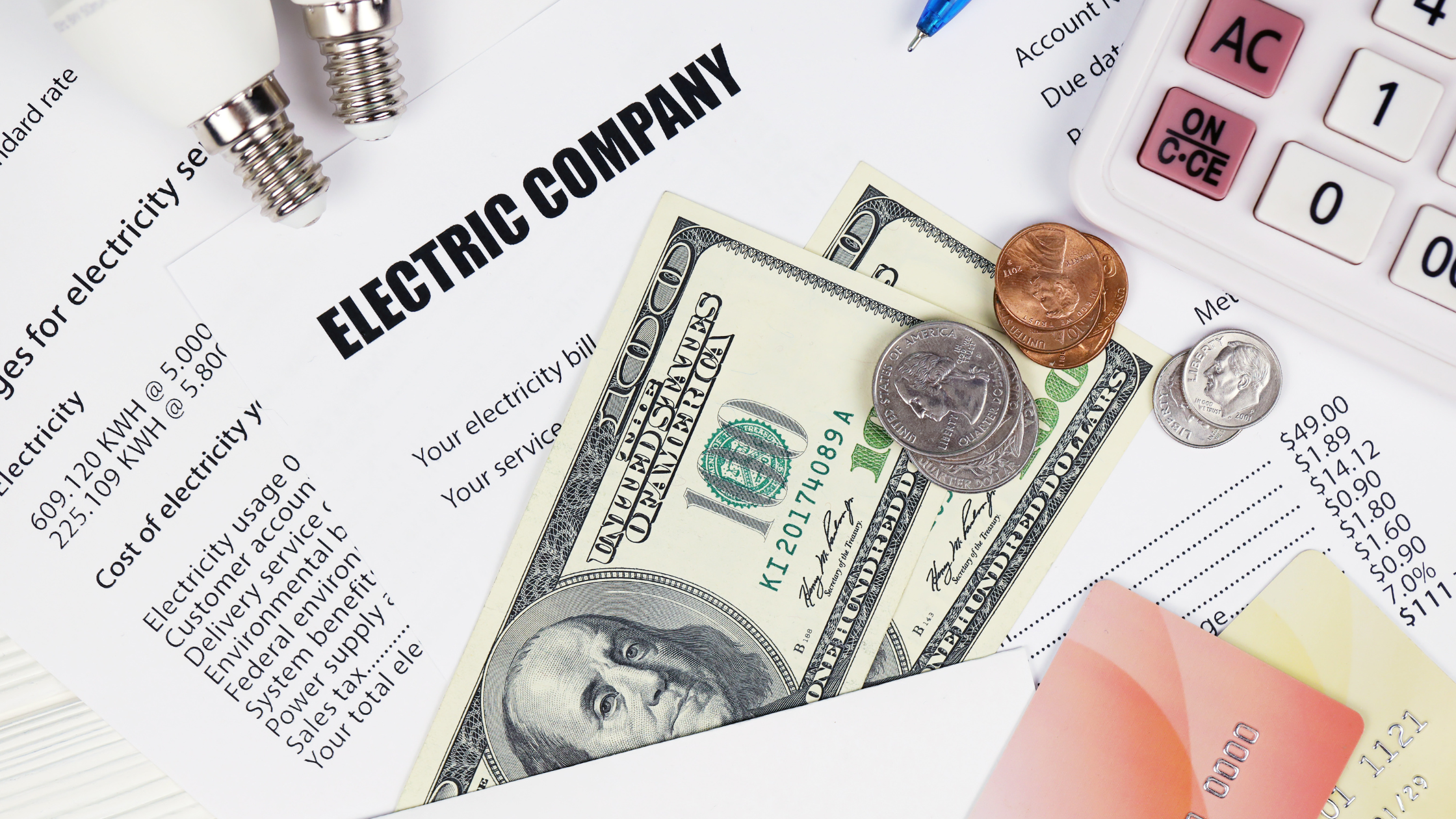 8. Financial Incentives: In addition to their positive effects on the environment, sustainable home features can help save homeowners money in the long run. Water-saving fixtures, renewable energy systems, and energy-efficient appliances can reduce utility costs, while property values and eligibility for tax credits, rebates, and financing choices can rise with green building certifications.
In summary, energy-efficient technologies, environmentally friendly building materials, water-saving strategies, and careful site planning are all being included into new construction homes with the goal of creating healthier, more ecologically conscious living environments. Our carbon footprint can be lowered, natural resources can be preserved, and a more resilient and sustainable built environment can be left for future generations if we prioritize sustainability when building new homes.
Call us if you'd like more information about the Greater Greenville, South Carolina, region market. Feel free to get in touch with our team at 864-438-5050 or visit our website at www.GreenvilleRealEstateHub.com.
 Receive Cash Offer on Your House Today!
Did you know that we have a cash offer platform? It's your gateway to make your home selling process convenient, providing you with opportunities. Don't miss out on the potential it offers – explore our cash offer platform today! Click here to request a cash offer for your home.
:format(webp):quality(80)/u.realgeeks.media/greenvillerehub/header2.png "Team Logo")